BUSINESS ACCOUNTS
Hazardous Substances and Industrial Hygiene
Online Training Certificate Course
From the highest rated and most trusted online training company - since 2008.
This course is offered in partnership with AdvanceOnline, a 360training® company.
Construction workers may encounter hazardous chemicals in many forms such as gases, vapors, dust, fumes, and mists. Substances like lead, mercury, methylenedianiline (MDA), polyvinyl chloride (PVC), and flame retardants can pose serious health risks. Some effects of exposure may be immediate, while others develop over time and can be life-threatening. That’s why understanding industrial hygiene and safe chemical handling is vital to preventing long-term harm.
This online course offers essential training on hazardous substances and industrial hygiene practices in construction, following OSHA regulations for toxic substances. You’ll learn about common chemical hazards on job sites, how they affect your health, and how to protect yourself through proper ventilation, personal protective equipment (PPE), and other control measures.
This course is in partnership with AdvanceOnline. AdvanceOnline and Compliance Training Online™ are divisions of the 360training.
This course is designed for construction workers and other personnel who handle or are exposed to hazardous substances on the job. It’s especially relevant for those working with or around materials like asbestos, solvents, pesticides, and other toxic chemicals commonly found on construction sites.
Case Study: A 40-year-old painter complained that for the past six weeks, he had been experiencing abdominal cramps, nausea, joint pain, and mild mental impairment. He had previously been working on a structure using an industrial blowtorch and sander to remove paint. Some of the walls had 8 to 10 coats of paint and some were clearly very old. Although he had a new respirator, he did not wear it when other workmen were burning off or sanding in other rooms on the same floor. Additionally, he ate, drank, and smoked cigarettes in the same building. No measurements of atmospheric lead concentrations were made.Investigation by the patient's general practitioner showed a blood lead of 4.18 µmol l−1. He was treated and fully recovered.
Key Takeaway: An initial assessment should have been conducted to determine if lead was found in the paint. This would have established the need for respirator use and additional exposure controls. Work site procedures should have been in place to separate break areas from the contaminated work area.

Governing Regulations
Construction workers may encounter hazardous chemicals in many forms such as gases, vapors, dust, fumes, and mists. Substances like lead, mercury, methylenedianiline (MDA), polyvinyl chloride (PVC), and flame retardants can pose serious health risks. Some effects of exposure may be immediate, while others develop over time and can be life-threatening. That’s why understanding industrial hygiene and safe chemical handling is vital to preventing long-term harm.
The Occupational Safety and Health Administration (OSHA), established under the Occupational Safety and Health Act of 1970, enforces worker safety standards published in Title 29 of the Code of Federal Regulations. This course focuses on toxic substance regulations within 29 CFR Part 1926 for construction.
Key governing regulations include:
- 29 CFR 1926.55 – Gases, Vapors, Fumes, Dusts, and Mists
- 29 CFR 1926.57 – Ventilation
- 29 CFR 1926.59 – Hazard Communication
- 29 CFR 1926.60 – Methylenedianiline
- 29 CFR 1926.62 – Lead
- 29 CFR 1926.64 – Process Safety Management of Highly Hazardous Chemicals
- 29 CFR 1926 Subpart Z – Toxic and Hazardous Substances
What You'll Learn
Topics Covered
- Exposure to Toxic Substances
- Effects and Exposure
Learning Objectives
By the end of this course, you will be able to:
- Understand the OSH Act, the functions and resources of OSHA
- Become aware of the OSHA inspection priorities and describe the inspection process
- Know the rights and responsibilities of employers and employees under the OSH Act
- Learn the major hazards associated with general industry work and how to avoid, protect or control them. This includes:
- Slips, trips, falls associated with walking and working surfaces
- Effective Egress and fire protection program
- Outline the general requirements for general safety standards
- Flammable and combustible liquids and gasses
- Hazards of chemicals
- Electrical hazards
- Understand the value of personal protective equipment, usage and limitations
- Learn the basic elements of a safety and health program
Most of our courses take about two (2) hours to complete. If a final exam is included, you should plan for an additional 30 minutes. Courses that require additional training time will clearly state that in the course title or description.
You’ll have unlimited access during your enrollment or access period. Most CTO courses must be completed within 90 days of purchase. OSHA-authorized Outreach Training provides up to 180 days to finish the course and required survey. Timeframes vary depending on the specific course and regulatory requirements. Please refer to our Terms & Conditions for more details.
Because our courses are self-paced, you can log in and out as needed and complete your training on a schedule that works best for you.
Employers are responsible for training new personnel before assigning them to tasks that may expose them to chemical hazards and toxic substances. Annual safety training ensures that employees have the necessary knowledge and skills to perform work safely. According to 29 CFR 1926.59, Hazard Communication, employees must receive information and training on hazardous chemicals at the time of their initial assignment and whenever a new chemical hazard is introduced to the work area. This online chemical hazards and toxic substances training meets these initial and refresher training recommendations.
NFPA 70E (2024): Standard for Electrical Safety in the Workplace
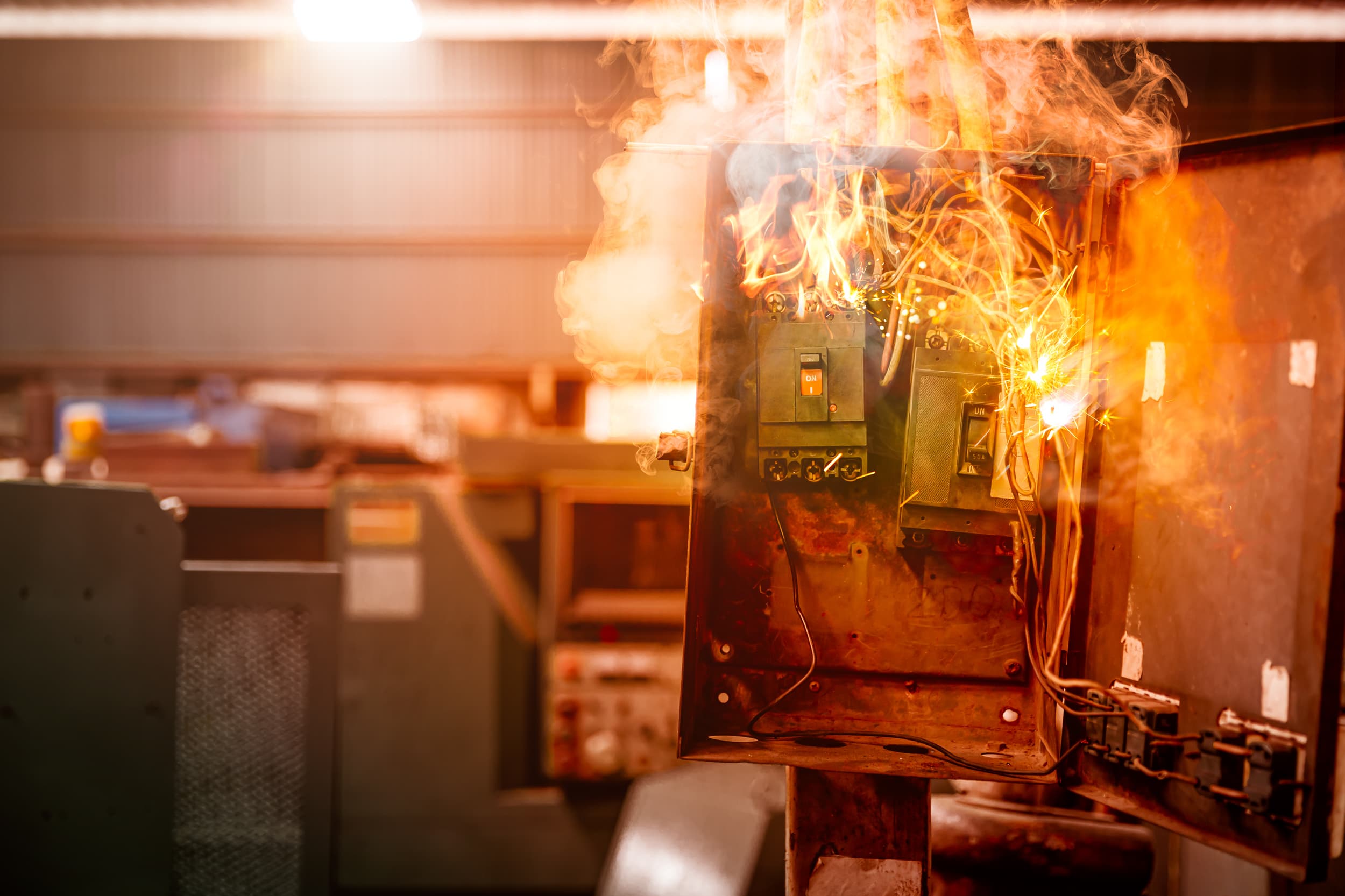
This course presents an overview of measures to reduce hazards presented by arc flash events. It will cover basic electrical concepts, circumstances that can present the risk of arc flashes...
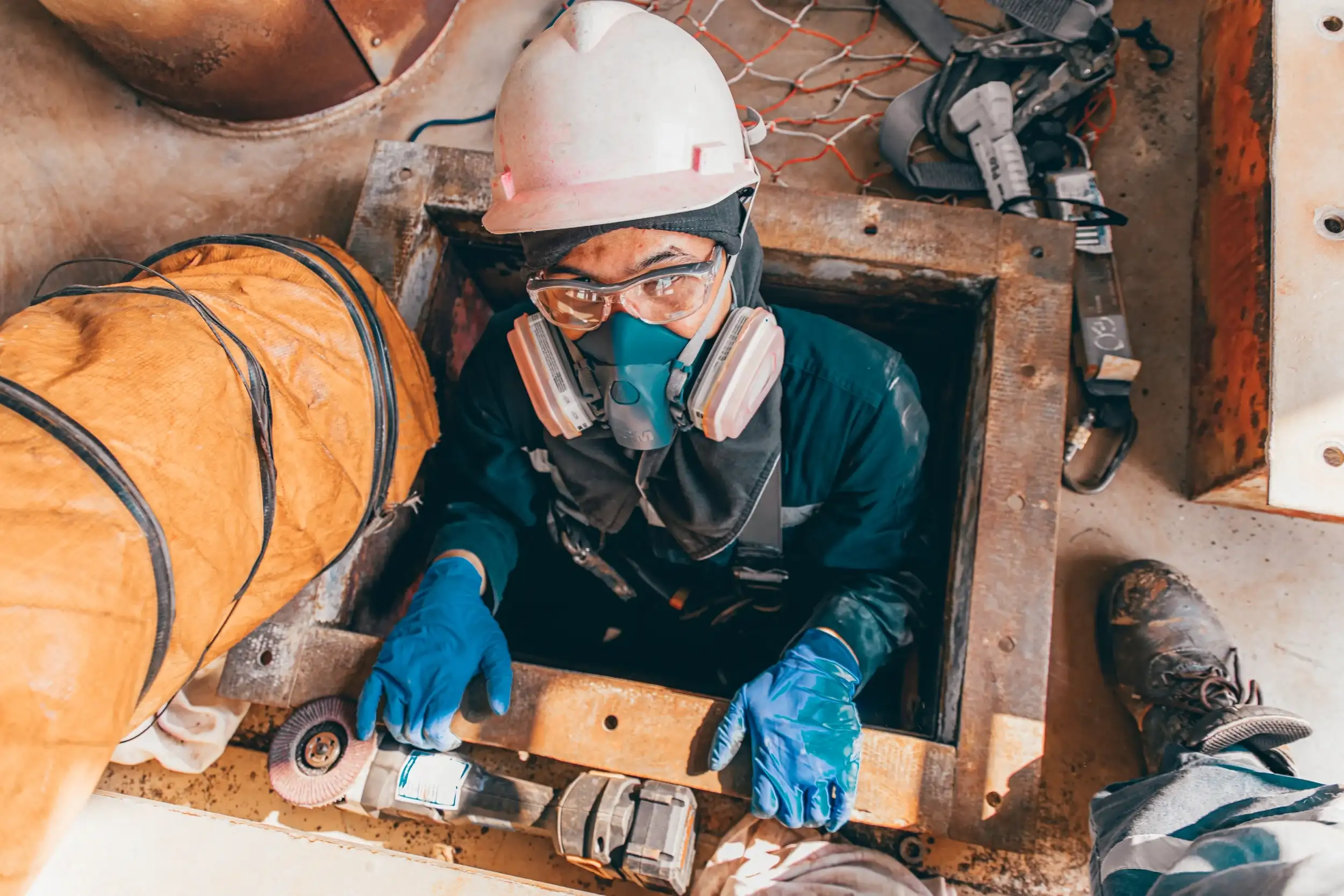
Confined Space Training Online | OSHA-Aligned
Meet OSHA safety standards with our confined space training. Learn regulations for entrants, attendants & supervisors. Enroll now!
Sit Down Forklift Online Safety Training
This course will familiarize you with the regulations, responsibilities, and best practices as outlined in the CFR1910.178(a) requirements for forklift operators and forklift maintenance.