BUSINESS ACCOUNTS
Heat & Cold Stress Online Training
Online Training Certificate Course
From the highest rated and most trusted online training company - since 2008.
This course is offered in partnership with Hard Hat Training, a 360training® company.
This heat stress safety course highlights the risks associated with working in extreme temperatures. It details best practices that employers and workers can use to prevent heat stress and illness, including pre-work preparations, use of personal protective equipment (PPE), and first-response measures to take in the event a worker suffers heat stress or heat-induced illness.
A variety of occupations either directly or indirectly expose workers to heat and high temperatures. Exposure can occur in hot, humid outdoor environments, as well as indoor operations that involve high degrees of physical activity, heat radiation, or direct contact with high-heat objects or machinery. Employers must protect workers from heat stress, which can cause illness, injury, and death. Heat safety training is critical to worksite safety.
This course is in partnership with Hard Hat Training. Hard Hat Training and Compliance Training Online™ are divisions of the 360training.
This course is for:
The potential for heat- and fatigue-related hazards exist in nearly every work environment. This heat stress prevention course is designed for anyone who works in extreme temperatures, such as tasks performed in high temperature and humid conditions, direct sun exposure, heavy physical labor, or while wearing waterproof clothing. This heat stress safety training may help prevent serious injury in the workplace and save lives.
This online certification course meets the requirements set forth by OSHA for heat stress prevention and heat injury safety.
Case Study: On July 19, 2012, an employee was working as a concrete pourer for his uncle's concrete company. He was pouring and laying concrete from July 16, 2012, through July 18, 2012. He was not feeling well. He appeared dizzy, and he went to sit down. Neighbors called emergency medical services.
The emergency medical service report stated that his body temperature was 107° Fahrenheit. He was treated with IV fluid hydration and cool fluids, along with intubation. Resuscitative efforts continued.
He was transferred to the ICU, where he suffered multiple organ failure and died. According to the medical examiner's report, the probable cause of death was multisystem organ failure, hyperthermia, and rhabdomyolysis.
Key takeaway: Exposure to prolonged high-heat temperatures, lack of additional workforce, and no supervisor monitoring his physiological condition contributed to the worker's preventable death.

Governing Regulations
The Occupational Safety and Health Act of 1970 created the Occupational Safety and Health Administration (OSHA). OSHA, an agency of the U.S. Department of Labor, is charged with the enforcement of safety and health conditions of workers through the use of regulations published in the Code of Federal Regulations. OSHA regulations are published in Title 29 of the Code of Federal Regulations. Part 1910 addresses general industry standards, while Part 1926 is designated for construction industry standards.
What You'll Learn
Introduction to Heat Stress Safety
- How Does the Body React to Heat?
- What Is Heat Stress?
- Heat Stress Statistics in the Work Place
- Heat-Related Illnesses and Conditions
- Hyperthermia
Heat Index
- Effects of the Heat Index
- Protective Measures
- Risk Levels
Heat Stress Environments
- Environmental (Outdoor) Stress Factors
- Direct Sunlight and Daytime
- Job-Specific (Indoor) Heat Stress Factors
Heat Stress Prevention: Employer Responsibilities
- Employer Responsibilities
- Employer Responsibilities and Controls for Indoor Workplaces
- Employer Training Responsibilities
Heat Stress Prevention: Environmental Controls
- Acclimatization and Prevention Measures
- Acclimatization Steps
- Estimating Work Rates and Loads
- Work and Rest Schedules
- Fluid Replacement and Recovery Areas
- Fluid Types
Heat Stress Prevention: Worker Precautions
- Employee Responsibilities
- Personal Protective Equipment
First Aid and Emergency Response Measures for Heat Stress
- Emergency Preparedness
- Employer Checklist
Summary
Additional Resources
Exam
Most of our courses take about two (2) hours to complete. If a final exam is included, you should plan for an additional 30 minutes. Courses that require additional training time will clearly state that in the course title or description.
You’ll have unlimited access during your enrollment or access period. Most CTO courses must be completed within 90 days of purchase. OSHA-authorized Outreach Training provides up to 180 days to finish the course and required survey. Timeframes vary depending on the specific course and regulatory requirements. Please refer to our Terms & Conditions for more details.
Because our courses are self-paced, you can log in and out as needed and complete your training on a schedule that works best for you.
Employers are responsible for training new personnel before assigning them to tasks that may expose them to hazards such as high outdoor temperatures and humidity or low-circulation indoor locations.
To ensure compliance with the OSHA heat stress standard, safety training must be conducted whenever it is necessary to ensure safe working conditions. OSHA heat stress standards do not specify a time frame for required retraining. However, the OSH Act general duty clause defines that each employer must ensure that worksites are free from recognized hazards, such as heat stress, illness, and injury. This OSHA heat safety course meets these training requirements.
NFPA 70E (2024): Standard for Electrical Safety in the Workplace
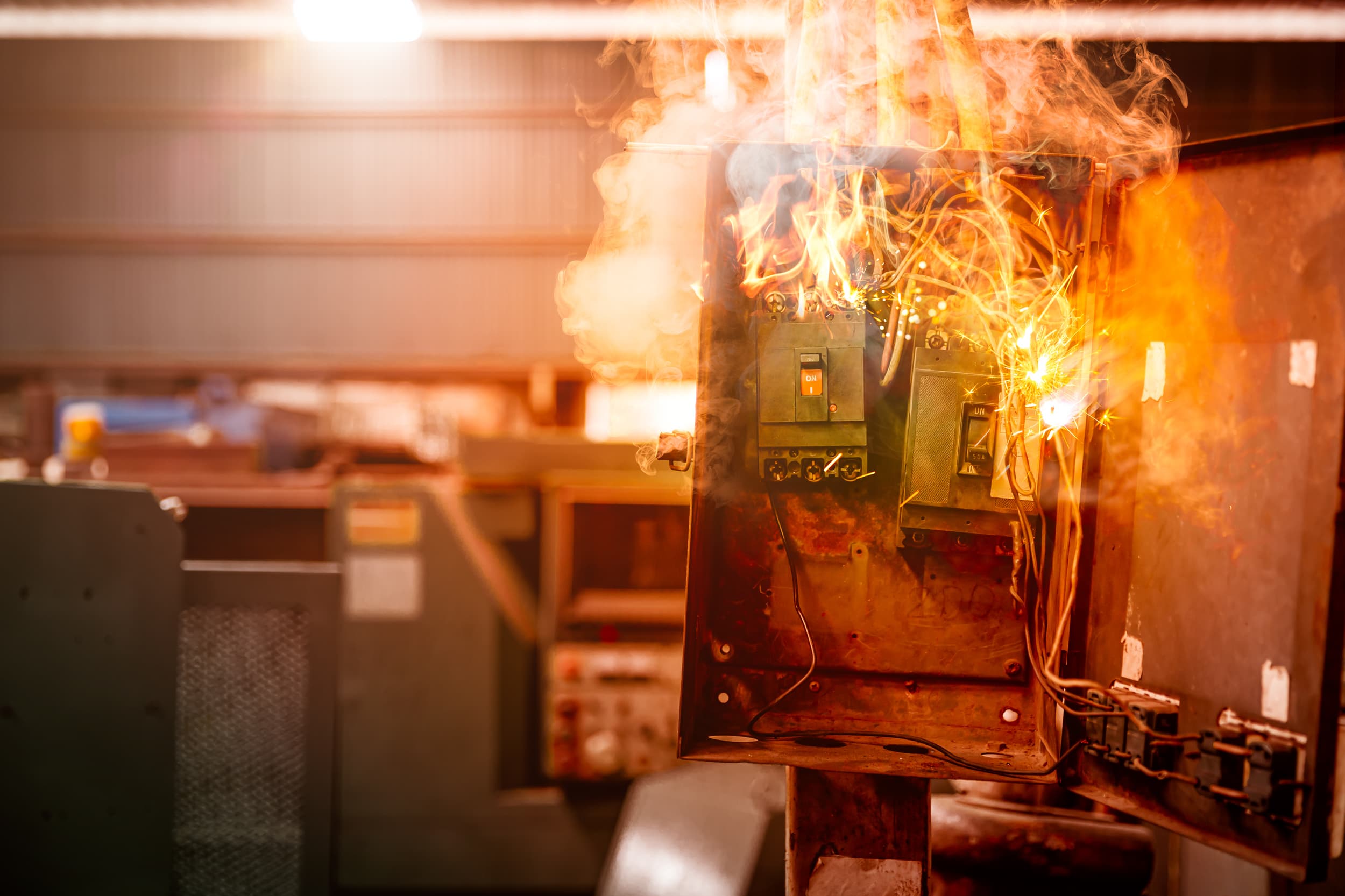
This course presents an overview of measures to reduce hazards presented by arc flash events. It will cover basic electrical concepts, circumstances that can present the risk of arc flashes...
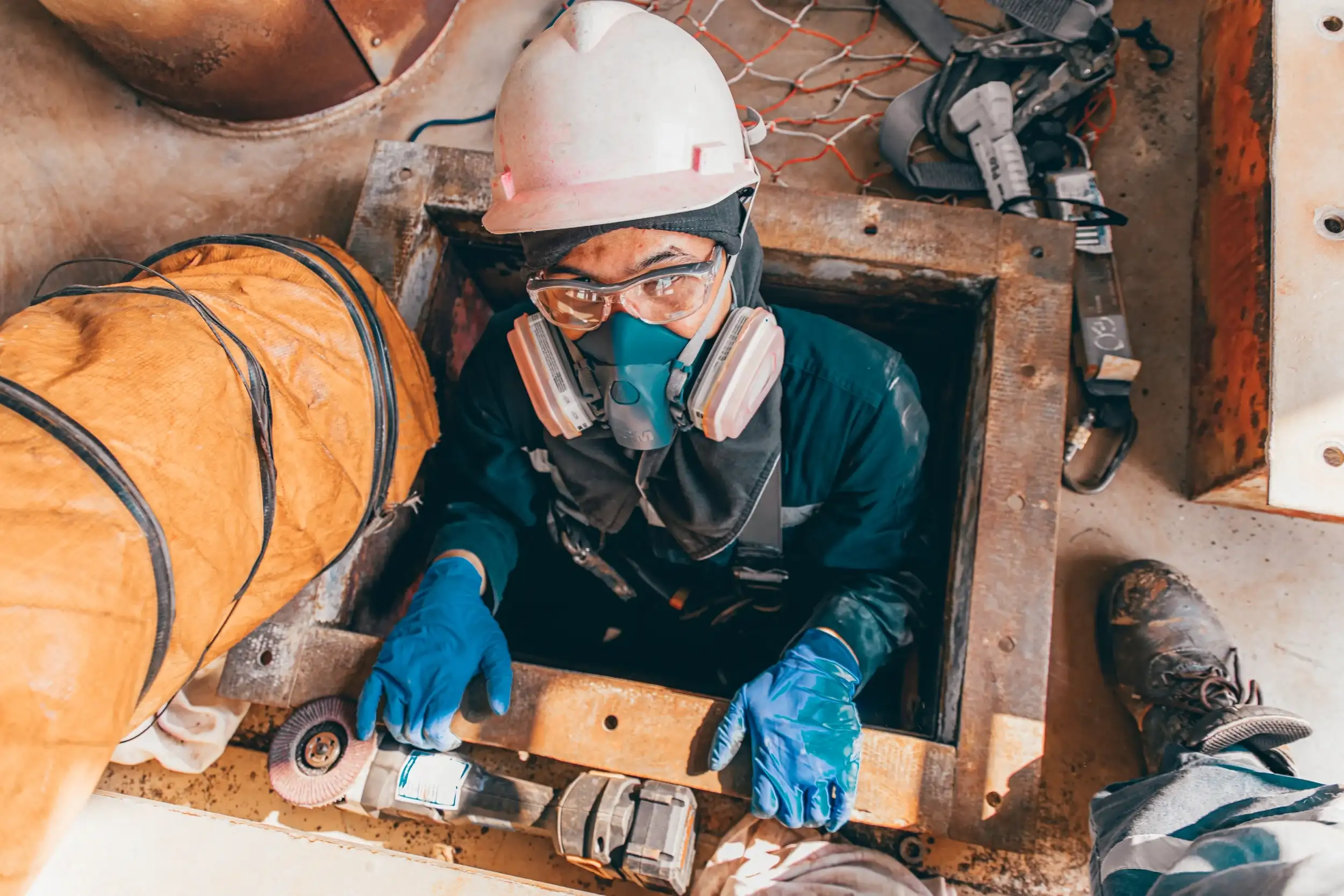
Confined Space Training Online | OSHA-Aligned
Meet OSHA safety standards with our confined space training. Learn regulations for entrants, attendants & supervisors. Enroll now!
Sit Down Forklift Online Safety Training
This course will familiarize you with the regulations, responsibilities, and best practices as outlined in the CFR1910.178(a) requirements for forklift operators and forklift maintenance.