BUSINESS ACCOUNTS
Scaffolding Online Training
Online Training Certificate Course
29 CFR 1926.450 Subpart L
From the highest rated and most trusted online training company - since 2008.
This course is offered in partnership with Hard Hat Training, a 360training® company.
This OSHA scaffold online training course details applicable regulations, specific requirements for different types of scaffolds, and the risks associated with working on these temporary structures. Course content also includes hazard identification, control, and best practices for safe working conditions.
An estimated 65 percent of construction industry workers (around 2.3 million people) work on construction scaffolding. Both scaffold assemblers and workers must complete safety training to minimize the risk of injury or death when working on a scaffold.
This course is in partnership with Hard Hat Training. Hard Hat Training and Compliance Training Online™ are divisions of the 360training.
This course is for:
This OSHA scaffolding certification course is designed for anyone who works on or around scaffolds, including personnel involved in assembling, disassembling, moving, operating, repairing, maintaining, and/or inspecting scaffolds. Safety training may help prevent serious injury in the workplace and save lives. This online certification course meets the requirements set forth by OSHA for construction scaffolding training.
Case Study: Falling Object Hazard. In June 2017, Employee no. 1 and Coworker no. 1, employed by a construction subcontractor in Torrance, California, were constructing a cinder block addition to an existing building. Employee no. 1 was pushing a wheelbarrow and cleaning the area under and around the scaffold. Coworker no. 1 was working on the scaffold. Coworker no. 1 knocked a cinder block from a pallet on the scaffold. The cinder block, which weighed approximately 30 pounds, fell 20 feet, struck Employee no. 1's head, and broke upon impact. Employee no. 1 lost consciousness, and a scalp laceration caused significant blood loss. Emergency services were called, and Employee no. 1 was transported to the hospital, where he subsequently died from the severity of his injury.

Governing Regulations
The Occupational Safety and Health Act of 1970 created the Occupational Safety and Health Administration (OSHA). OSHA, an agency of the U.S. Department of Labor, is charged with the enforcement of safety and health conditions of workers through the use of regulations published in the Code of Federal Regulations. OSHA regulations are published in Title 29 of the Code of Federal Regulations. Part 1926 is designated for construction industry standards, which includes 1926 Subpart L, safety standards for scaffolds used in the construction industry.
What You'll Learn
Introduction to OSHA Construction Scaffolding Safety Training
- Regulations Governing Scaffolds
- Key Terms and Definitions
Scaffold Platform Construction
- Platform Coatings and Finishes
- No Mixing of Dissimilar Scaffold Parts
Supported Scaffold Bracing
- Supported Scaffold Foundations
- Importance of Base Plates
- Importance of Bracing
- Removal of Bracing
- Manufacturer Specifications for Bracing
- Difference Between Scaffolding and Shoring
- Inspection of Welded Tubular Frame Scaffolding
Suspension Scaffold Support Devices
- Counterweights for Suspension Scaffolds
- Outrigger Beams for Suspension Scaffolds
- Suspension Scaffold Ropes
- Wire Suspension Scaffold Ropes
- Inspection of Suspension Scaffolding
- Suspension Rope Inspection
- Suspension Scaffold Hoists
Safe Access to Scaffolds
- Stairway Access to Scaffolds
- Access for Erectors and Dismantlers
Scaffold Load Capacity
- Clearance Between Scaffolds and Power Lines
- Welding Precautions When Working on Suspension Scaffolds
- More Safety Guidelines for Scaffold Use
Fall Protection Introduction
- Fall Protection Guidelines
- Fall Protection for Scaffold Erectors and Dismantlers
- Personal Fall Arrest System: Connectors
- Personal Fall Arrest Systems: Lifelines
- Personal Fall Arrest Systems: Anchorages
- Personal Fall Arrest Systems: Stopping a Fall
- Personal Fall Arrest Systems: Inspection and Use
- Use of Scaffolds as an Anchorage for Personal Fall Arrest Systems
- The Risks of Getting Distracted
- Non-Mandatory Guidelines for Complying with PFAS Regulations
- Test Methods for Personal Fall Arrest Systems
- Employee Training for Personal Fall Arrest Systems
- Suitable Anchorage Points
- Distance Considerations
Fall Protection: Guardrails
- Falling Object Protection
- Canopies and Toeboards
Scaffold-Specific Safety Requirements
- Pole Scaffolds
- Tube and Coupler Scaffolds
- Fabricated Frame Scaffolds
- Bricklayers' Square Scaffolds
- Horse Scaffolds
- Form Scaffolds and Carpenters' Bracket Scaffolds
- Roof Bracket Scaffolds
- Outrigger Scaffolds
- Pump Jack Scaffolds
- Ladder Jack Scaffolds
- Window Jack Scaffolds
- Crawling Boards (Chicken Ladders)
- Step, Platform, and Trestle Ladder Scaffolds
- Single-Point Adjustable Suspension Scaffolds
- Two-Point Adjustable Suspension Scaffolds
- Multi-Point Adjustable Suspension Scaffolds
- Catenary Scaffolds
- Float (Ship) Scaffolds
- Interior Hung Scaffolds
- Needle Beam Scaffolds
- Multi-Level Suspended Scaffolds
- Mobile Scaffolds
Safety Training for Workers
- Safety Training for Erectors and Inspectors
- Retraining
- The Role of Competent Persons in Scaffold Safety
- The Role of Qualified Persons in Scaffold Safety
- The Role of the Engineer in Scaffold Safety
Non-mandatory Guidance for Fulfilling OSHA Scaffolding Standards
- Appendix A - Scaffold Specifications
- Appendix A - Solid Sawn Wood and Allowable Spans
- Appendix A - Fabricated Planks and Platforms
- Appendix A - Guardrails
Summary
Additional Resources
Exam
Most of our courses take about two (2) hours to complete. If a final exam is included, you should plan for an additional 30 minutes. Courses that require additional training time will clearly state that in the course title or description.
You’ll have unlimited access during your enrollment or access period. Most CTO courses must be completed within 90 days of purchase. OSHA-authorized Outreach Training provides up to 180 days to finish the course and required survey. Timeframes vary depending on the specific course and regulatory requirements. Please refer to our Terms & Conditions for more details.
Because our courses are self-paced, you can log in and out as needed and complete your training on a schedule that works best for you.
Employers are responsible for training new personnel before assigning them to tasks that may expose them to hazards such as scaffolds and other temporary structures.
To ensure compliance with building scaffolding, safety training must be conducted whenever there are changes to the worksite, type of scaffolds, or falling object protections, as well as when the employer believes the employee lacks the necessary skill, understanding, or proficiency to work safely, per OSHA 29 CFR 1926.454. This scaffolding certification course meets these training requirements.
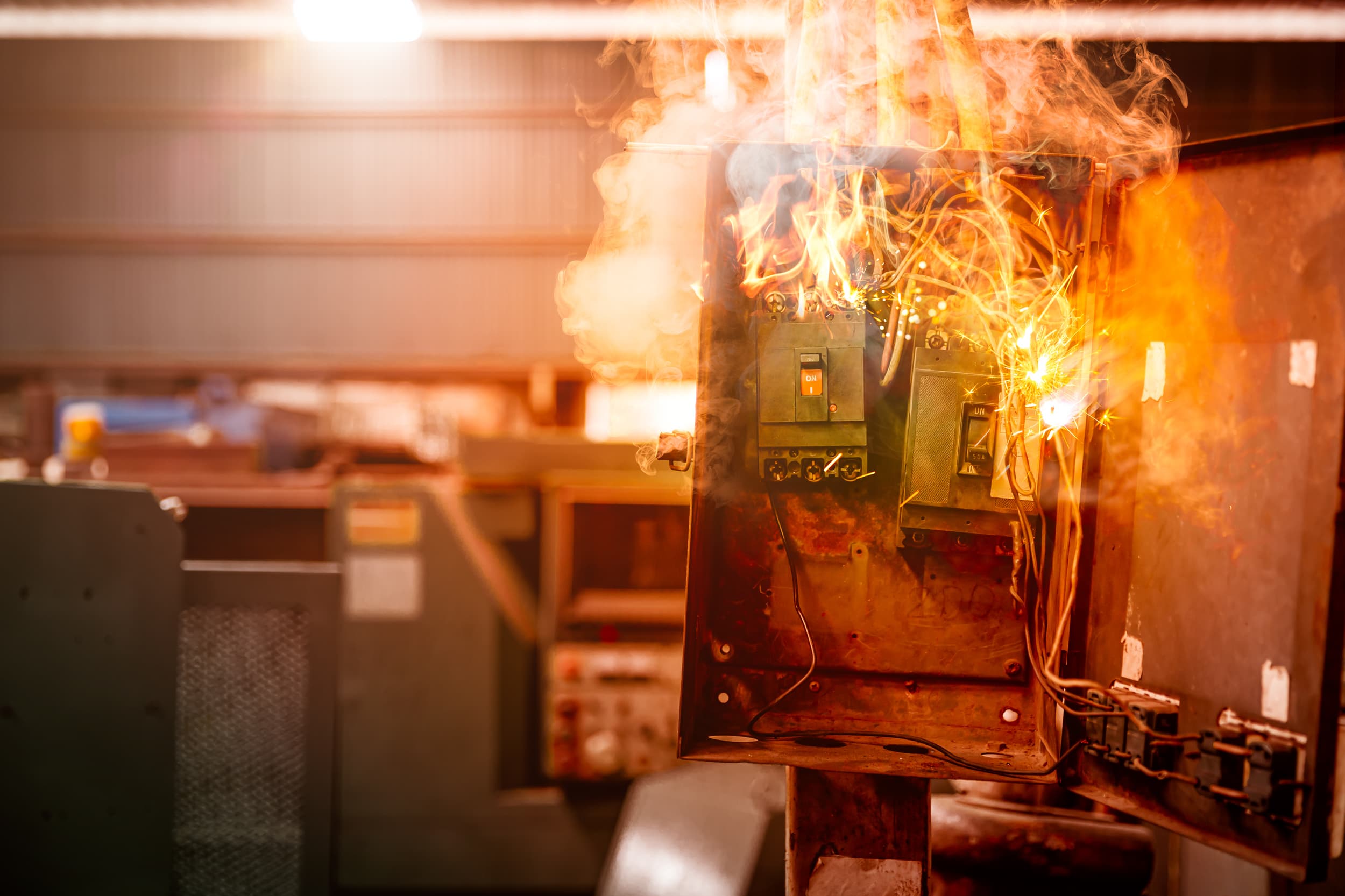
NFPA 70E (2024): Standard for Electrical Safety in the Workplace
This course presents an overview of measures to reduce hazards presented by arc flash events. It will cover basic electrical concepts, circumstances that can present the risk of arc flashes...
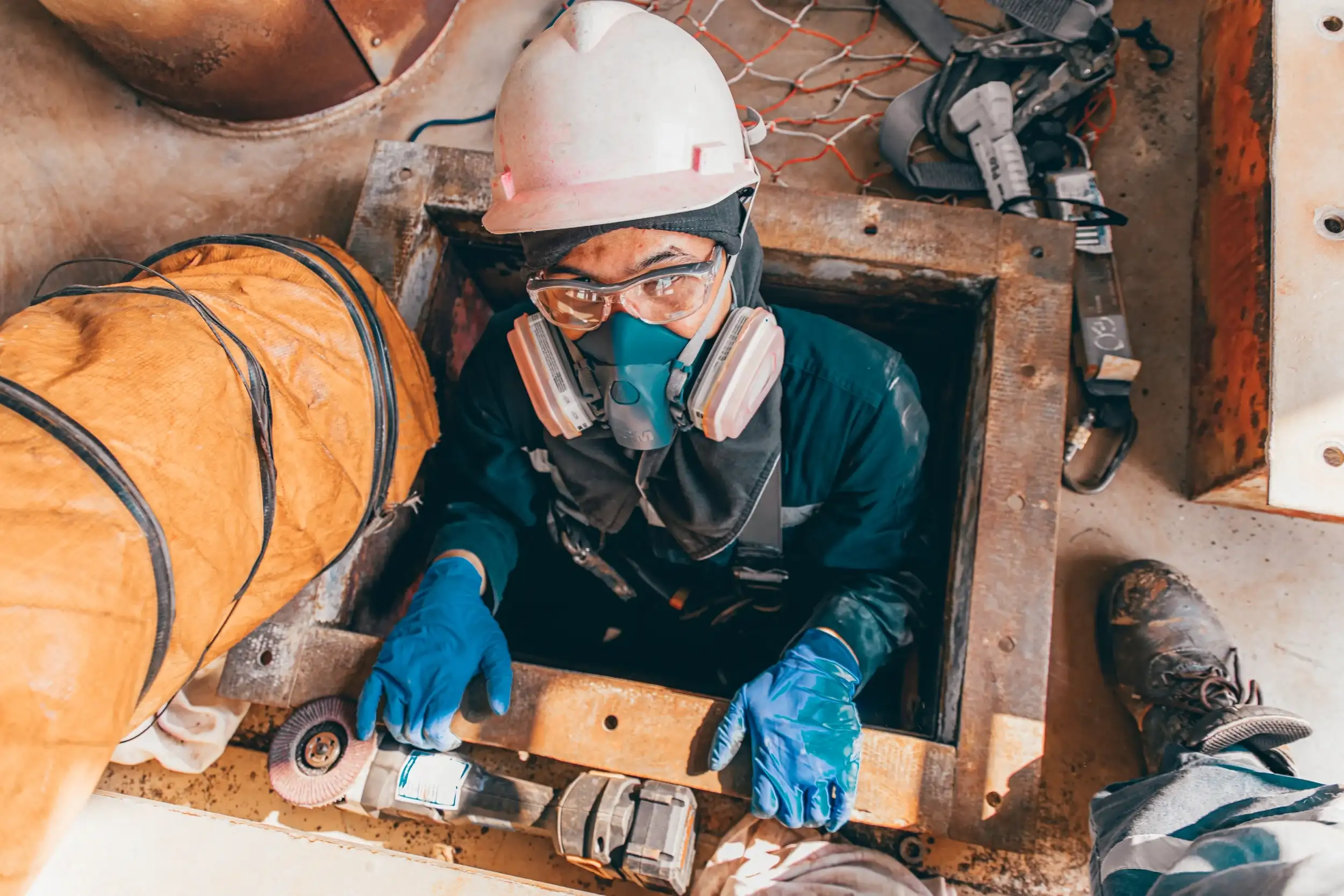
Confined Space Training Online | OSHA-Aligned
Meet OSHA safety standards with our confined space training. Learn regulations for entrants, attendants & supervisors. Enroll now!
Sit Down Forklift Online Safety Training
This course will familiarize you with the regulations, responsibilities, and best practices as outlined in the CFR1910.178(a) requirements for forklift operators and forklift maintenance.