BUSINESS ACCOUNTS
Crane, Derrick & Hoist Safety
Online Training Certificate Course
29 CFR 1910 & 1926
From the highest rated and most trusted online training company - since 2008.
This online certification course details the standards, regulations, and requirements associated with the safe use and operation of different types of lifting equipment. Course topics include hazard identification, general safety guidelines, and the types of equipment regulated under OSHA crane safety standards.
Cranes, derricks, and hoists are used throughout the construction industry to move large, heavy loads. These lifting devices are inherently dangerous due to their massive size and the heavy loads they bear. Derrick, crane, and hoist safety training protects device operators and employees in work zones with lifting equipment.
This course is for:
This online crane training course is designed for anyone who works with cranes, including both workers and supervisors. This safety training may help prevent serious injury in the workplace and save lives.
Case Study: The Bureau of Labor Statistics (BLS) is a branch of the United States Department of Labor. The BLS is a federal agency commissioned with the responsibility of gathering, analyzing, and sharing information that is vital for public and private decision making. The BLS has composed a data sheet of fatal occupational injuries that involve cranes, ranging from 2011 to 2017. This study found that, on average, there were 42 fatalities annually. Of the fatalities in this 7-year analysis:
- 154 resulted from being struck by an object or equipment put into motion by a crane
- 39 resulted from a transportation incident
- 41 resulted from a fall
- 63 have a result of "other"
Key Takeaway: Cranes of all types present life-threatening dangers. Do not underestimate their hazards. This course will help you stay vigilant while working with or around cranes.

Governing Regulations
The Occupational Safety and Health Act of 1970 created the Occupational Safety and Health Administration (OSHA). OSHA, an agency of the U.S. Department of Labor, is charged with the enforcement of safety and health conditions of workers through the use of regulations published in the Code of Federal Regulations. OSHA regulations are published in Title 29 of the Code of Federal Regulations. Part 1910 covers general industry regulations, while 1926 is designated for construction industry standards. Subpart N in both sections of the regulations covers this topic.
What You'll Learn
Introduction to Crane, Derrick, and Hoist Operations
- Regulations Related to Crane, Derrick, and Hoist Operations
- Diagram of General Crane Components
- Key Terms and Definitions
General Safety Guidelines
- Ground Conditions
- Employee and Site Safety Guidelines
- Work Area Control
- Required Clearance
- Safety Devices
- Operational Aids and Alternative Measures
- Category I
- Category II
- Signals
- Types of Signals
- Operator Requirements for Handling, Attaching, and Moving Loads
- Refueling
- Fall Protection
- Personal Fall Arrest and Fall Restraint Systems
- Anchorage
- Types of Inspections
- Operational Testing and Maintenance
- Ropes Inspection
- High Voltage Environments
Operator Certification and Licensing
- Criteria for Certification
- Technical Knowledge
- Requirements for Trainers
- Signal Person Qualifications
Overhead and Gantry Cranes
- General Requirements
- Cabs
- Footwalks, Ladders, and Stairways
- Bumpers and Guards
- Brakes for Hoists
- Brakes for Trolleys and Bridges
- Application of Trolley and Bridge Brakes
- Electrical Requirements
- Controllers
- Resistors, Conductors, and Extension Lamps
- Switches
- Hoisting Equipment
Crawler Locomotive and Truck Cranes
- Load Ratings
- Load Handling Guidelines
- Hoisting and Load Holding Guidelines
- Additional Safety Requirements
Derricks
- Derrick Load Ratings Chart
- Derrick Inspections
- Derrick Testing
- Derrick Maintenance
- Derrick Rope Inspections
- Derrick Load Size
- Derrick Load Holding
- Other Requirements for Derricks
Additional Regulations
- Equipment with High and Low Hoisting/Lifting Capacity
- Additional Regulations for Tower Cranes and Derricks
- Engineer and Manufacturer Requirements for Tower Cranes and Derricks
- Additional Safety Devices and Brakes for Tower Cranes
- Operational Aids for Tower Cranes
- Additional Inspections for Tower Cranes
- Additional Requirements for Floating Cranes/Derricks and Land Cranes/Derricks on Barges
Summary
Additional Resources
Exam
Most of our courses take about two (2) hours to complete. If a final exam is included, you should plan for an additional 30 minutes. Courses that require additional training time will clearly state that in the course title or description.
You’ll have unlimited access during your enrollment or access period. Most CTO courses must be completed within 90 days of purchase. OSHA-authorized Outreach Training provides up to 180 days to finish the course and required survey. Timeframes vary depending on the specific course and regulatory requirements. Please refer to our Terms & Conditions for more details.
Because our courses are self-paced, you can log in and out as needed and complete your training on a schedule that works best for you.
Employers are responsible for training new personnel before assigning them to tasks that may expose them to hazards such as pieces of equipment used to lift heavy loads.
To ensure compliance with OSHA crane and derrick training, safety training must be conducted in relevant topics whenever there is an indication that retraining is necessary. This crane certification course meets these training requirements.
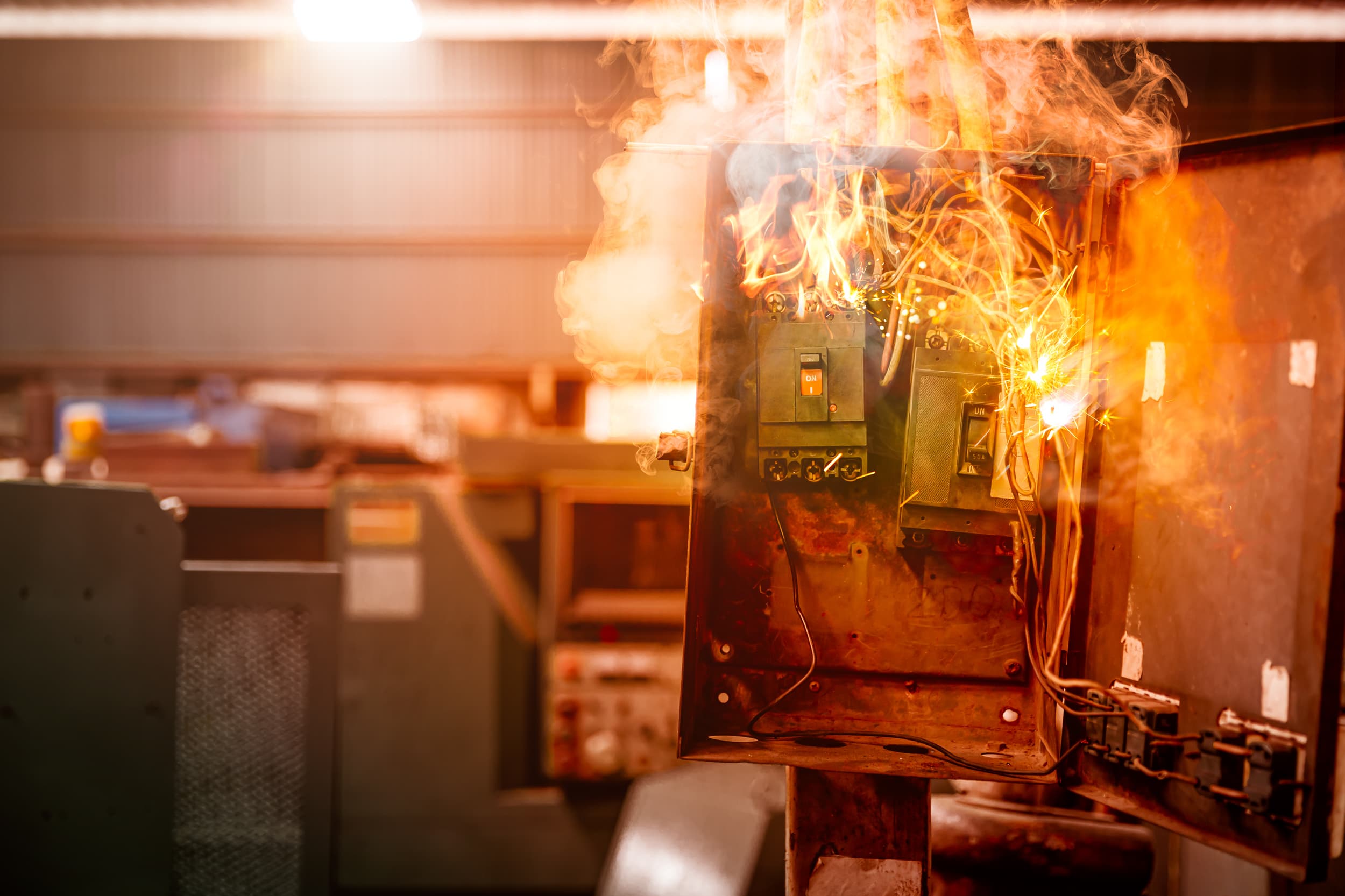
NFPA 70E (2024): Standard for Electrical Safety in the Workplace
This course presents an overview of measures to reduce hazards presented by arc flash events. It will cover basic electrical concepts, circumstances that can present the risk of arc flashes...
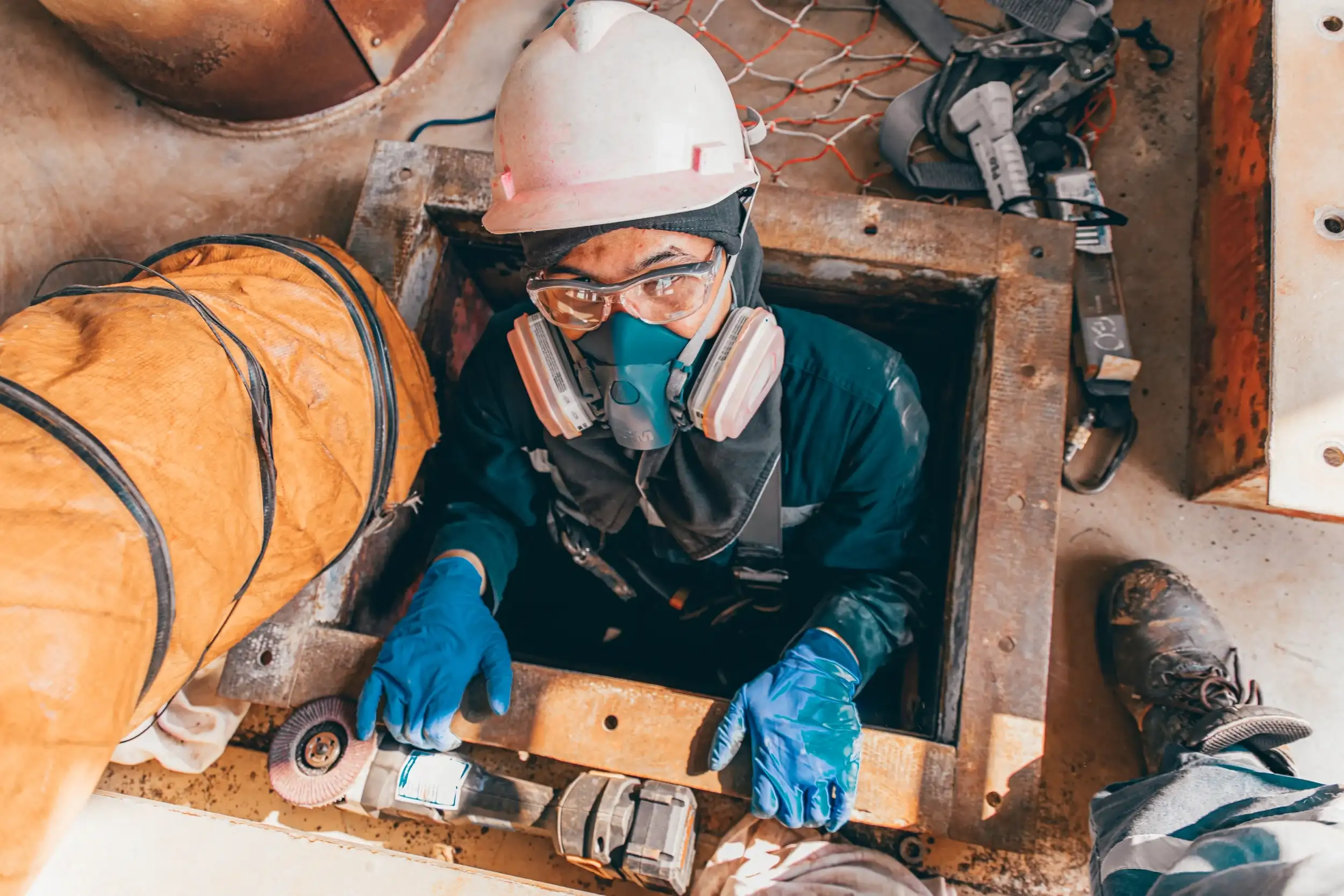
Confined Space Training Online | OSHA-Aligned
Meet OSHA safety standards with our confined space training. Learn regulations for entrants, attendants & supervisors. Enroll now!
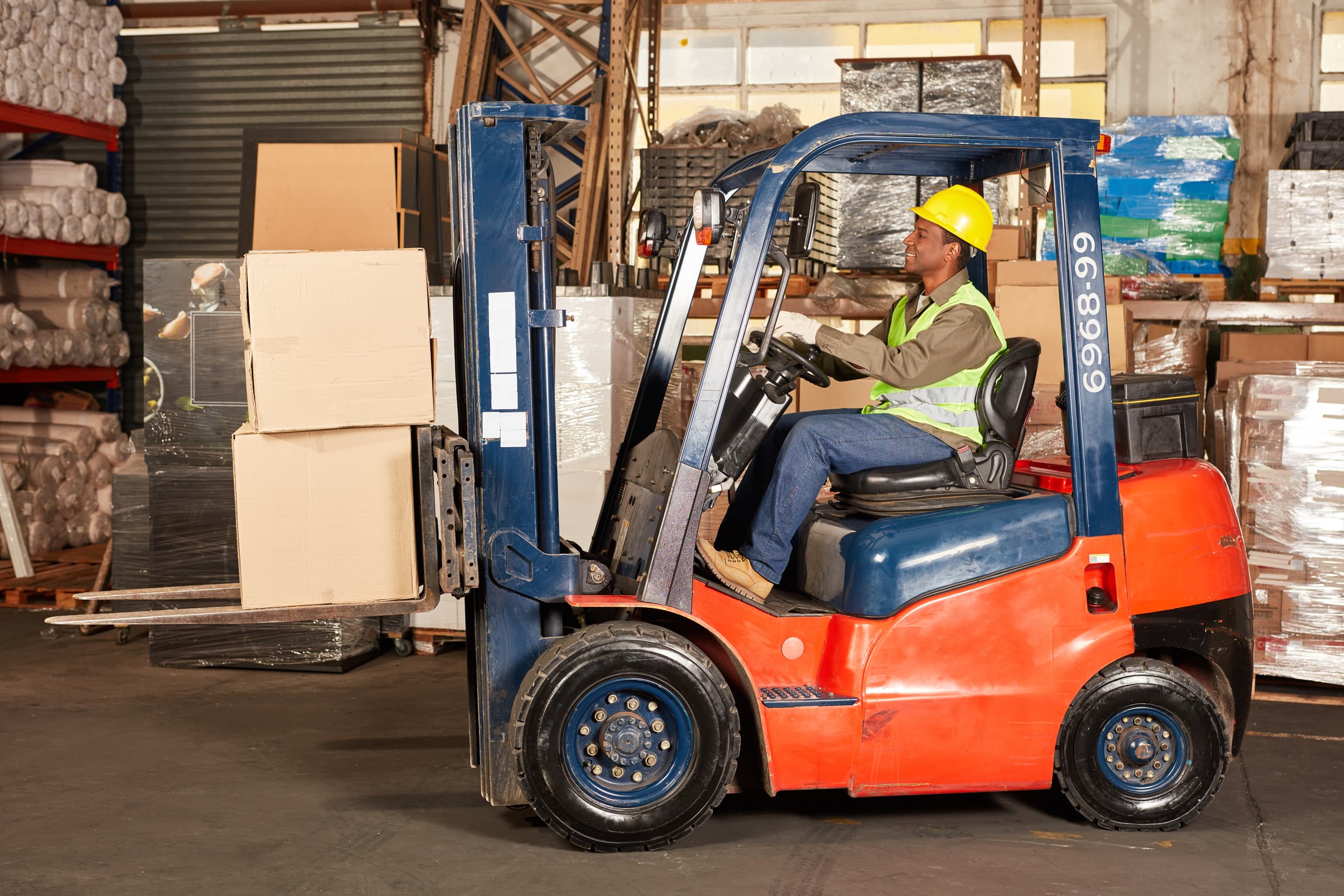
Sit Down Forklift Online Safety Training
This course will familiarize you with the regulations, responsibilities, and best practices as outlined in the CFR1910.178(a) requirements for forklift operators and forklift maintenance.