BUSINESS ACCOUNTS
Handling Medical Hazardous Waste
Online Training Certificate Course
From the highest rated and most trusted online training company - since 2008.
Safety training helps healthcare workers better understand how to safely handle and dispose of biomedical waste. Our online training highlights the best practices and controls needed to minimize risks associated with handling medical waste.
The healthcare industry generates medical waste, including toxic, infectious, and radioactive substances. Sharps, pharmaceuticals, and certain chemicals are also considered medical waste.
Improper medical waste handling and disposal poses a serious threat to employees, the public, and the environment. This online certification course is designed to help you achieve a greater understanding of biohazards that exist in healthcare workplaces, including medical waste.
This course is for:
Anyone exposed to arsenic hazards should participate in arsenic safety training. Arsenic is used in many industrial purposes, from electronics to alloy manufacturing, pharmaceutical substances, construction, pesticides, glass production, and more.
Workers associated with potentially high-risk areas for arsenic exposure should become familiar with safe work practices and procedures that can minimize the risk of illness, poisoning, and fatalities.
Case Study: In 1993 a study investigated medical waste practices used by 225 hospitals in Oregon, Washington, and Idaho. Hospitals were provided a definition of medical waste in the survey, but were asked how they define infectious waste. The question revealed confusion about what qualified as infectious waste versus medical waste, which may explain why almost half of the hospitals surveyed were not segregating general medical waste from infectious waste. The most frequently used practice of treating and disposing of medical waste was the use of private haulers to transport medical waste to treatment facilities. The next most frequently reported techniques were pouring into municipal sewage, depositing in landfills, and autoclaving. Other methods adopted by hospitals included Electro-Thermal-Deactivation (ETD), hydropulping, microwaving, and grinding before pouring into the municipal sewer. Hospitals in Oregon and Washington used microwaving and ETD methods to treat medical waste, while those in Idaho did not. Most hospitals in Oregon and Washington no longer operated their incinerators due to stricter regulations regarding air pollution emissions. Hospitals in Idaho, however, were still operating incinerators because there were no specific state regulations for these types of facilities. The study showed there was no consensus about which agency or organization's definition of infectious waste should be used in a waste management program.
Key Takeaways: To reduce the risks associated with managing medical waste it is critical for healthcare facilities to establish a clear definition for infectious waste and a clear waste management program.

Governing Regulations
Numerous federal agencies have regulations pertaining to medical waste handling. However, medical waste is primarily regulated by state environmental and health departments. It is important to check the legislation in place on a state level to understand the regulations that apply to specific geographic areas.
Federal agencies with regulatory oversight include OSHA, the Centers for Disease Control (CDC), the Department of Transportation (DOT), the EPA, and others. The EPA's Resource Conservation and Recovery Act (RCRA) is the public law that creates the framework for the proper management of hazardous and non-hazardous solid waste. While the EPA does not have specific authority for medical waste, they have regulatory oversight for hospital, medical, and infectious waste incinerators (HMIWI) under Section 129 of the Clean Air Act.
Through its Hazardous Materials Regulations (HMR), the U.S. DOT assigns responsibility to the healthcare employer for properly packaging hazardous materials that are being transported off-site, as well as training each employee involved with packaging medical waste and other biohazards. OSHA's bloodborne pathogens standard (29 CFR 1910.1030) applies to anyone who may come in contact with blood or other potentially infectious biomedical materials in the course of their employment.
What You'll Learn
Introduction to Handling Medical Waste
- Key Terms
- Handling Medical Waste - Overview
- Handling Medical Waste - History and Background
- Handling Medical Waste - Generators
- Statistics for Handling Medical Waste in the Healthcare Industry
- Responsibilities
- Applicable Regulations for Handling Medical Waste
Medical Waste Hazards
- Health Risks Associated with Handling Medical Waste
- Microorganisms
- Radioactive Waste
- Needlestick Injuries
- Poisoning and Pollution
Managing Medical Waste
- Disposal
- Transporting
- Storage
- Treatment
- Incineration
- Thermal Treatment
- Chemical Treatment
- Universal Precautions and Work Practice Controls
- General Clean-Up Guidelines
- Decontamination
Controls
- Procedural Controls
- Exposure Control Plan
- Engineering Controls
- Personal Protective Equipment
Training
Summary
Additional Resources
Exam
Most of our courses take about two (2) hours to complete. If a final exam is included, you should plan for an additional 30 minutes. Courses that require additional training time will clearly state that in the course title or description.
You’ll have unlimited access during your enrollment or access period. Most CTO courses must be completed within 90 days of purchase. OSHA-authorized Outreach Training provides up to 180 days to finish the course and required survey. Timeframes vary depending on the specific course and regulatory requirements. Please refer to our Terms & Conditions for more details.
Because our courses are self-paced, you can log in and out as needed and complete your training on a schedule that works best for you.
According to RCRA, a healthcare facility that generates a small quantity of medical waste must ensure that all employees are familiar with the proper waste handling and emergency procedures relevant to their responsibilities. A facility that generates a large quantity of medical hazardous waste must have a formal personnel training program in place. This program must require initial training and an annual review.
OSHA's bloodborne pathogen standard requires all employees who come in contact with medical waste to undergo annual training on proper handling, labeling, storing, and transporting of such waste.
Each state has unique regulations and training requirements regarding medical waste. It is important to check for local and state regulations to determine the frequency of retraining.
RCRA 8 Hour Refresher
In this refresher course, we will examine some of the federal Resource Conservation and Recovery Act (RCRA) safety standards involving hazardous waste, including its proper storage,...
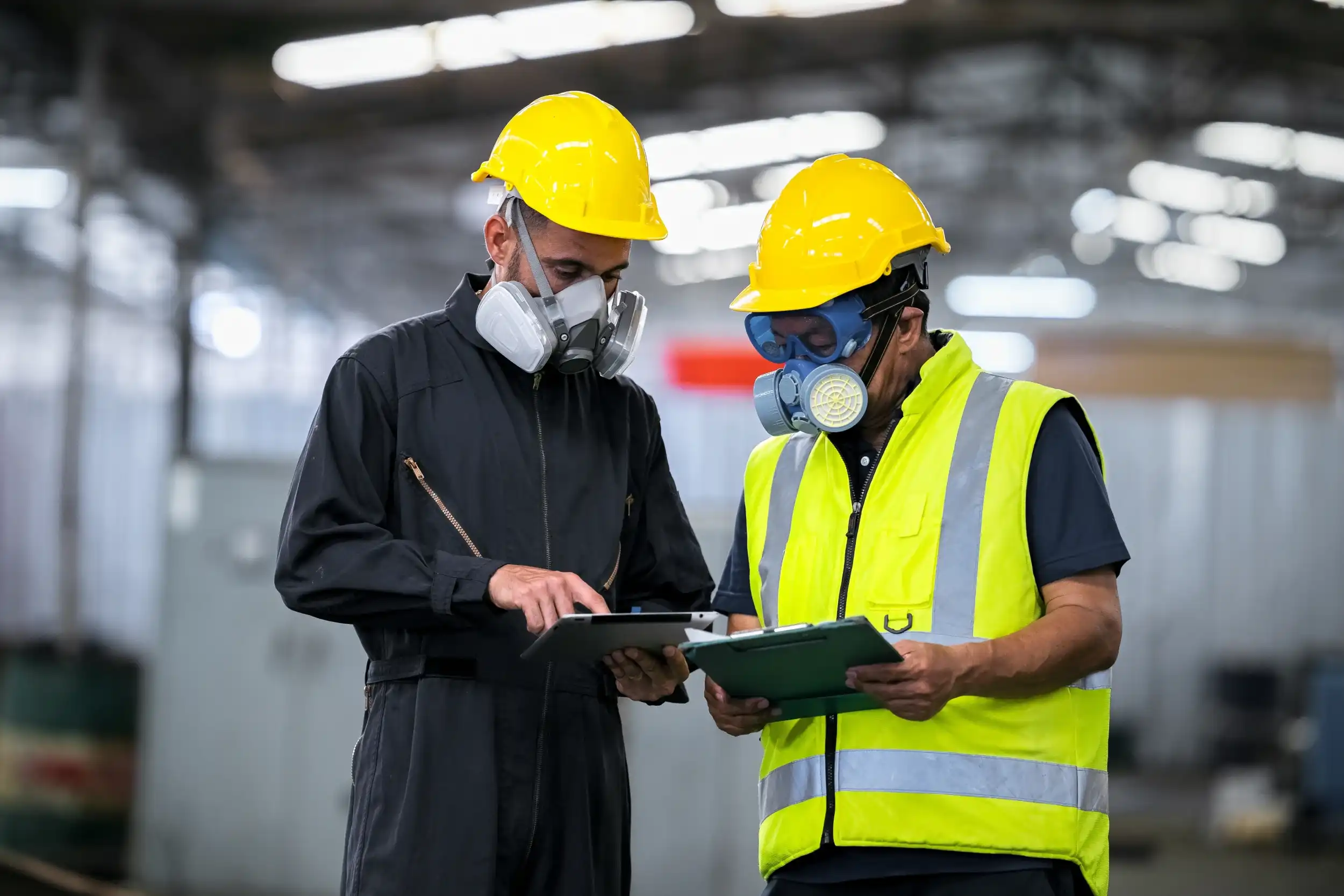
Arsenic Hazards & Safety
This EPA course is designed to help you achieve a general awareness of arsenic and the dangers of arsenic exposure. The course will explore potential sources...