BUSINESS ACCOUNTS
IATA DGR 67th Refresher
Online Training Certificate Course
From the highest rated and most trusted online training company - since 2008.
This online refresher course presents a review of the IATA Dangerous Goods Regulations. It covers basic concepts, such as how to use IATA regulations, shipper and operator responsibilities, and the proper methods to safely identify, document, package, mark, label, handle, and load individual classes of dangerous goods. It also presents statistics and case studies to emphasize the need for dangerous goods regulations for air transport.
Shipping hazardous materials by air can pose serious risks if the materials are not classified, packed, labeled, or handled correctly. Resources are limited in the event of an inflight accident or incident, so IATA certification is an important component of an organization's overall safety training program.
To remain IATA certified, personnel involved in shipping hazmat by air must complete IATA refresher training every 24 months. This online training refresher course covers important topics, such as how to use IATA regulations, shipper and operator responsibilities, and the proper methods to safely identify, document, package, mark, label, handle, and load individual classes of dangerous goods.
Anyone involved in the shipping of hazardous goods by air must be IATA certified. All persons who have previously received certification in IATA Dangerous Goods Regulations must complete refresher training within 24 months of the previous training, or earlier if required by local authority.

Governing Regulations
This online certification course meets the IATA DGR dangerous goods refresher training requirements for personnel involved in shipping any of the nine cases of hazardous goods by air. Students should not take this IATA renewal course until they have first completed initial IATA DGR training and certification.
If you do not have a copy, you should consider purchasing the IATA Dangerous Goods Regulations (DGR) Manual both for reference purposes in your day to day shipping operations, and while taking this course. Specific guides are also available for Battery Shipping Regulations and other topics.
You can access the IATA DGR Current Edition Significant Changes document from our "Resources" section.
What You'll Learn
Introduction to Dangerous Goods Regulations
- Key Terms and Concepts
- Dangerous Goods Incidents and Statistics
- How to Use the DGR
- Changes to the 66th Edition
DGR Section 1-Applicability
- Subsection 1.1-Organizations and Administrations Overview
- Subsection 1.2-Application of the Regulations
- Subsection 1.3-Shipper's Responsibilities
- Subsection 1.4-Operator's Responsibilities
- Subsection 1.5-Training
- Subsection 1.6-Adequate Instruction for Shipping Section II Lithium Batteries
- Subsection 1.7-Security
DGR Section 2-Limitations
- Subsection 2.3-Dangerous Goods Carried by Passengers or Crew
- Subsection 2.4-Dangerous Goods Transported by Post
- Subsection 2.6-2.7-Excepted and Limited Quantities
- Subsection 2.8-Variations
DGR Section 3-Classification
- Subsection 3.10-Multiple Hazards
DGR Section 4-Identification
- Subsection 4.1-4.2-Identifying the Proper Shipping Name
- Subsection 4.1.6-Using the List of Dangerous Goods
DGR Section 5-7-Packing, Testing, and Labeling
- Subsection 5.0.1-Shipper's Responsibilities
- Subsection 5.0.1.5-5.0.2-Packing Requirements
- Subsection 5.0.2-General Packing Requirements
- Subsection 6.3-UN Packaging Performance Tests
- Subsection 7.1-Markings
- Subsection 7.2-Labels
DGR Section 8-Documentation
- Subsection 8.1-Shipper's Declaration
- Subsection 8.2-Air Waybill
DGR Section 9-Handling
- Subsection 9.3-Loading
- Subsection 9.5-Provision of Information
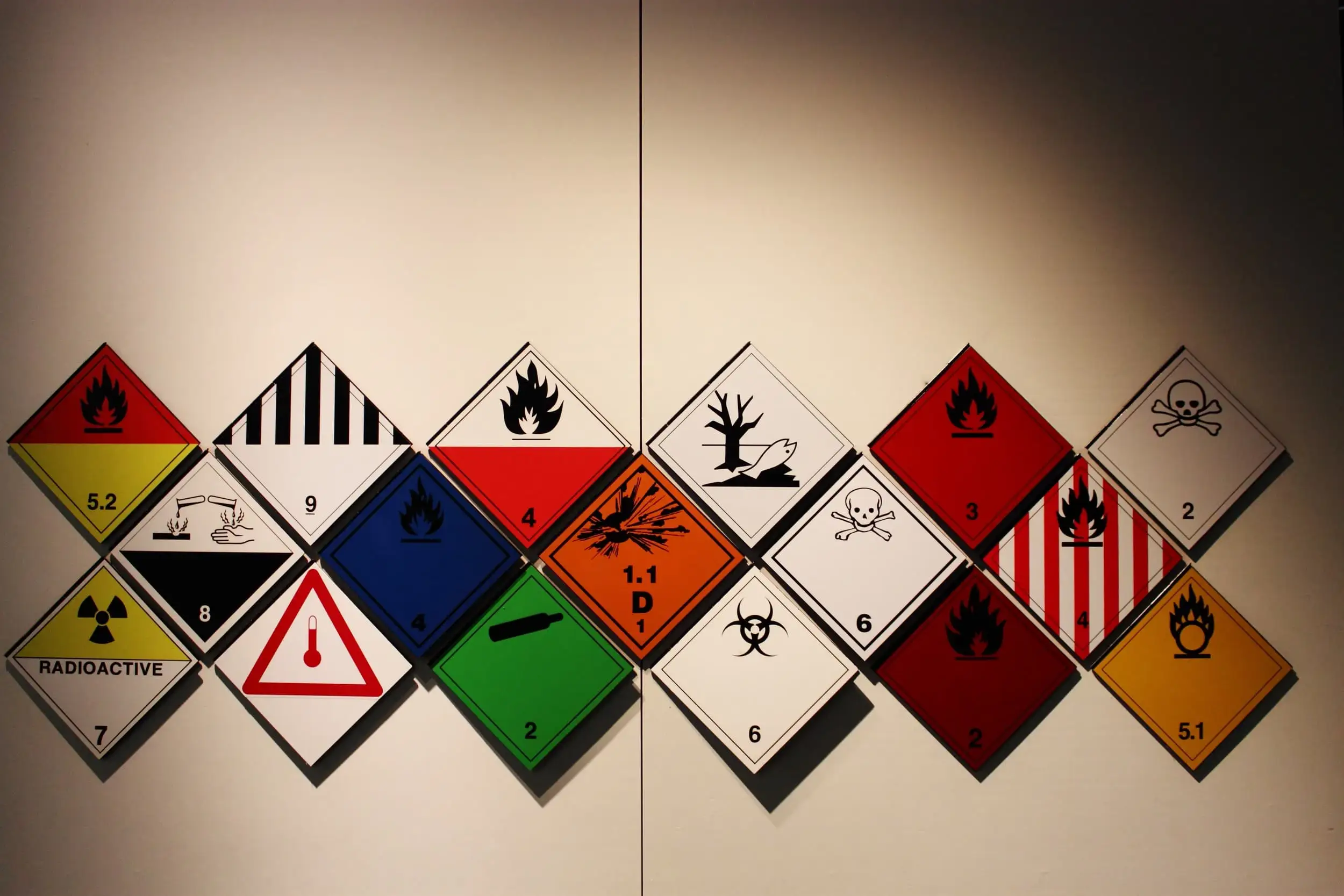
Hazardous Material Classes
- Class 1-Explosives
- Class 2-Gases
- Class 3-Flammable Liquids
- Class 4-Flammable Solids
- Class 5-Oxidizing Substances and Organic Peroxides
- Class 6-Toxic and Infectious Substances
- Class 7-Radioactive Material
- Class 8-Corrosives
- Class 9-Miscellaneous Dangerous Goods
Most of our courses take about two (2) hours to complete. If a final exam is included, you should plan for an additional 30 minutes. Courses that require additional training time will clearly state that in the course title or description.
You’ll have unlimited access during your enrollment or access period. Most CTO courses must be completed within 90 days of purchase. OSHA-authorized Outreach Training provides up to 180 days to finish the course and required survey. Timeframes vary depending on the specific course and regulatory requirements. Please refer to our Terms & Conditions for more details.
Because our courses are self-paced, you can log in and out as needed and complete your training on a schedule that works best for you.
DOT rules require all HAZMAT employees to repeat training in its entirety at least every three years. To remain IATA certified, recurrent dangerous goods training must occur with 24 months of the previous training. Airline carriers may refuse shipments if IATA DGR training has not been completed within the previous 24 months.
DOT HAZMAT Awareness, Security & Function Specific
This DOT HAZMAT training online course satisfies all ground hazmat carrier shipping requirements including FedEx and UPS. It is intended for both initial and recurrent training. It will...
IATA Battery Shipping Regulations (BSR)
This course presents an overview of the rules and regulations associated with the safe transport of lithium batteries on airplanes, including...

Hazard Communication (HazCom, GHS) Online Training
This global harmonized system training course describes the standard, chemical and physical hazards, along with hazard controls that can be used to protect the health and safety of...