BUSINESS ACCOUNTS
Silica Awareness Online Training
Online Training Certificate Course
29 CFR 1926.1153
From the highest rated and most trusted online training company since 2008.
This course is offered in partnership with Hard Hat Training, a 360training™ company.
This online silica awareness training course presents an overview of the controls needed to prevent workers from contracting silica-based illnesses. Safety training topics include hazard communication standards, applicable regulations, and best practices to reduce the dangers of exposure to silica in construction work.
Crystalline silica is found in many common materials and products, such as sand, stone, mortar, concrete, and bricks. While it is an important construction material, silica exposure also puts workers at risk of inhaling small respirable crystalline silica particles in the air, known as silica dust. Workers may inhale silica dust during common workplace operations involving cutting, sawing, drilling, and crushing of silica-based materials.
This course is in partnership with Hard Hat Training. Hard Hat Training and Compliance Training Online™ are divisions of the 360training™.
This course is for:
This silica certification course is designed for anyone who works in or around common workplace operations that can result in inhalation of silica dust. This includes, but is not limited to, operations using sand products (such as sand blasting), as well as operations involving cutting, sawing, drilling, and crushing of concrete, brick, block, rock, and stone products. Safety training may help prevent serious injury in the workplace and save lives.
This online certification course meets the requirements set forth by OSHA for construction silica training.
Case Study: A 55-year-old man had worked for 30 years as a building renovation mason when he was diagnosed with silicosis in 1994. He was able to continue working after he was diagnosed. For 25 years, this worker used an air-supplied respirator while sandblasting. Sand was the usual abrasive. He was involved in sandblasting as many as 12 times per year. Sometimes, the mason used a handheld masonry saw with no water flowing onto the blade, although he usually wore a disposable particulate filter respirator.
Key Takeaways: Sandblasting is the most common cause of silica-related diseases. Special care must be taken when performing this type of work.

Governing Regulations
The Occupational Safety and Health Act of 1970 created the Occupational Safety and Health Administration (OSHA). OSHA, an agency of the U.S. Department of Labor, is charged with the enforcement of safety and health conditions of workers through the use of regulations published in the Code of Federal Regulations. OSHA regulations are published in Title 29 of the Code of Federal Regulations. Part 1926 is designated for construction industry standards, and compliance and safety standards for silica in the workplace are found in OSHA 29 CFR 1926.1153.
What You'll Learn
Introduction to OSHA Construction Silica Safety Training
- History of Silica Regulatory Efforts in Construction
- Key Provisions of the OSHA Regulations
- Monitoring
- Exposure Assessment
- More About the Permissible Exposure Limit
- Standards Currently in Place
- Injury Statistics
- Key Terms
All About Crystalline Silica
- Quartz and Cristobalite
- How Are Workers Exposed to Silica?
- Is Silica a Hazard in My Workplace?
- Determining How Much Silica Is Present
- Selecting a Laboratory
- Implementing Controls
Silica-related Diseases
- Stages of Silicosis
- Chronic Silicosis
- Accelerated Silicosis
- Acute Silicosis
- How Can You Determine If You Have Silicosis?
- Medical Examinations
Controlling Silica Exposure in Construction
- Hierarchy of Controls
- What Can Workers Do to Limit Their Exposure?
- Eliminate the Silica
- Apply Controls
- Be Educated
- Be Silica-Savvy
- Use Proper Hygiene
- Leave Silica at Work
- Use Proper Personal Protective Equipment
- Use Proper Ventilation
- Eliminate or Reduce the Risk of Silica Flour
Practical Applications for Controlling Silica
- Hazard Reduction and Elimination
- Overhead Protection with Safety Nets
- Specifics of Overhead Protection
- General Safety and Standards
- Using Stationary Masonry Saws
- Wet Cutting
- Vacuum Dust Collection Systems
- Ventilation Booths
- Using Handheld Masonry Saws
- Water
- Local Exhaust Ventilation
- Using Hand-Operated Grinders
- Local Exhaust Ventilation System
- Using Jackhammers
- Using Vehicle-Mounted Rock Drilling Rigs
- Maximize Dry Dust Collection
- Maximize Wet Suppression
- Use and Maintain Enclosed Cabs
- Performing Drywall Finishing
Summary
Additional Resources
Exam
Most of our courses take about two (2) hours to complete. If a final exam is included, you should plan for an additional 30 minutes. Courses that require additional training time will clearly state that in the course title or description.
You’ll have unlimited access during your enrollment or access period. Most CTO courses must be completed within 90 days of purchase. OSHA-authorized Outreach Training provides up to 180 days to finish the course and required survey. Timeframes vary depending on the specific course and regulatory requirements. Please refer to our Terms & Conditions for more details.
Because our courses are self-paced, you can log in and out as needed and complete your training on a schedule that works best for you.
Employers are responsible for training new personnel before assigning them to tasks that may expose them to hazards such as respirable crystalline silica.
To ensure compliance with OSHA silica training, safety training must be conducted regularly to ensure that each employee can demonstrate knowledge and understanding of silica hazards and safety per 29 CFR 1926.1153. This silica dust training course meets these training requirements.
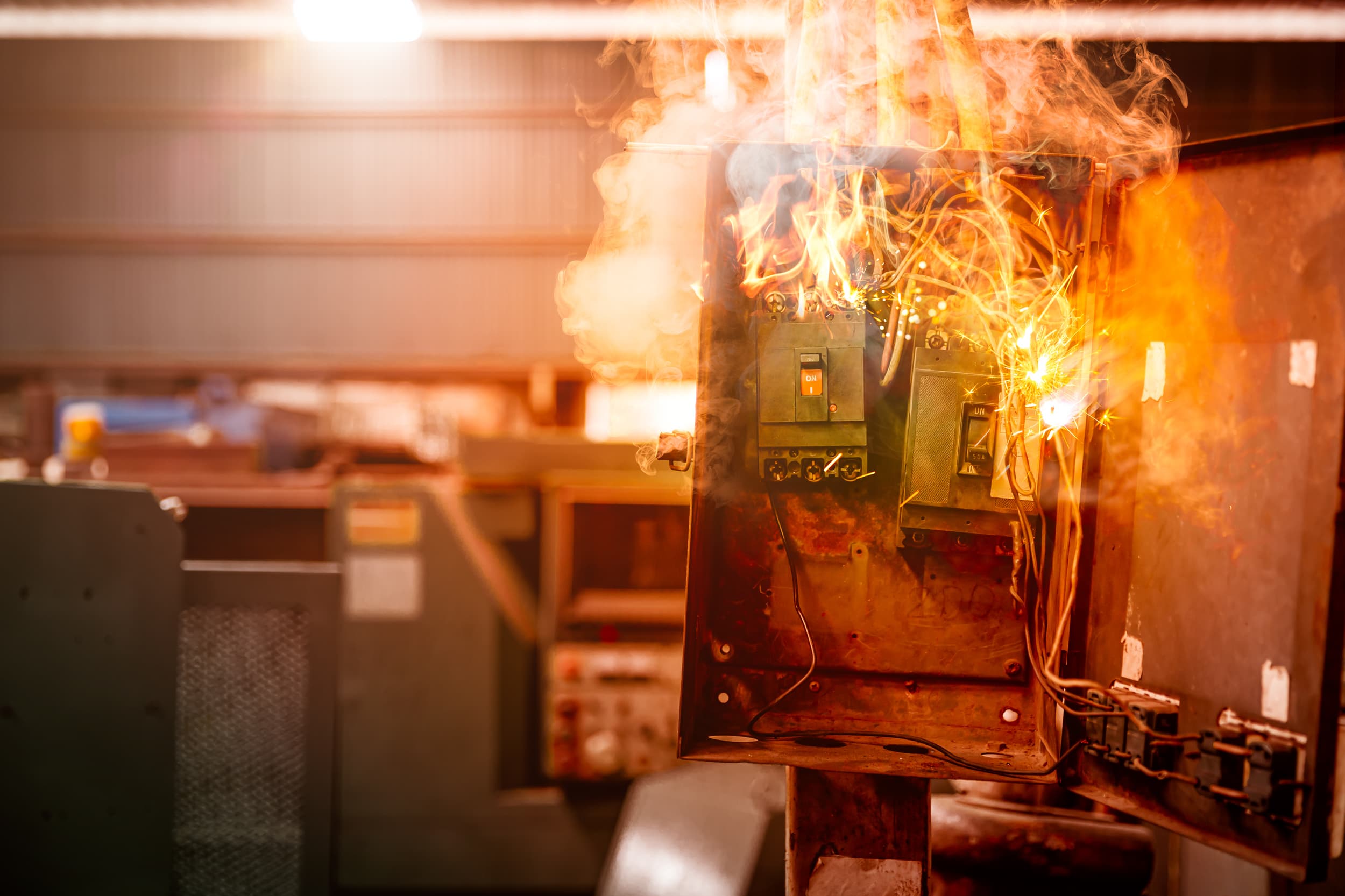
NFPA 70E (2024): Standard for Electrical Safety in the Workplace
This course presents an overview of measures to reduce hazards presented by arc flash events. It will cover basic electrical concepts, circumstances that can present the risk of arc flashes...
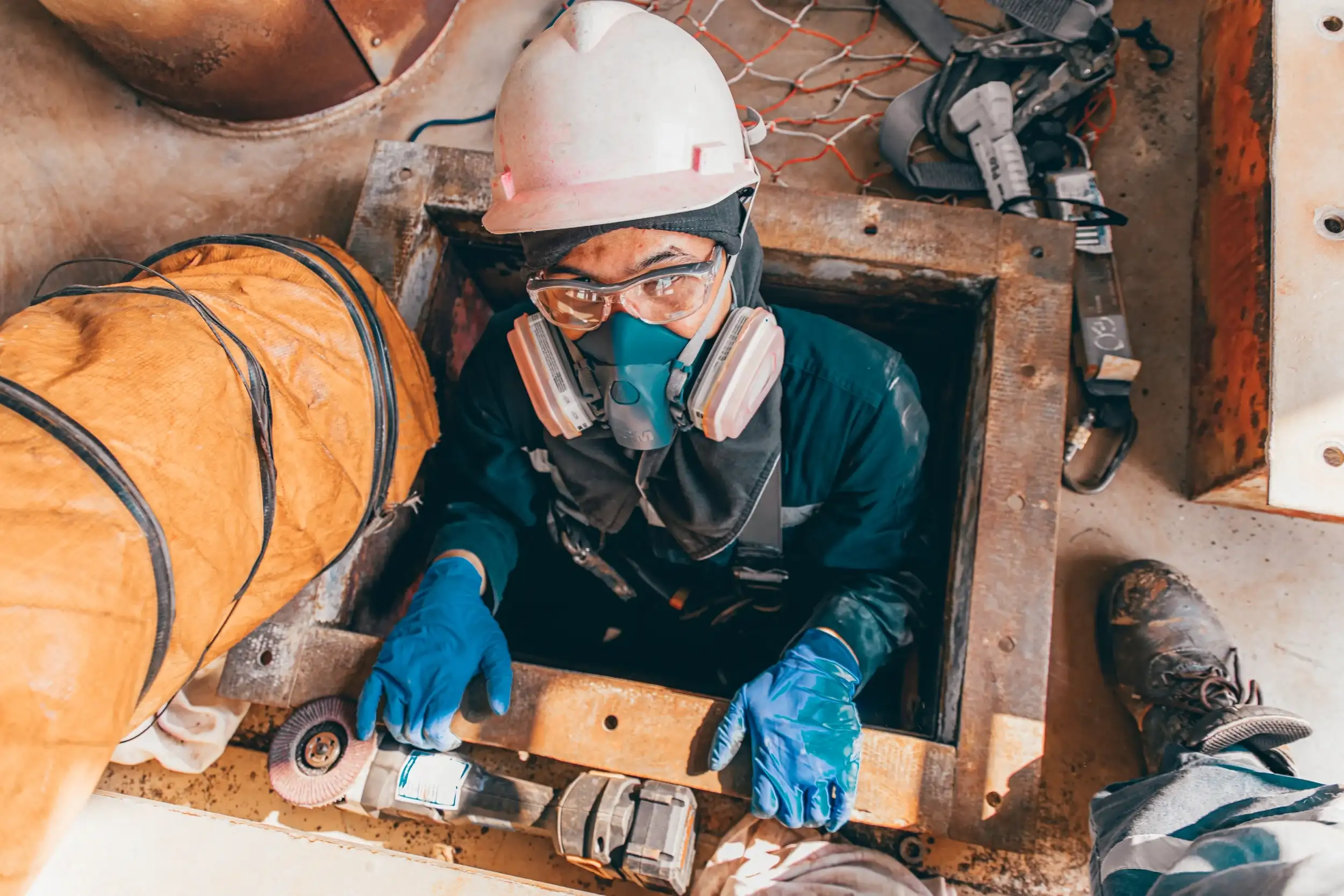
Confined Space Training Online | OSHA-Aligned
Meet OSHA safety standards with our confined space training. Learn regulations for entrants, attendants & supervisors. Enroll now!
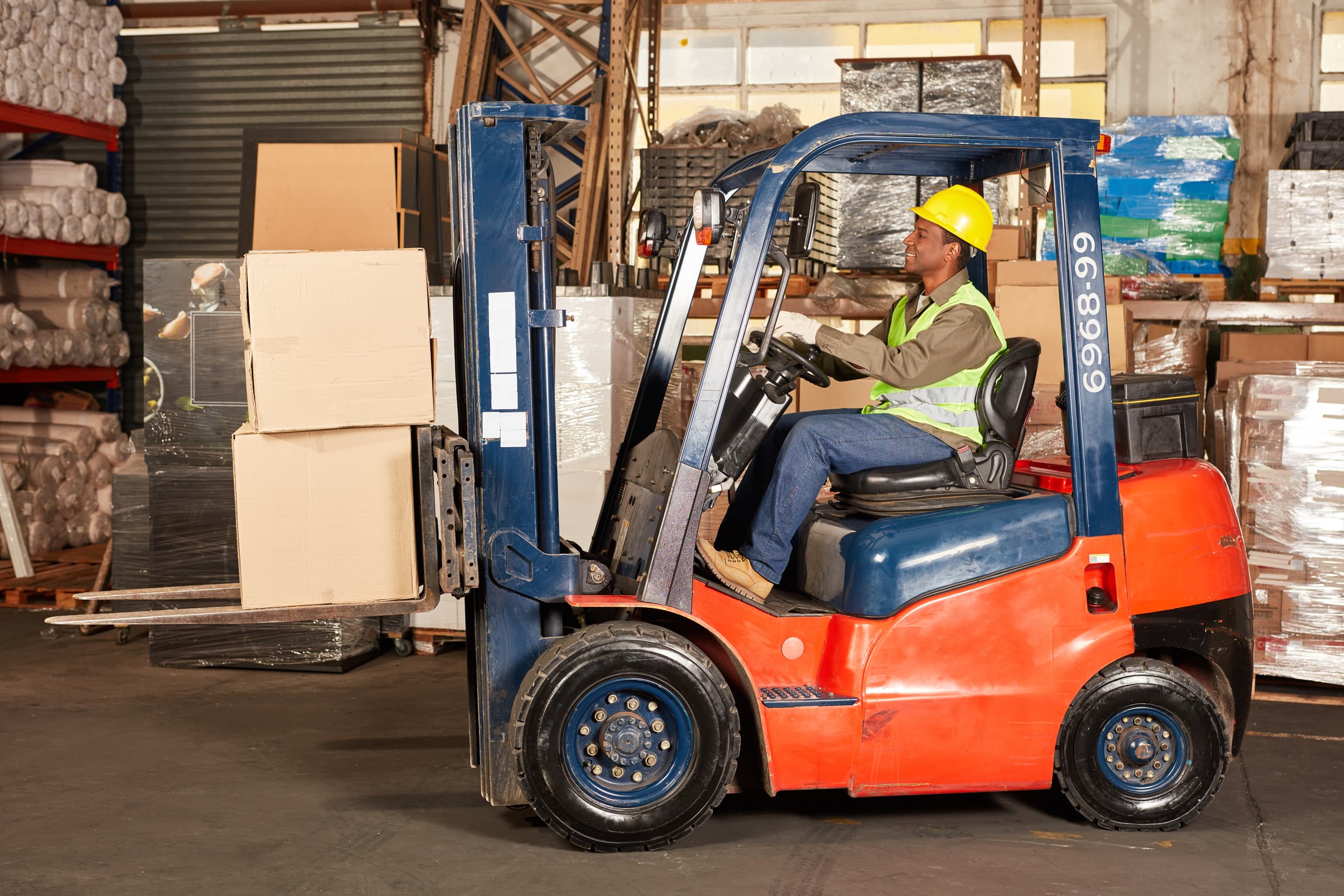
Sit Down Forklift Online Safety Training
This course will familiarize you with the regulations, responsibilities, and best practices as outlined in the CFR1910.178(a) requirements for forklift operators and forklift maintenance.