BUSINESS ACCOUNTS
DOT Shipping Lithium Batteries
Online Training Certificate Course
49 CFR 173.185
From the highest rated and most trusted online training company - since 2008.
This DOT lithium batteries online training course highlights best practices to minimize the risks associated with shipping lithium batteries, such as monitoring, recordkeeping, and reporting standards. Topics include the classification of lithium cells and batteries; acceptable packaging materials; proper marking and labeling procedures; size requirements; hazard communication; disposal and recycling methods; and handling damaged, defective, and recalled batteries.
Lithium batteries are an integral component of our increasingly mobile lifestyle. While they power electronics essential to daily life, they also pose safety hazards. The Department of Transportation regulates lithium batteries as hazardous materials under the DOT's Hazardous Materials Regulations (49 CFR 173.185). This law includes rules designed to eliminate poor handling and backing of lithium batteries.
Per the DOT, shipping lithium batteries requires proper packing, labeling, and handling to reduce the risk of chemical and electrical hazards. Our online certification course in safe shipping training is designed to help you achieve a greater understanding of the rules and regulations in place to ensure the safe shipment of hazmat lithium batteries.
NOTE: If you ship lithium batteries by air you also need our IATA DGR Class 9 course.
This course is for:
According to the DOT, anyone involved in the manufacturing, packaging, preparing, and shipping of lithium batteries must receive comprehensive safety training. No employee who handles or ships lithium batteries may do so prior to meeting training requirements unless under the direct supervision of trained personnel during the initial training period.
Case Study: In December 2017, a package of improperly disposed of lithium batteries caused a small explosion aboard a garbage truck in New York City. Sanitation workers threw a small box that was duct-taped together into the back of the truck and then began the process of crushing the discarded products. As the compactor bore down on the box, an explosion occurred, igniting the box and causing a fire. Luckily, the workers were able to reverse the compacting process and retrieve the smoldering item, which they threw into a nearby puddle to extinguish the fire.
Key Takeaway: Disposing of lithium batteries improperly-without federally required packing materials-can cause hazards to drivers transporting the batteries, as well as individuals in the vicinity.

Governing Regulations
Regulations for shipping lithium cells and batteries are found in 49 CFR 173.185. Lithium batteries must meet all applicable HMR requirements when transported by air, railway, water, or highway.
What You'll Learn
About This Course
Course Objectives
Introduction to DOT Shipping Lithium Batteries Safety Training
- Governing Authorities
- Lithium Batteries - History
- Key Terms
- Purpose of the Law
- Recent Updates to the Regulations
Battery Testing and Criteria
- Requirements of Part III, Sub-section 38.3
- Manufacturer
- Responsibilities
- Testing Summary
- Lithium Cell and Battery Requirements
Packaging
- Avoiding Short Circuits
- Avoiding Movement of Batteries within the Packaging
- Marking and Labeling
- Packaging Requirements Based on Size
- Size Definitions
- Small Lithium Batteries
- Medium Lithium Batteries
- Fully Regulated Lithium Batteries
Exceptions for Smaller Cells
- Size Limitations
- Extended Maximum Sizes
- Packaging, Marking, and Documentation
- Packaging
- Marking
- Documentation
Shipping for Disposal or Recycling
- Motor Vehicle Transportation Exceptions
Low Production Runs and Prototypes
- Testing and Record-keeping Exceptions
Damaged, Defective, and Recalled Batteries
- Transportation Stipulations
Additional Resources
Summary
Exam
Most of our courses take about two (2) hours to complete. If a final exam is included, you should plan for an additional 30 minutes. Courses that require additional training time will clearly state that in the course title or description.
You’ll have unlimited access during your enrollment or access period. Most CTO courses must be completed within 90 days of purchase. OSHA-authorized Outreach Training provides up to 180 days to finish the course and required survey. Timeframes vary depending on the specific course and regulatory requirements. Please refer to our Terms & Conditions for more details.
Because our courses are self-paced, you can log in and out as needed and complete your training on a schedule that works best for you.
The DOT's HAZMAT shipping regulations require personnel to complete refresher training at least every three years. However, when shipping by air, retraining is required every 24 months to satisfy IATA regulations.
DOT HAZMAT Awareness, Security & Function Specific
This DOT HAZMAT training online course satisfies all ground hazmat carrier shipping requirements including FedEx and UPS. It is intended for both initial and recurrent training. It will...
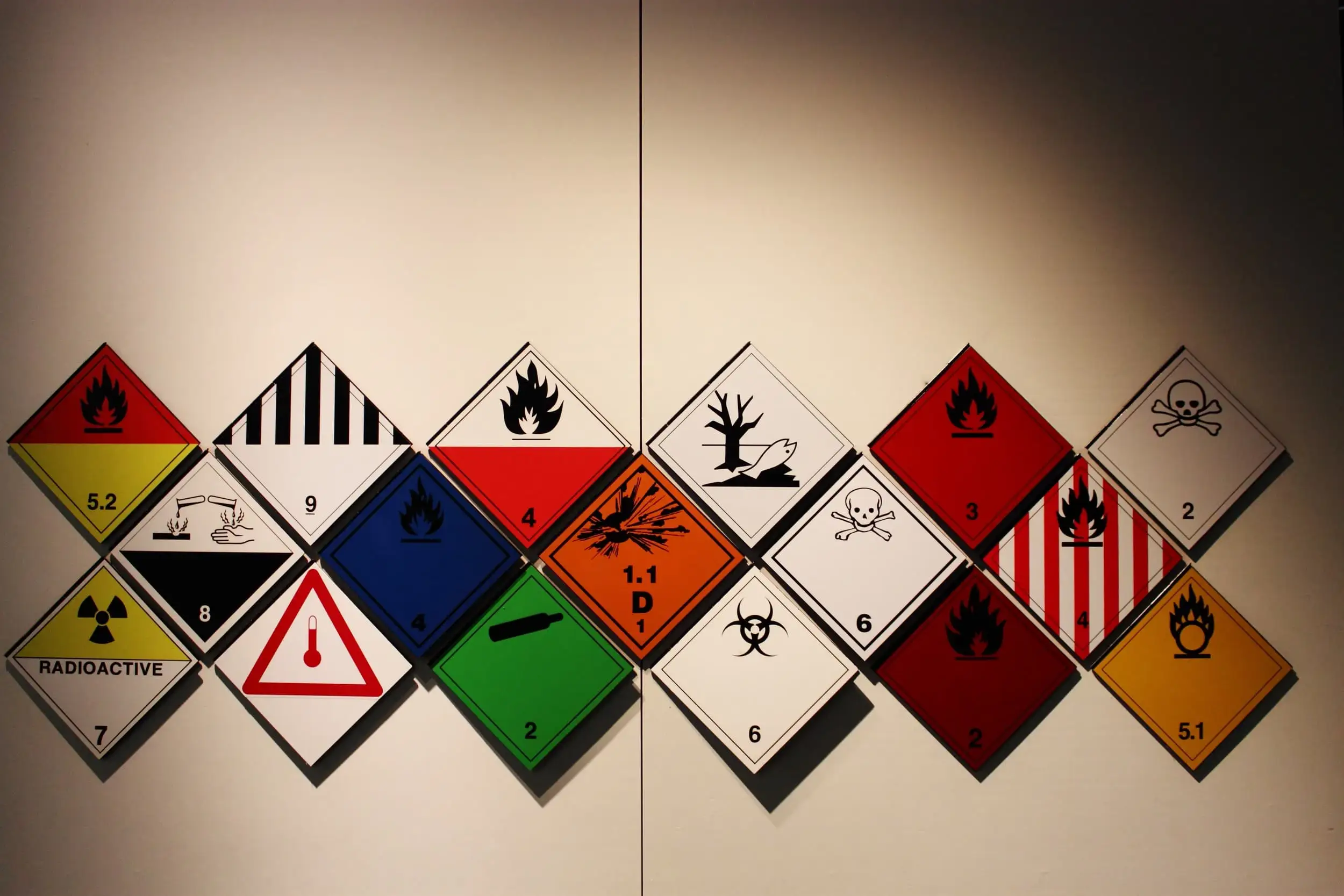
Multimodal DOT & IATA HAZMAT Shipping
This DOT and IATA Multimodal HAZMAT Shipping Safety Training Course covers regulations for safely transporting hazardous materials and dangerous goods by road and air...

IATA Battery Shipping Regulations (BSR)
This course presents an overview of the rules and regulations associated with the safe transport of lithium batteries on airplanes, including...