BUSINESS ACCOUNTS
Aerial Lift (MEWP) Online Training
Online Training Certificate Course
29 CFR 1910 & 1926
From the highest rated and most trusted online training company - since 2008.
This course is offered in partnership with Hard Hat Training, a 360training® company.
This online certification course covers aerial boom lift hazards, including uneven surfaces, falls, electric shock, equipment collapse, inclement weather, nearby work, inexperience or improper operation, mechanical defects, and inadvertent operation. Course content also includes applicable regulations, requirements, and key safety practices, as well as the responsibilities of owners, supervisors, and operators.
Aerial boom lifts, also known as cherry pickers or bucket trucks, consist of a platform or bucket at the end of a hydraulic or electric lifting system. They are used in many different industries to lift personnel from the ground to a higher elevation. Use of an aerial boom lift requires special aerial boom lift training.
This course is in partnership with Hard Hat Training. Hard Hat Training and Compliance Training Online™ are divisions of the 360training.
Any employee who is involved in the use and operation of an aerial boom lift needs boom lift training in order to safely perform their job tasks. These platforms are used in a variety of industries, from construction to factory work to shipyards. Proper training includes understanding the regulations and requirements laid out by OSHA, which are covered in this aerial lift certification course. Crane operators, lift operators, project managers, supervisors, and other applicable personnel will benefit from taking this boom lift training online course.
Case Study: A power utility employee was working in an insulated aerial boom lift near energized 7,200 volt power lines. He was installing new, de-energized lines, which were in contact with the ground.
The lift controls were not in safe working condition. The override button on the upper control malfunctioned, causing unpredictable and uncontrollable movement of the bucket. This caused the worker to move too close to one of the energized lines. His hand and control handle came in contact with an energized line while his other hand held on to a grounded de-energized line. The worker failed to wear insulated gloves. The resulting electric shock was fatal.

Governing Regulations
The Occupational Safety and Health Act of 1970 created the Occupational Safety and Health Administration (OSHA). OSHA, an agency of the U.S. Department of Labor, is charged with the enforcement of safety and health conditions of workers through the use of regulations published in the Code of Federal Regulations. OSHA regulations are published in Title 29 of the Code of Federal Regulations. Part 1910 is reserved for general industry standards while Part 1926 is designated for construction industry standards. Aerial boom lifts are covered in multiple locations throughout both parts.
The following OSHA regulations are applicable to aerial boom lifts:
- 1910.67 - Vehicle-mounted Elevating and Rotating Work Platforms
- 1910.269 - Electric Power Generation, Transmission, and Distribution
- 1926.453 - Aerial Lifts
- 1926.454 - Training Requirements
- 1926.502 - Fall Protection Systems Criteria and Practices
- 1926.503 - Training Requirements
Additionally, the American National Standards Institute (ANSI) is an organization that uses industry experts to set consensus standards on various topics. ANSI has issued ANSI/SAIA A92.2, vehicle-mounted elevating and rotating aerial devices. Many OSHA regulations are based on ANSI standards, and often adopt or incorporate an ANSI standard via "incorporation by reference." The incorporated standard becomes part of the OSHA regulation and is no longer voluntary. OSHA requires that all aerial lifts are designed and constructed in accordance with ANSI A92.2.
The Aerial Boom Lift Safety course meets the requirements set forth by OSHA for aerial boom lift certification.
What You'll Learn
Introduction to Aerial Boom Lift Safety
- What Is an Aerial Lift?
- Aerial Boom Lifts
- Common Terms
- Trained and Qualified Operators
- OSHA Regulations
- ANSI Standards
- Compliance
Responsibilities
- Responsibilities-Facility Owners and Managers
- Responsibilities-Supervisors
- Responsibilities-Operators
- Training and Credentials
- Retraining and Recordkeeping
Aerial Lift Fatalities and Injuries
- Classification of Hazards
Tip-overs and Collapses
- Uneven Surfaces
- Outriggers, Brakes, and Wheel Chocks
- Overextension
- Load Limits
- Use for Transport of Materials
Fall Protection
- Guardrails
- Three-point Contact
- Fall-Protection System
- Personal Fall Protection Equipment Terms
- OSHA Fall Protection Regulations
- Common Fall Restraint and Arrest Options
Electric Shock Hazards
- Overhead Power Lines
- Insulated Boom Lifts
- Minimum Safe Distances
- Working with Power Tools
- General Precautions
Inclement Weather Hazards
- Snow or Ice on the Platform
- Hazardous Atmosphere
Nearby Work Hazards
- Collisions
- Entanglement
- Falling Objects
Safety Features
- Controls
- Emergency Stops
- Interlocks
- Hydraulic and Pneumatic Components
- Operator's Manual, Markers, and Decals
Inspections and Maintenance
- Worksite Inspections
- Daily Inspections
- Periodic Inspections
- Annual Inspections
- Maintenance
- Defective Aerial Boom Lift
- Safety Procedure after Mechanical Failure
- Inspection and Maintenance Records
Safe Work Practices
- Personal Protective Equipment
- Safe Start-up Procedures
- Safe Shut-down Procedures
- Safe Work Practices during Operation
- Working near Traffic
Summary
Additional Resources
Exam
Most of our courses take about two (2) hours to complete. If a final exam is included, you should plan for an additional 30 minutes. Courses that require additional training time will clearly state that in the course title or description.
You’ll have unlimited access during your enrollment or access period. Most CTO courses must be completed within 90 days of purchase. OSHA-authorized Outreach Training provides up to 180 days to finish the course and required survey. Timeframes vary depending on the specific course and regulatory requirements. Please refer to our Terms & Conditions for more details.
Because our courses are self-paced, you can log in and out as needed and complete your training on a schedule that works best for you.
Employers must provide training at the time of initial assignment to tasks where an employee may operate an aerial boom lift. This lift certification course meets these safety training requirements. According to OSHA, retraining for boom lift certification must be provided when there have been changes at the worksite or types of equipment, or when an employer sees that retraining is necessary for proficiency.
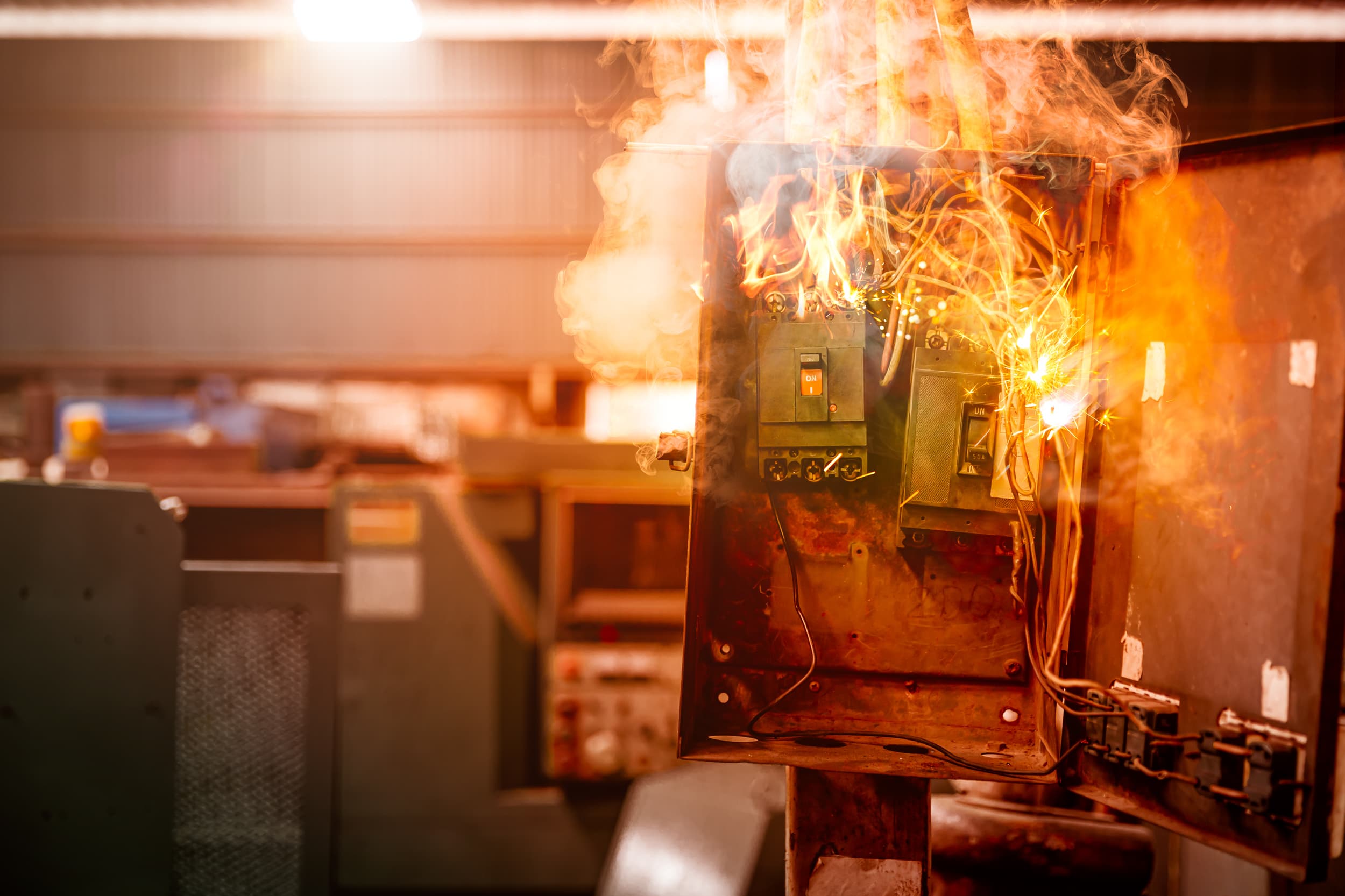
NFPA 70E (2024): Standard for Electrical Safety in the Workplace
This course presents an overview of measures to reduce hazards presented by arc flash events. It will cover basic electrical concepts, circumstances that can present the risk of arc flashes...
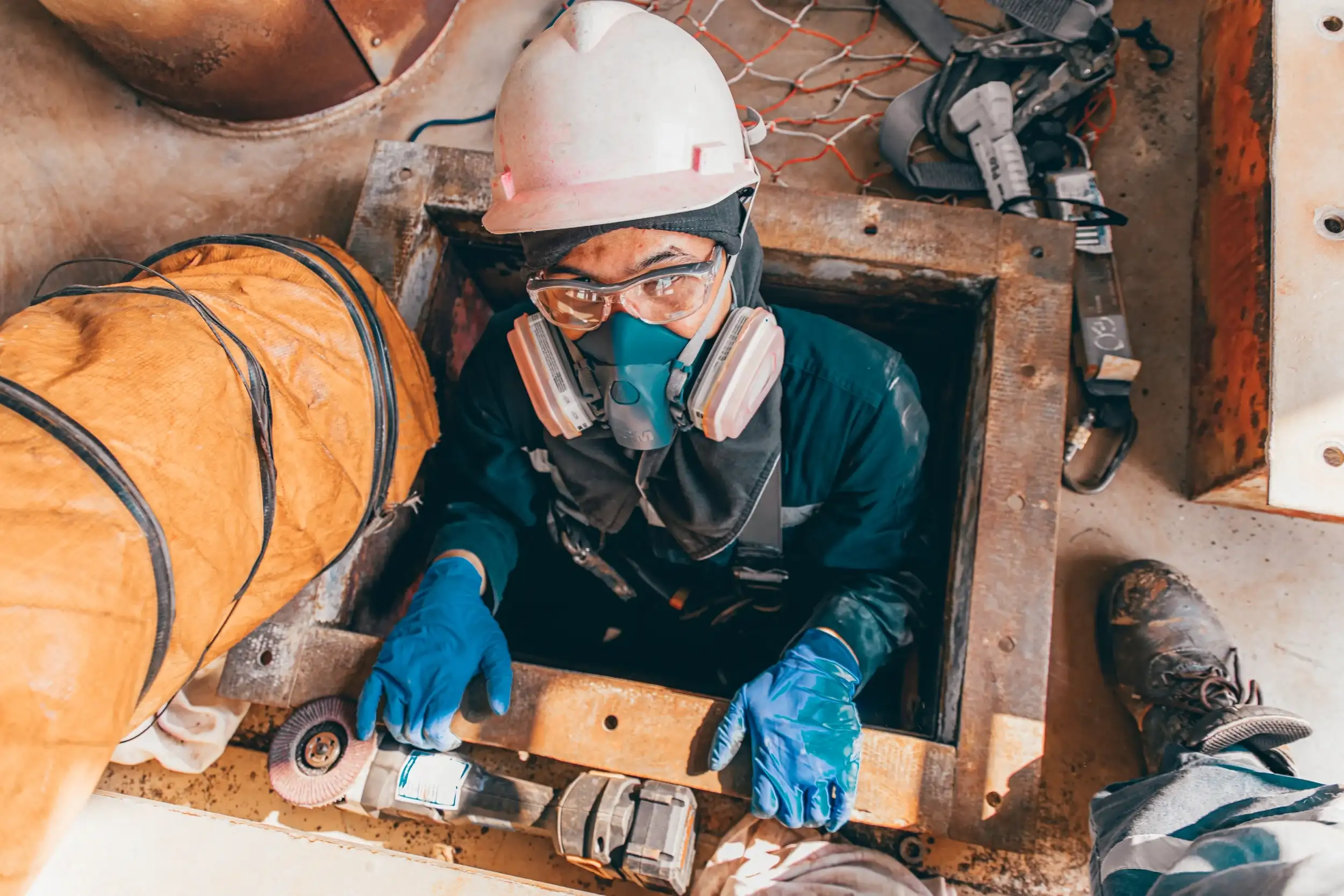
Confined Space Training Online | OSHA-Aligned
Meet OSHA safety standards with our confined space training. Learn regulations for entrants, attendants & supervisors. Enroll now!
Sit Down Forklift Online Safety Training
This course will familiarize you with the regulations, responsibilities, and best practices as outlined in the CFR1910.178(a) requirements for forklift operators and forklift maintenance.