BUSINESS ACCOUNTS
Sit Down Forklift Online Safety Training
Online Training Certificate Course
29 CFR 1910.178
From the highest rated and most trusted online training company - since 2008.
This course is offered in partnership with Hard Hat Training, a 360training™ company.
Case Study: On the morning of September 20, 2017, an employee of a building supply company in Clyde Hill, Washington, was operating a forklift on the job. The forklift had its mast extended, causing it to be unbalanced. As the employee drove the forklift, its instability caused the truck to tip forward onto its forks, violently ejecting the employee from his seat. He was not wearing the seatbelt, a required safety measure. The employee struck his head on the forklift's overhead protective guards and died from blunt force head trauma.
Key Takeaways: Employers set the tone for safety. A workplace culture of diligent compliance with basic safety precautions decreases the likelihood of accidents. In this case, the basic safety precautions for forklift operation were ignored. The required seatbelt was not used and the forklift mast was up, a known and easily recognized source of instability. The tipping forward of the forklift might have been avoided had the forklift mast been in an appropriate position, and the fatality might have been prevented had the driver been wearing a seatbelt. When forklifts and PITs are equipped with seatbelts and other restraints, OSHA requires employers to enforce their use.
Any injury or death of a worker should be seen as a serious call for employers and workers alike to look carefully at safety practices. The employer should determine what needs to be done to ensure that each worker is given the best chance to avoid injury, accidents, and death.
Available languages: 100+ languages - translation provided by Google Translate (Select Language bottom of page)

Governing Regulations
The Occupational Safety and Health Act of 1970 created the Occupational Safety and Health Administration (OSHA). OSHA, an agency of the U.S. Department of Labor, is charged with the enforcement of safety and health conditions of workers through the use of regulations published in the Code of Federal Regulations. OSHA standards are published in Title 29 of the Code of Federal Regulations. Part 1910 addresses general industry standards. Training requirements for forklift, motorized hand trucks, and other powered industrial trucks are detailed in 29 CFR 1910.178.
What You'll Learn
Basic Forklift Components
- Controls
- Instruments
- Electric Batteries
- Powered Industrial Truck Classifications
- Basic Forklift Safety Devices
Vehicle Inspections
- Pre-Operation Inspections
- Operational Inspection
- Forklift Designations and Designated Areas
Training and Certification of Forklift Operators
Overview of Risks and Hazards of Forklift Operation
Operating A Forklift
- Creating a Stable Load
- The Stability Triangle
- Lateral Stability
- Longitudinal Stability
- Dynamic Stability
- Avoiding Tip-Overs
- Knowing Your Load Capacity
- Attachments
Loading the Forklift
- Working with Truck Trailers and Railroad Cars
Traveling in the Forklift
- Working in the Forklift
- Steering, Turning, and Changing Direction
Workplace Conditions
- More Workplace Risks
- Pedestrian Safety
- Passengers and Riders
- Forklift Maintenance
Summary
Additional Resources
Exam
Our online courses will take at least 2 hours to complete, including the final exam, unless a different timeframe is specified in the course details. The learner may log on and off as needed. When they log back in, the course will return to where they left off.
Unless otherwise indicated in the course details, learners have 60 days from the date of enrollment to complete the course. During this time, participants can log out and back in to return to where they left off in the course. The only exception is the final exam, which must be completed in a single sitting.
Learners who do not complete the course within 60 days will have their enrollment disabled and not be eligible for a refund. Please review our Terms & Conditions for details.
Employers are responsible for training new personnel before assigning them to tasks that may expose them to hazards such as forklifts and other powered industrial trucks.
1910.178(l)(4)(ii)
Refresher training in relevant topics shall be provided to the operator when:
1910.178(l)(4)(ii)(A)
The operator has been observed to operate the vehicle in an unsafe manner;
1910.178(l)(4)(ii)(B)
The operator has been involved in an accident or near-miss incident;
1910.178(l)(4)(ii)(C)
The operator has received an evaluation that reveals that the operator is not operating the truck safely;
1910.178(l)(4)(ii)(D)
The operator is assigned to drive a different type of truck;
OR
1910.178(l)(4)(ii)(E)
A condition in the workplace changes in a manner that could affect safe operation of the truck.
1910.178(l)(4)(iii)
An evaluation of each powered industrial truck operator's performance shall be conducted at least once every three years.
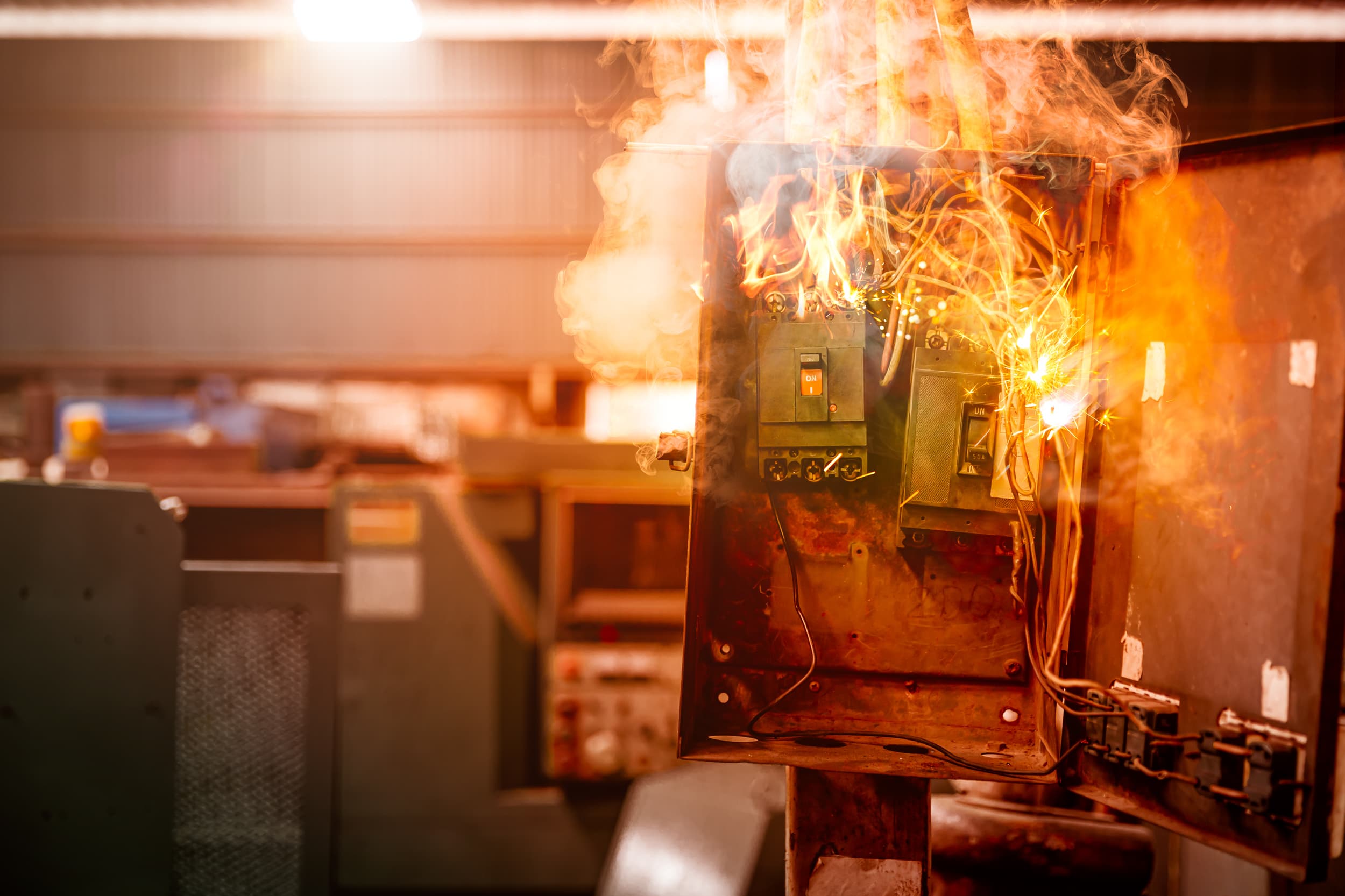
NFPA 70E (2024): Standard for Electrical Safety in the Workplace
This course presents an overview of measures to reduce hazards presented by arc flash events. It will cover basic electrical concepts, circumstances that can present the risk of arc flashes...
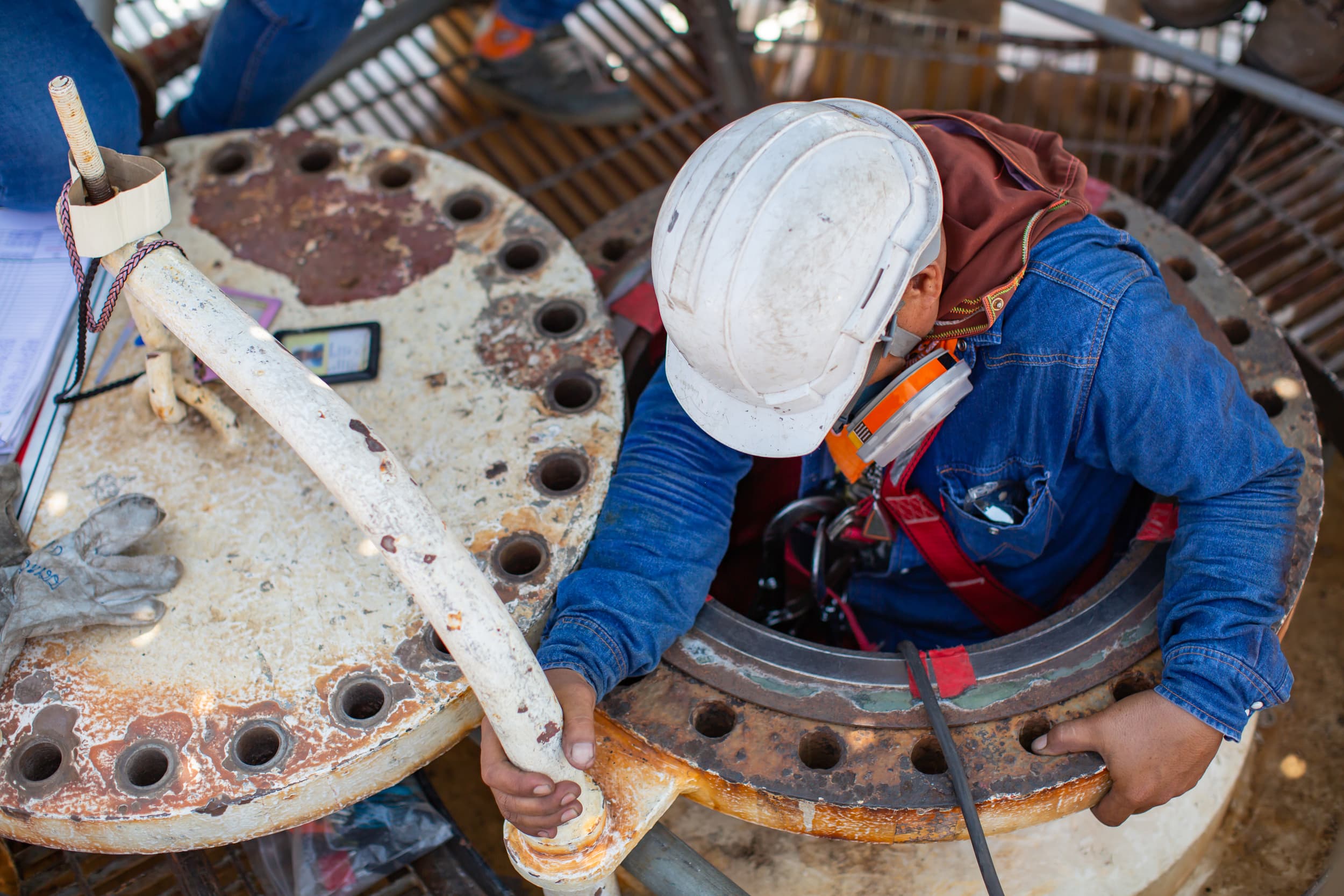
Confined Space Training Online | OSHA-Aligned
Meet OSHA safety standards with our confined space training. Learn regulations for entrants, attendants & supervisors. Enroll now!
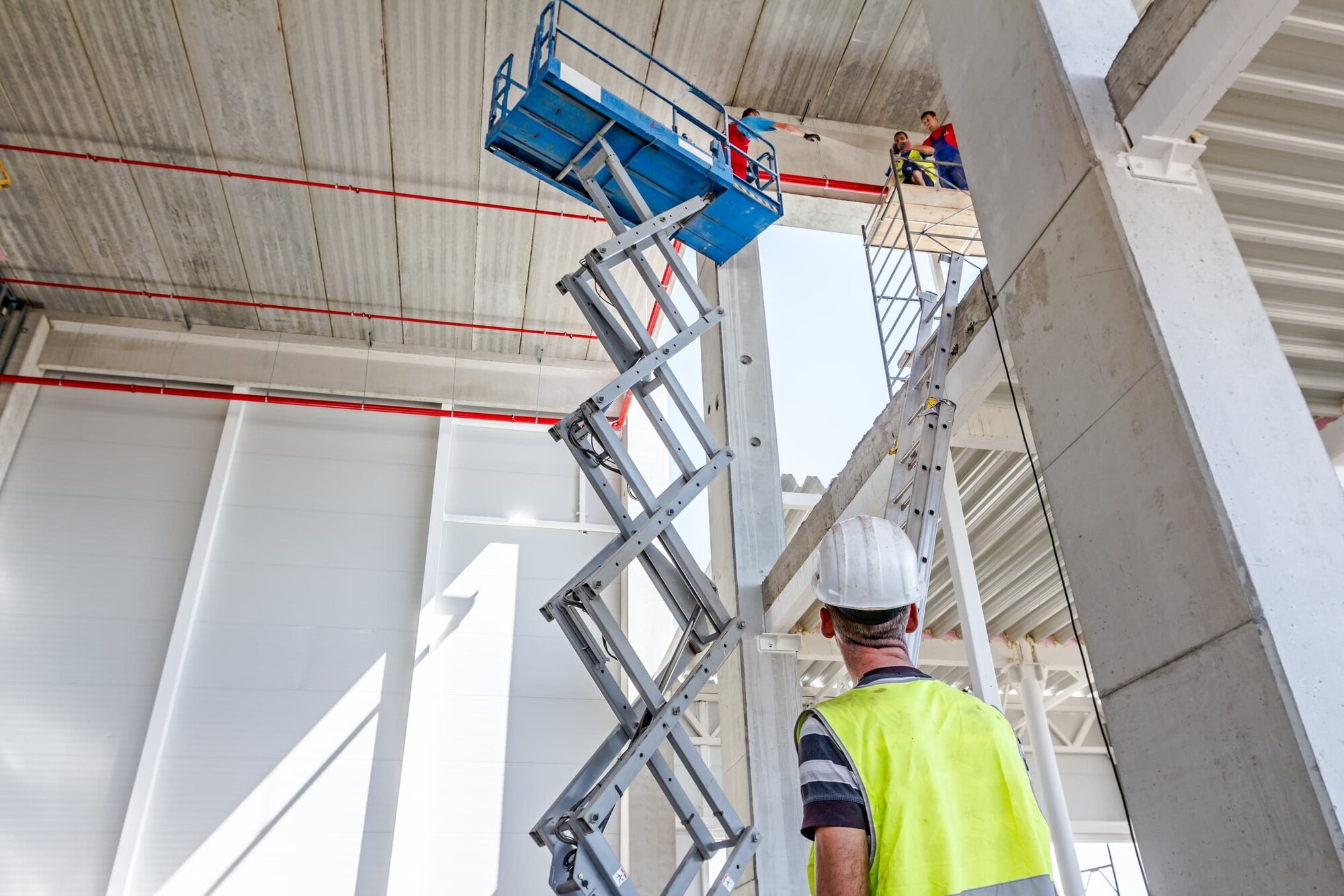
Scissor Lift Online Training
This course presents an overview of safe operating procedures for scissor lifts including the responsibilities of owners, supervisors, and workers, hazards from uneven surfaces...