BUSINESS ACCOUNTS
Construction Backover Safety
Online Training Certificate Course
29 CFR 1926
From the highest rated and most trusted online training company since 2008.
This online training course is designed to help construction personnel understand the rules and regulations for the safe use of construction equipment. Course content focuses on key safety practices to minimize runover and backover injuries and deaths in construction and roadway zones.
The term "backover" refers to an incident that occurs when a vehicle backing in reverse strikes a person who is standing, walking, or kneeling behind the vehicle. Backover accidents occur for a variety of reasons, such as the driver not seeing a worker in their blind spot, workers not hearing the back up sound, or drivers assuming the area is clear. Backovers are a leading cause of fatalities in construction work zones, but these deaths are preventable with proper safety training.
This course is for:
Backover training is designed for anyone who works near or operates construction equipment and vehicles. This online certification course meets the requirements set forth by OSHA for construction backover safety training.
Case Study: On August 2, 2000, in Wisconsin, a 20-year-old laborer died from being run over by a dump truck. A dump truck driver was dumping a load of gravel in an area being prepared for paving. After dumping the load, the truck operator began to back up the truck, steering the vehicle to avoid backing into a grader behind him. The truck's back-up lights and alarms were working, and the driver was watching the mirrors on both sides of the truck. The victim was pounding stakes into the ground next to the truck. The changing path of the dump truck brought the victim into the truck's path. The victim, wearing a traffic safety vest, was crouching down with his back to the truck. He stepped into the lane where the truck was backing, unaware of the truck's presence. The grader operator saw the truck as it struck and began to pass over the victim, and tried to alert the truck driver by radio. The signal did not go through to the driver's radio. At about the same time, the truck driver saw the victim's body lying in the gravel. The medical examiner pronounced the victim dead at the scene.
Key Takeaway: Road builders should develop an Internal Traffic Control Plan "ITCP" that project managers can use to coordinate the flow of construction vehicles, equipment, and workers operating in close proximity within the activity area, especially on large and multi-contractor jobs.

Governing Regulations
The Occupational Safety and Health Act of 1970 created the Occupational Safety and Health Administration (OSHA). OSHA, an agency of the U.S. Department of Labor, is charged with the enforcement of safety and health conditions of workers through the use of regulations published in the Code of Federal Regulations. OSHA standards are published in Title 29 of the Code of Federal Regulations. Part 1926 is designated for construction industry standards. OSHA requirements for construction backover safety are found in the following regulations:
- 29 CFR 1926.601 Motor vehicles
- 29 CFR 1926.602 Material handling equipment
- 29 CFR 1926.959 Mechanical equipment
What You'll Learn
Introduction to OSHA Regulations for CFR 1926, Construction Backover
- Key Terms
- Statistics
- Responsibilities for Construction Backover
- Employer Responsibilities - Standard Operating Procedures
- Employer Responsibilities - Compliance, Equipment Operation, and Servicing
- Responsibilities - Employees and Personnel Providers
- Responsibilities - Site Visitors, Manufacturers, and After-Market Installers
- Applicable Regulations
- Applicable Regulations - Individual State Laws
Hazards
- Prevention
- Spotter
- Cameras
- Proximity Detection Systems
- Tag-Based Systems
- Internal Traffic Control Plans
Safe Work Practices
- Developing the Program
- Components of the Program
- Preparation of the Program
- Personal Protective Equipment
- Providing PPE
- Selecting PPE and Ensuring Its Proper Use
- Controls
- Administrative Controls
- Engineering Controls - Braking and Lights
- Engineering Controls - Seatbelts, Levers, Fenders, ROPS, Trip Handles, and Mud Flap
Training
- Safety and Training Program Components
- Standard Operating Procedures
- Daily Meetings
Summary
Additional Resources
Exam
Most of our courses take about two (2) hours to complete. If a final exam is included, you should plan for an additional 30 minutes. Courses that require additional training time will clearly state that in the course title or description.
You’ll have unlimited access during your enrollment or access period. Most CTO courses must be completed within 90 days of purchase. OSHA-authorized Outreach Training provides up to 180 days to finish the course and required survey. Timeframes vary depending on the specific course and regulatory requirements. Please refer to our Terms & Conditions for more details.
Because our courses are self-paced, you can log in and out as needed and complete your training on a schedule that works best for you.
Employers are responsible for training new personnel before assigning them to tasks that may expose them to worksite hazards, including backover incidents. After completion of initial backing safety training, refresher courses should be completed at least annually thereafter, as well as any time unsafe operation is observed, there is a change in operating conditions, or a change in equipment. This backing up training meets these training requirements.
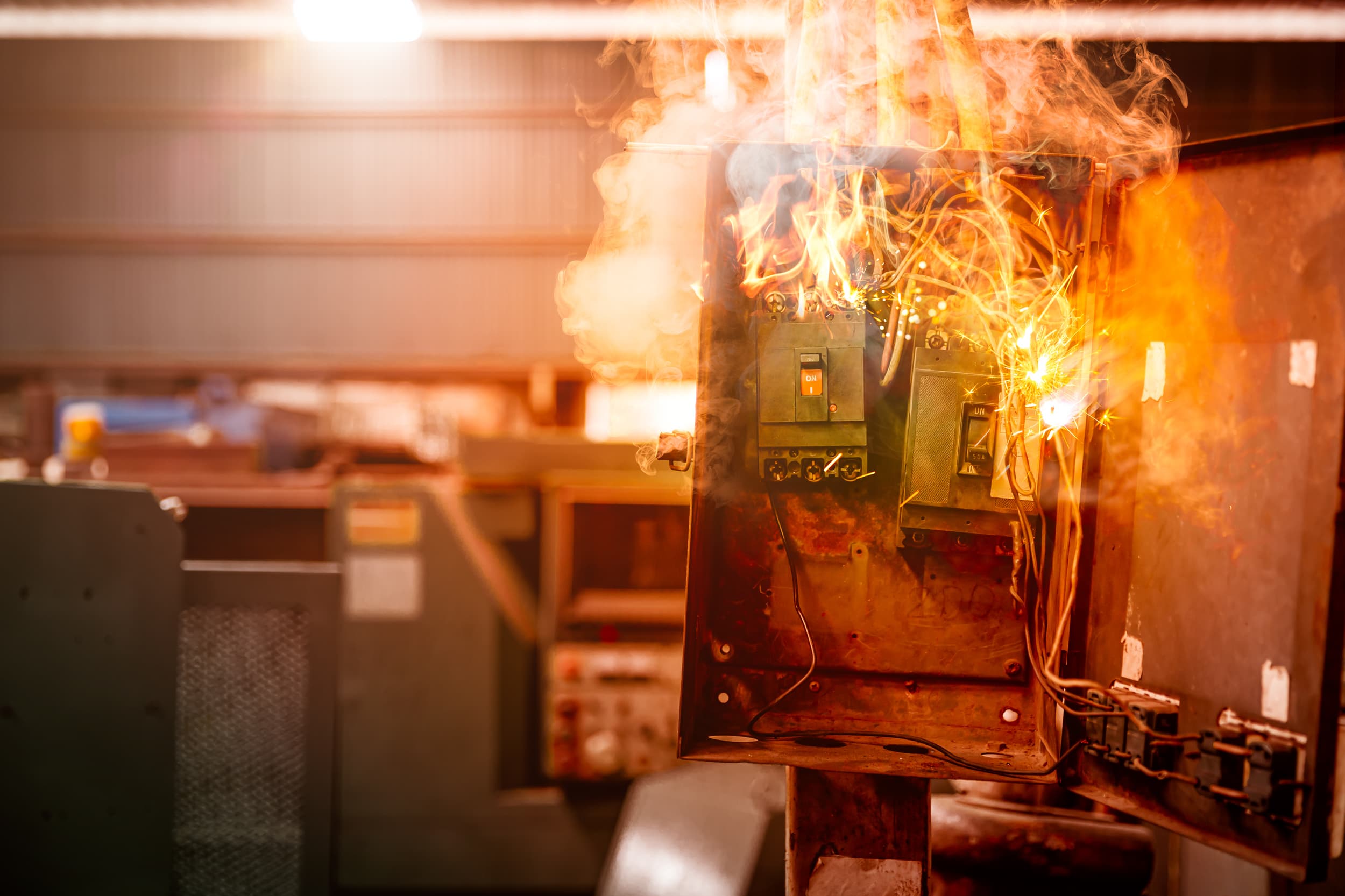
NFPA 70E (2024): Standard for Electrical Safety in the Workplace
This course presents an overview of measures to reduce hazards presented by arc flash events. It will cover basic electrical concepts, circumstances that can present the risk of arc flashes...
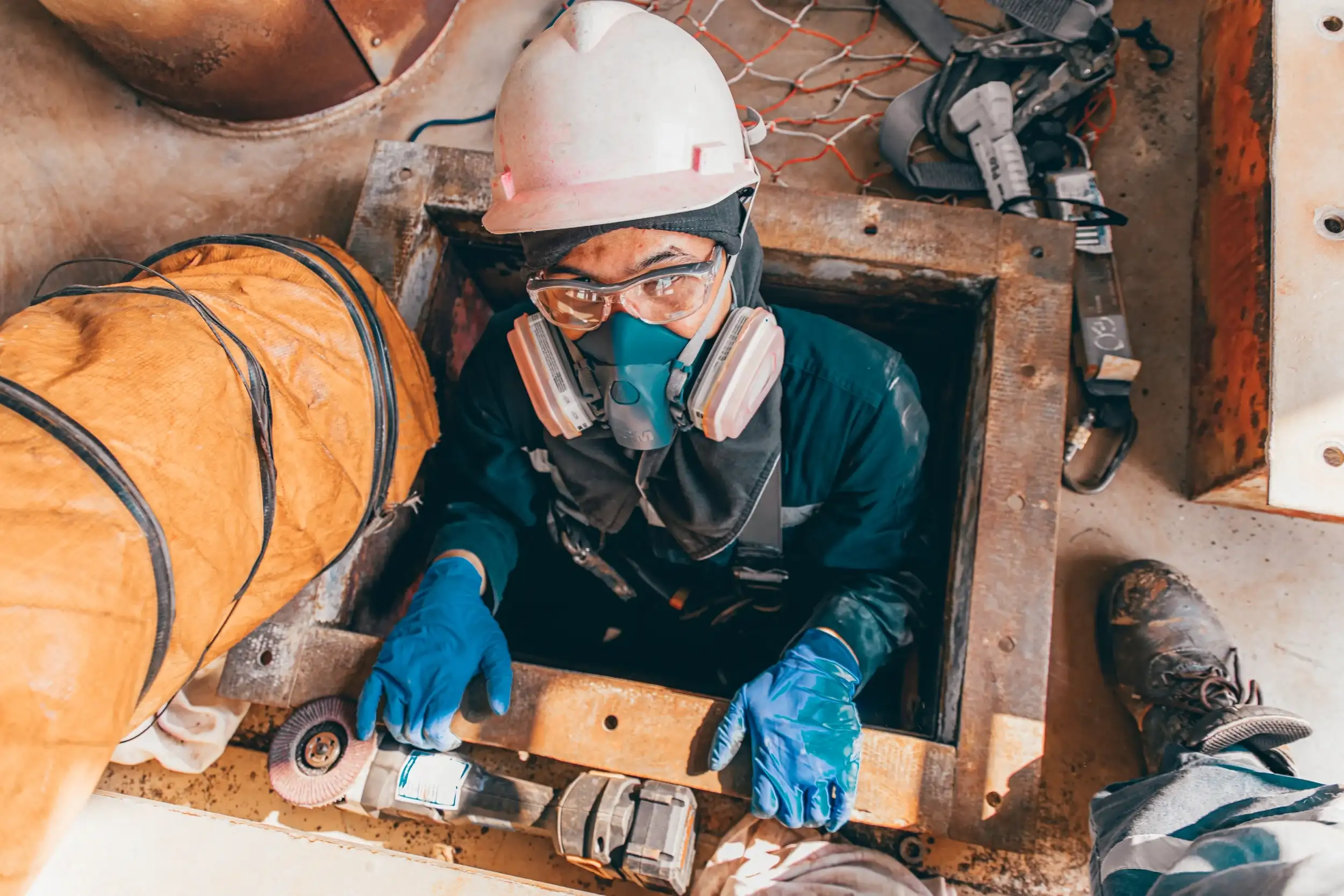
Confined Space Training Online | OSHA-Aligned
Meet OSHA safety standards with our confined space training. Learn regulations for entrants, attendants & supervisors. Enroll now!
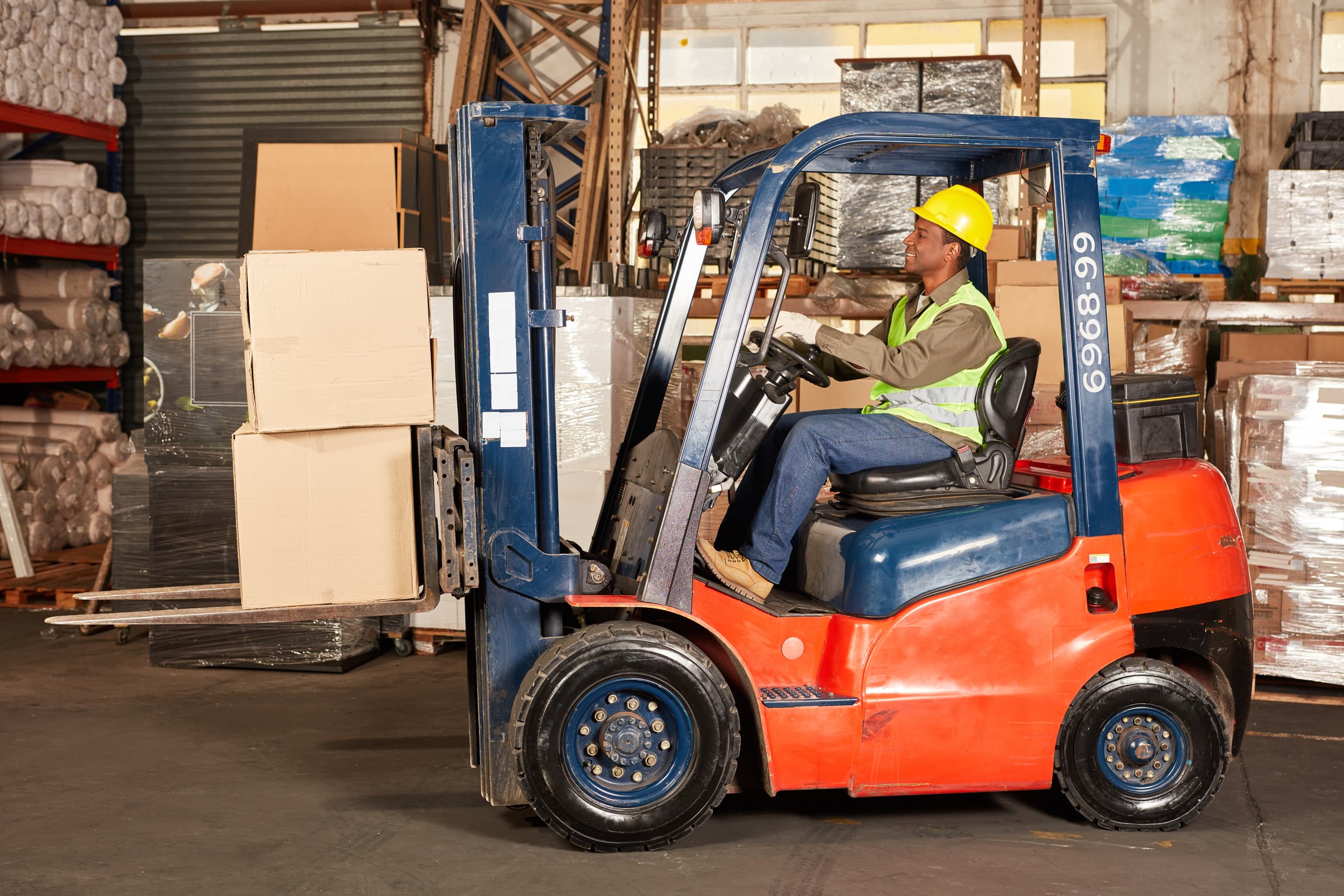
Sit Down Forklift Online Safety Training
This course will familiarize you with the regulations, responsibilities, and best practices as outlined in the CFR1910.178(a) requirements for forklift operators and forklift maintenance.