BUSINESS ACCOUNTS
Crude Oil Hazards
Online Training Certification Course
From the highest rated and most trusted online training company - since 2008.
Crude oil hazard training highlights the dangers of products distilled from crude oil and the consequences of oil spills. The online certification course content includes what happens over time when an oil spill occurs, health hazards of crude oil exposure, and physical hazards of crude oil. This crude oil hazard training covers identification, avoidance, and control of such hazards.
Crude oil, a fossil fuel, is extracted from underground through drilling. It is a base component for numerous products, including fuels, plastics, and petroleum products. For all its benefits, crude oil presents a variety of health hazards for workers in the oil and gas industry, as well as oil spill cleanup personnel.
This course is for:
This crude oil training course is designed for anyone who works in or around crude oil, such as individuals involved in oil spill cleanup operations. This safety training may help prevent serious injury in the workplace and save lives.
This course is intended for those persons working in or around crude oil, in particular those persons involved in oil spill cleanup activities.

Governing Regulations
Crude oil hazard training highlights the dangers of products distilled from crude oil and the consequences of oil spills. The online certification course content includes what happens over time when an oil spill occurs, health hazards of crude oil exposure, and physical hazards of crude oil. This crude oil hazard training covers identification, avoidance, and control of such hazards.
Crude oil, a fossil fuel, is extracted from underground through drilling. It is a base component for numerous products, including fuels, plastics, and petroleum products. For all its benefits, crude oil presents a variety of health hazards for workers in the oil and gas industry, as well as oil spill cleanup personnel.
What You'll Learn
Hazards overview
- What is crude oil and what can it be used for
- What are chemicals and how can they be helpful
- How chemicals/components in crude oil can be hazardous to people
- How chemicals/components in crude oil can be hazardous to the environment
- How crude oil distills naturally when a spill occurs
- What happens to crude oil over time when a spill occurs
- Hazards to persons from both crude oil spills and products distilled from crude oil
- Petrochemical workers
- Oil spill response workers
- Exposure routes of entry
- Contributing factors to the effects of exposure to crude oil
- Persons more at risk from exposure
- Some of the health hazards as a result of exposure
- Short-term effects of crude oil exposure
- Serious and long -erm effects of crude oil exposure
- Physical hazards of crude oil
- Highly flammable
- Ignition sources
- Special bonding and grounding systems
- Oxidizing agents
- Water-reactive substances (labeled "Dangerous When Wet")
- Hazards controls
- Engineering controls
- Administrative controls
- Personal Protective Equipment (PPE)
- GHS Hazards Communication standard
- Chemical labeling
- Safety Data Sheets
- Other documentation
- Exposure limits
- Permissible Exposure Limit (PEL)
- Threshold Limit Value (TLV)
- Training
- First aid
- Your responsibilities
Exam
Most of our courses take about two (2) hours to complete. If a final exam is included, you should plan for an additional 30 minutes. Courses that require additional training time will clearly state that in the course title or description.
You’ll have unlimited access during your enrollment or access period. Most CTO courses must be completed within 90 days of purchase. OSHA-authorized Outreach Training provides up to 180 days to finish the course and required survey. Timeframes vary depending on the specific course and regulatory requirements. Please refer to our Terms & Conditions for more details.
Because our courses are self-paced, you can log in and out as needed and complete your training on a schedule that works best for you.
Employers are responsible for training new personnel before assigning them to tasks that may expose them to hazards such as crude oil.
To ensure compliance with OSHA crude oil hazards standards, safety training must be conducted as needed to verify that personnel are able to perform tasks in a safe manner per 29 CFR 1910.1200. This oil certification course meets these training requirements.
NFPA 70E (2024): Standard for Electrical Safety in the Workplace
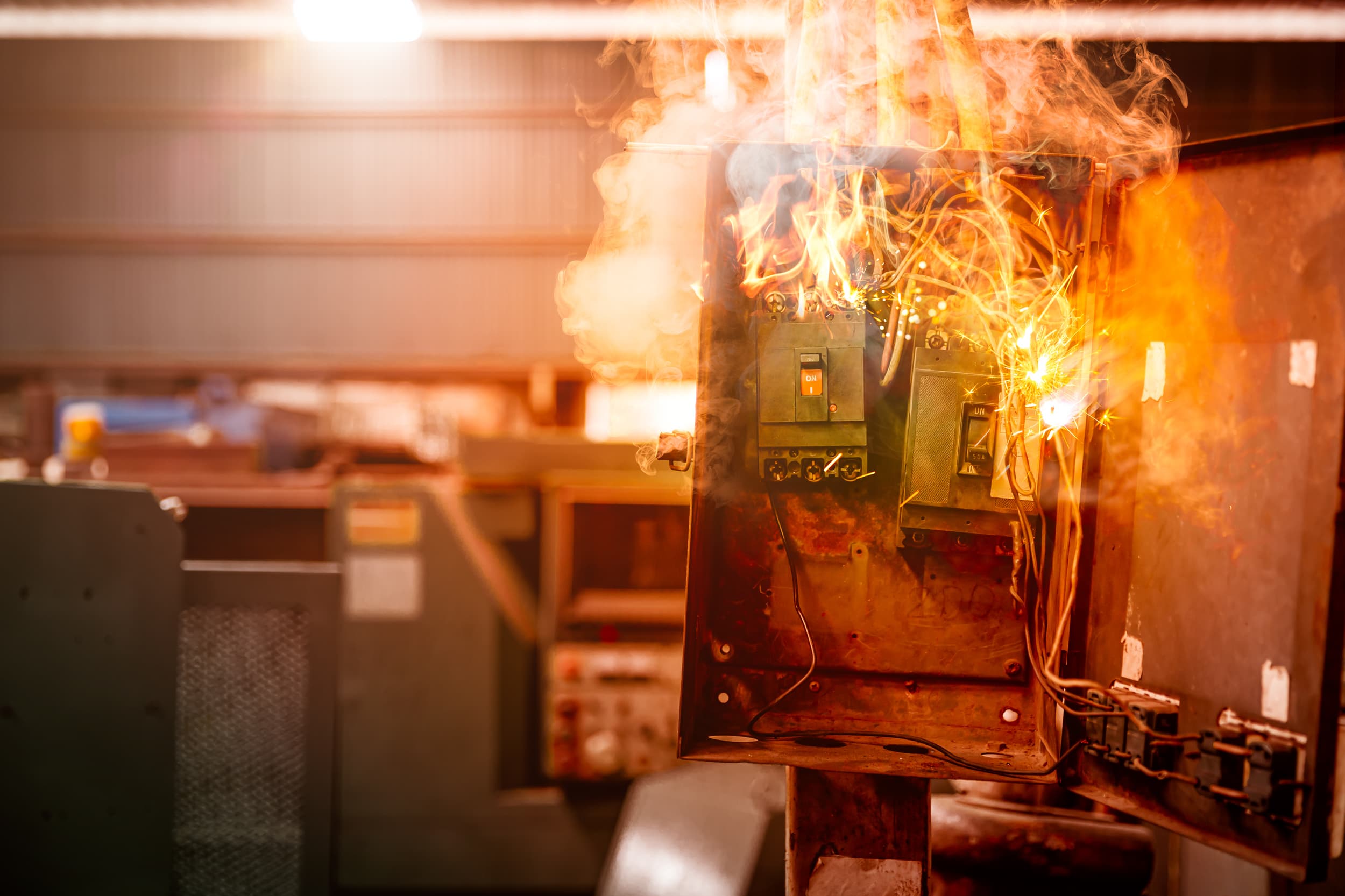
This course presents an overview of measures to reduce hazards presented by arc flash events. It will cover basic electrical concepts, circumstances that can present the risk of arc flashes...
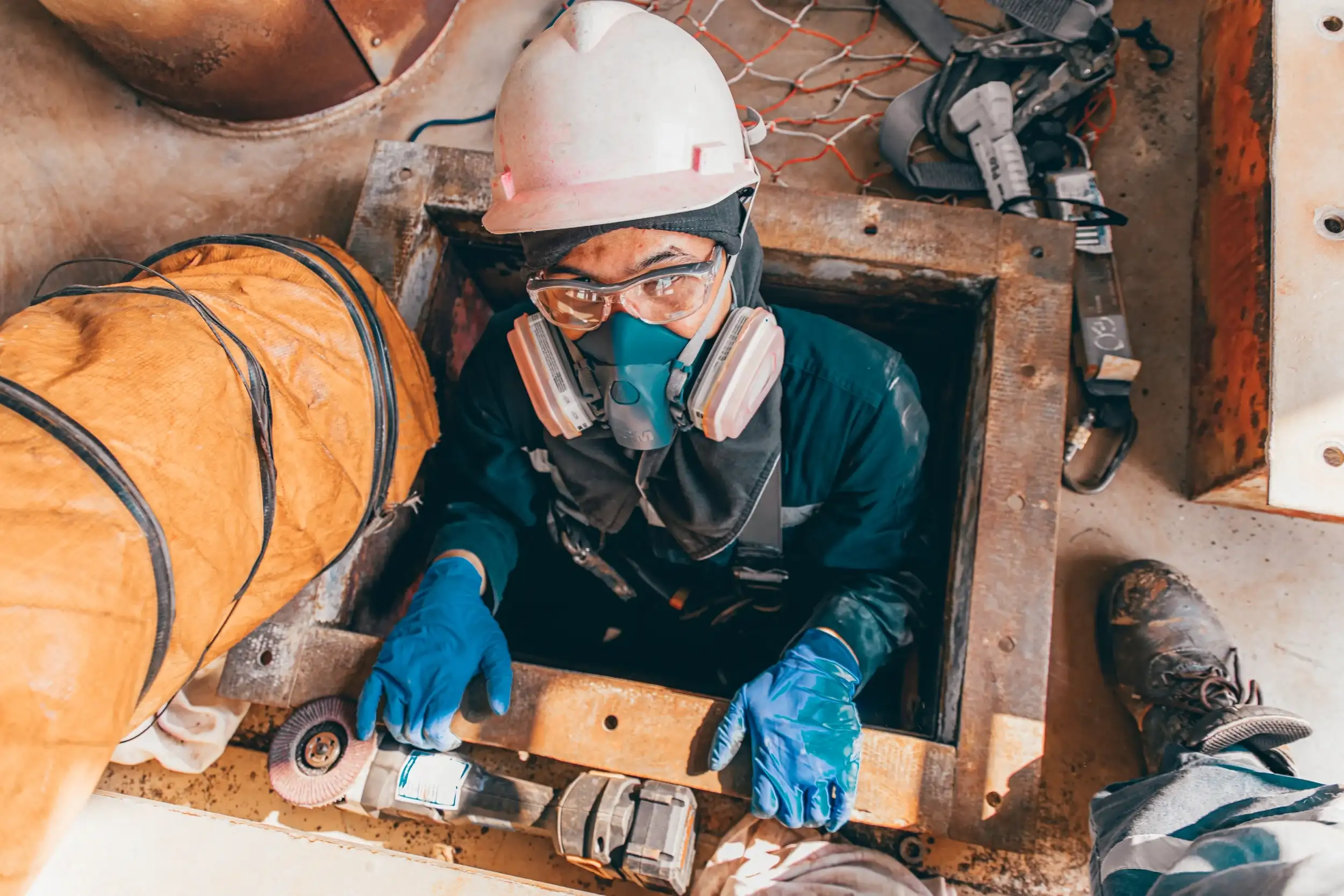
Confined Space Training Online | OSHA-Aligned
Meet OSHA safety standards with our confined space training. Learn regulations for entrants, attendants & supervisors. Enroll now!
Sit Down Forklift Online Safety Training
This course will familiarize you with the regulations, responsibilities, and best practices as outlined in the CFR1910.178(a) requirements for forklift operators and forklift maintenance.