BUSINESS ACCOUNTS
Dipping, Coating & Cleaning Operations
Online Training Certificate Course
29 CFR 1910.123-126
From the highest rated and most trusted online training company - since 2008.
This online training course provides an overview of the applicable regulations and hazards related to dipping, coating, and cleaning processes. Cleaning, dipping, and coating training course topics include modes and sources of exposure, as well as prescribed safety standards and practices.
Dipping, coating, and cleaning operations are involved in a variety of industrial processes. Dip tanks and dip tank coatings contain dangerous chemicals that can pose serious health problems. Workers are at risk of health and physical hazards such as toxic vapors, explosions, and chemical burns.
This course is for:
This OSHA training course is designed for anyone who works with chemicals used in dip tanks for dipping, coating, and cleaning processes. Examples include, but are not limited to, dip tank operations such as paint dipping, electroplating, tanning, degreasing, stripping, and roll coating.
Safety training may help prevent serious injury in the workplace and save lives. This online certification course meets the requirements set forth by OSHA.
Case Study: A large explosion and fire occurred at the Barton Solvents facility in Des Moines, Iowa, on October 29, 2007. The company packages, stores, and delivers solvents and other chemical products, many of which are widely used in the paint and coatings industry. An unidentified source ignited the ethyl acetate solvent being loaded into a 330-gallon square tank, called a tote. The operator who was filling the tote turned away momentarily when he heard what was described as a popping sound, which witnesses believe was a pressure relief device. A fireball then erupted from the tote. Pressure from the eruption knocked the filling nozzle out of the tank, spraying ethyl acetate into the room and onto the operator. His clothing ignited, but he quickly removed the ignited clothing and escaped serious injury. Another operator tried to use a hand-held extinguisher to battle the blaze, but it emptied before the fire could be extinguished. The second operator then shut off all power to the area and the plant was successfully evacuated. The flames spread quickly and eventually consumed and destroyed a large portion of the facility. Investigators believe that static electricity may have been the ignition source.
Key Takeaway: To reduce the risks associated with managing chemicals for industrial coating, it is important to ensure that any portable container used to add liquid to a tank is electrically bonded to the dip tank and positively grounded to prevent static electrical sparks or arcs.

Governing Regulations
The Occupational Safety and Health Act of 1970 created the Occupational Safety and Health Administration (OSHA). OSHA, an agency of the U.S. Department of Labor, is charged with the enforcement of safety and health conditions of workers through the use of regulations published in the Code of Federal Regulations. OSHA regulations are published in Title 29 of the Code of Federal Regulations. Part 1910 addresses general industry standards. OSHA 29 CFR 1910.123-126 addresses topics relevant to coating, cleaning, and dipping training.
What You'll Learn
Introduction to Dipping, Coating, and Cleaning Operations
- Key Terms
- Dipping and Coating - Overview
- Cleaning - Overview
- Flammable Liquids - Overview
- Dipping, Coating, and Cleaning - History
- Dipping, Coating, and Cleaning - Background
- Statistics for Dipping, Coating, and Cleaning Operations
- Applicable Regulations for Dipping, Coating, and Cleaning Operations
Dipping Operations
- Ventilation
- Exhaust Air and Cyanide
- Electrostatic Detearing
- Tempering and Hardening
- Coating Operations
Cleaning Operations
- Vapor Degreasing and Stripping
- Spray Cleaning
- Atomized Cleaning
- Non-atomized Cleaning
- Hand-wipe flush
Managing Dipping, Coating, and Cleaning Operations
- Compliance
- Overflow Piping and Housekeeping
- Bottom Drain and Conveyor System
- Fuel Sources
- Fire Protection
- Monitoring
- Record keeping
- Reporting
Controls
- Procedural Controls
- Engineering Controls
- Personal Protective Equipment
- Training
Summary
Additional Resources
Exam
Most of our courses take about two (2) hours to complete. If a final exam is included, you should plan for an additional 30 minutes. Courses that require additional training time will clearly state that in the course title or description.
You’ll have unlimited access during your enrollment or access period. Most CTO courses must be completed within 90 days of purchase. OSHA-authorized Outreach Training provides up to 180 days to finish the course and required survey. Timeframes vary depending on the specific course and regulatory requirements. Please refer to our Terms & Conditions for more details.
Because our courses are self-paced, you can log in and out as needed and complete your training on a schedule that works best for you.
Employers are responsible for training new personnel before assigning them to tasks that may expose them to hazards such as dipping, coating, and cleaning operations.
To ensure compliance with proper dipping, coating, and cleaning processes, safety training must be conducted whenever there are changes in the workplace or types of personal protective equipment, or when inadequacies in employees' knowledge or skills indicate the need for additional training to retain the necessary understanding to work safely. This dipping, cleaning, and coating training course meets these training requirements.
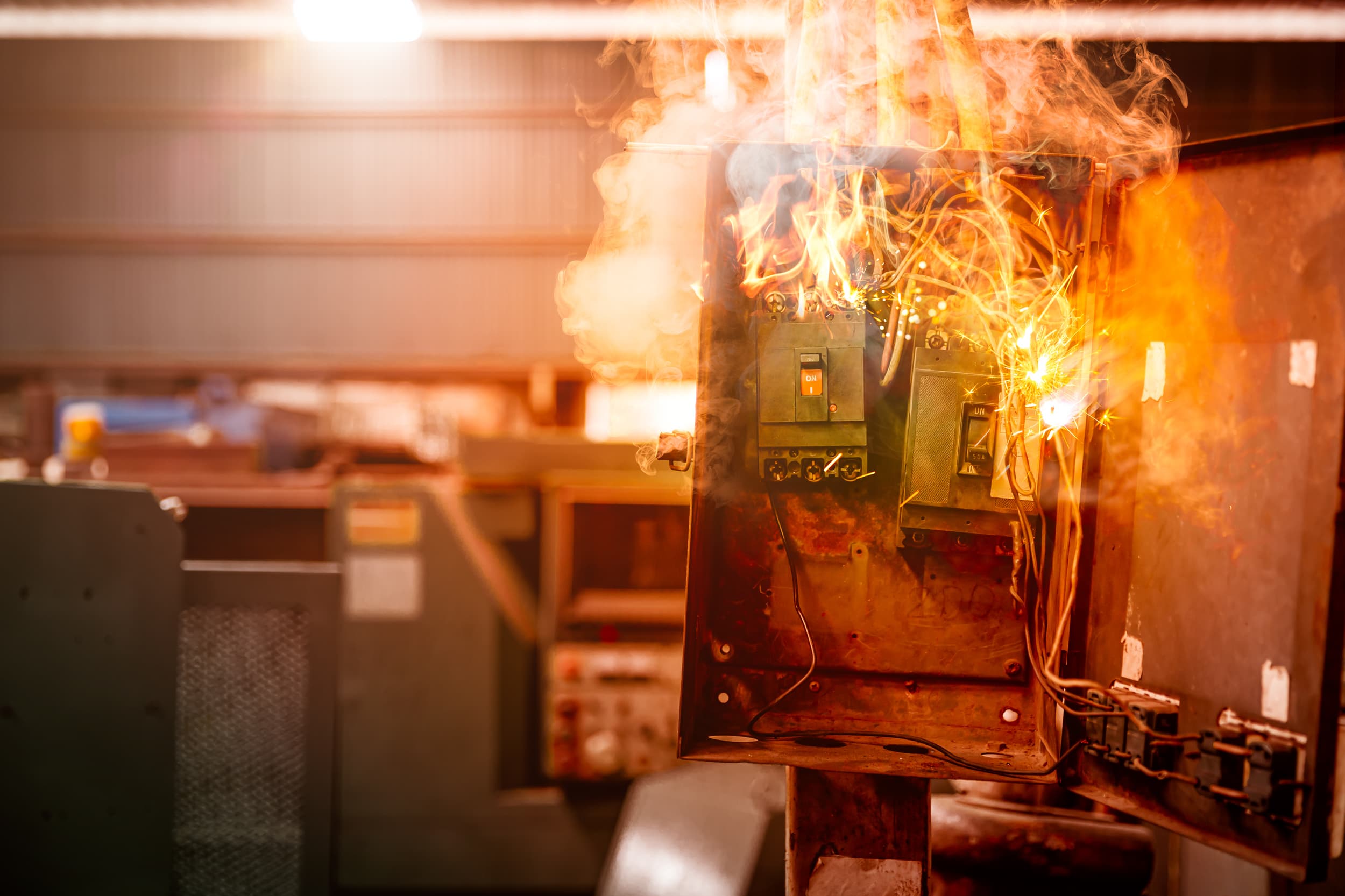
NFPA 70E (2024): Standard for Electrical Safety in the Workplace
This course presents an overview of measures to reduce hazards presented by arc flash events. It will cover basic electrical concepts, circumstances that can present the risk of arc flashes...
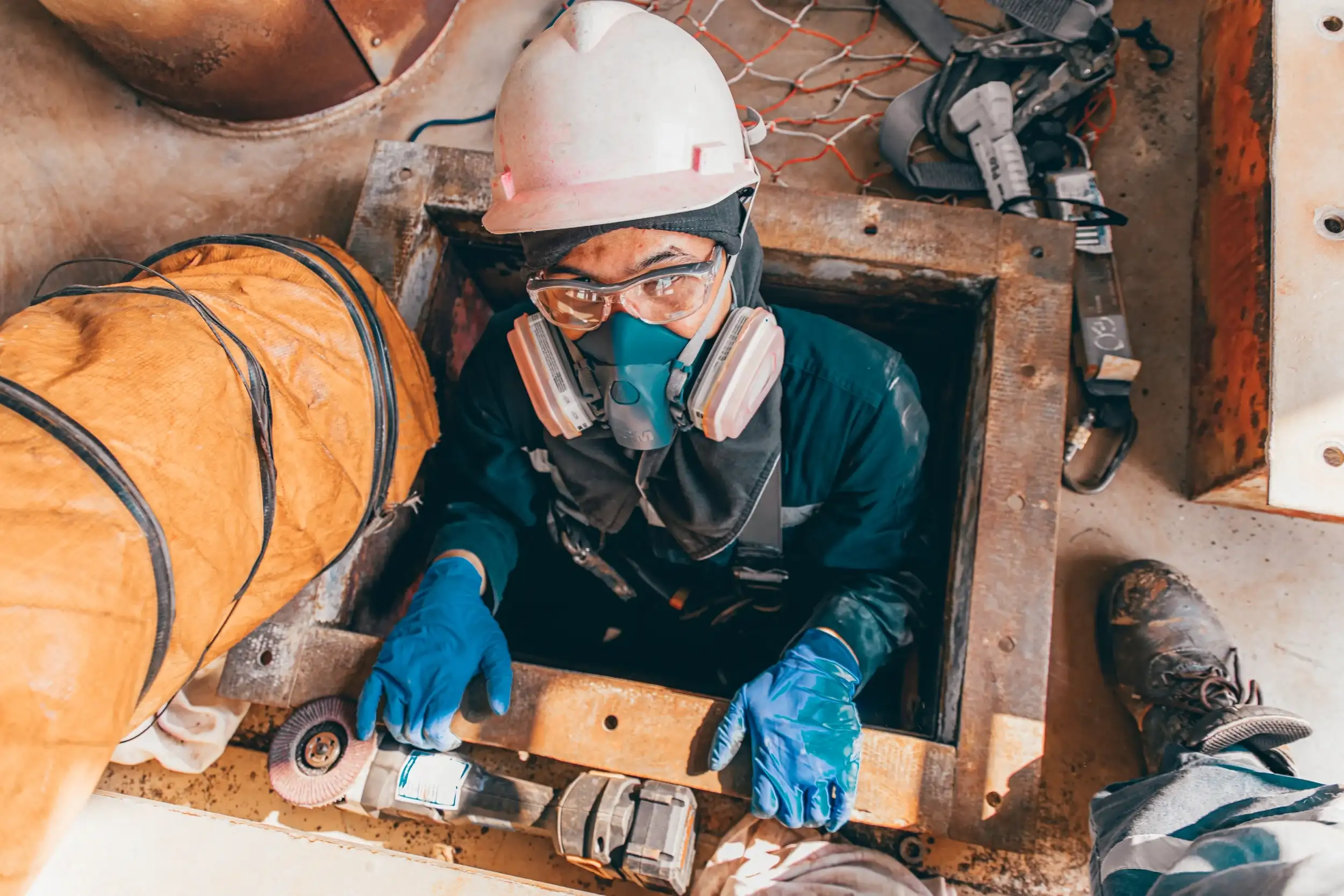
Confined Space Training Online | OSHA-Aligned
Meet OSHA safety standards with our confined space training. Learn regulations for entrants, attendants & supervisors. Enroll now!
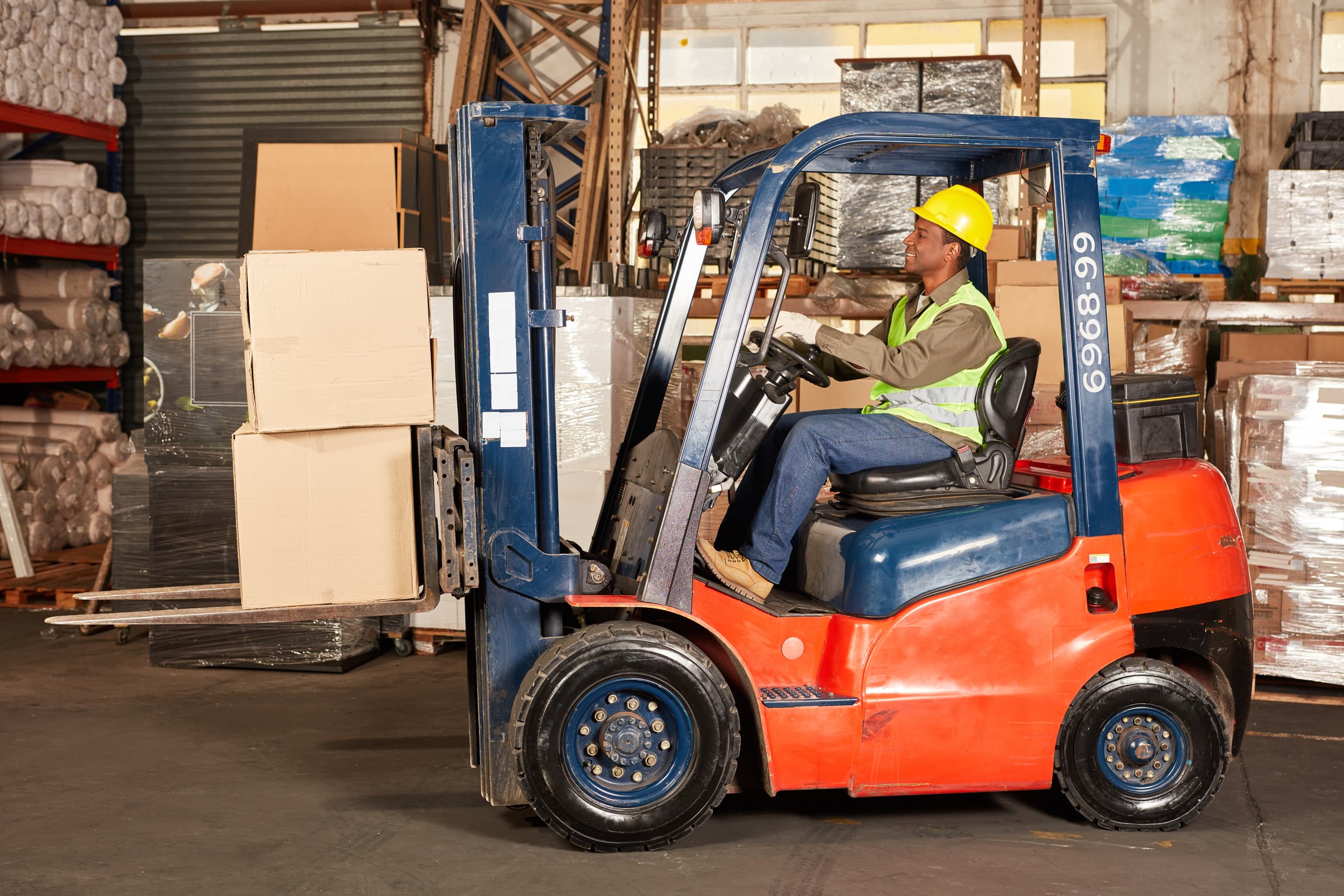
Sit Down Forklift Online Safety Training
This course will familiarize you with the regulations, responsibilities, and best practices as outlined in the CFR1910.178(a) requirements for forklift operators and forklift maintenance.