CONTACT
Hazard Communication (HazCom, GHS) Online Training
Online Training Certification Course
29 CFR 1910.1200
From the highest rated and most trusted online training company - since 2008.
This course is offered in partnership with Hard Hat Training, a 360training™ company.
This OSHA hazard communication training covers a variety of topics related to GHS chemical hazard communication. This includes, but is not limited to, ensuring proper chemical labeling, the importance of safety data sheets (SDSs), and the necessity of creating a written hazard communication program based on the GHS Hazard Communication Standard.
The OSHA "right to know" standard, also known as the Hazard Communication Standard, protects employees from hazardous chemicals used or stored in the workplace. In 2012, OSHA incorporated the Globally Harmonized System of Classification and Labeling of Chemicals (GHS), which makes it easier to correctly classify and communicate hazards. This new GHS HAZCOM system also updated the requirements for safety data sheets and chemical labels.
This course is in partnership with Hard Hat Training. Hard Hat Training and Compliance Training Online™ are divisions of the 360training™.
This course is for:
This GHS HAZCOM training is designed for anyone who works with or around hazardous chemicals in their workplace. This includes, but is not limited to, healthcare workers, emergency responders, automotive workers, cleaning operations personnel, pest control/lawn care workers, plumbers, HVAC technicians, and all industries where employees are exposed to hazardous chemicals. This safety training may help prevent serious injury in the workplace and save lives.
This online certification course meets the requirements set forth by OSHA for the Hazard Communication standard.
Case Study: A bathtub refinisher working in a privately owned residence was fatally overcome by chemical exposure. He had been working in a bathroom with the door closed, but when the homeowner tried to check on the progress of the work, the door could not be opened. Concerned, the homeowner called emergency services, and the crew from the fire department forced the door open. A heat lamp and sprayer were still operating, and the room smelled strongly of chemicals. Apparently overcome by the fumes, the bathtub refinisher had become unconscious and slumped against the door. He was pronounced dead by the firefighters.
Key Takeaway: Working with hazardous chemicals requires a high level of vigilance about the dangers they pose. In this case, the refinisher appears to have prioritized the containment of the smelly fumes over his own safety. Workers should always carefully consider the risks associated with any hazardous chemicals and make safety a priority.
Available languages: 100+ languages - translation provided by Google Translate (Select Language bottom of page)

Governing Regulations
The Occupational Safety and Health Act of 1970 created the Occupational Safety and Health Administration (OSHA). OSHA, an agency of the U.S. Department of Labor, is charged with the enforcement of safety and health conditions of workers through the use of regulations published in the Code of Federal Regulations. OSHA regulations are published in Title 29 of the Code of Federal Regulations. Part 1910 addresses general industry standards. The requirements for the GHS Hazard Communication Standard are found in 29 CFR 1910.1200.
What You'll Learn
Introduction to Hazard Communication for General Industry
- Background Information about the Standard
- Major Changes to the Standard
- Importance of the Standard
- Key Terms
- Employer and Employee Responsibilities
- Employee Training
Chemical Hazards
- Routes of Entry
- Recognition of Health Hazards
- Health Effects of Chemical Hazards
- Chemical Agents and Their Health Effects
Written Hazard Communication Program
- Additional Requirements of the Written Hazard Communication Program
- Hazard Inventory
- Hazard Classification
- Labels
- HMIS and NFPA Labeling Systems
- HMIS Labeling System
- NFPA Labeling System
- Safety Data Sheets
- Exposure Controls: Elimination and Substitution
- Exposure Controls: Engineering and Work Practice Controls
- Exposure Controls: Personal Protective Equipment
Written Hazard Communication Program
- Employee and Employer Rights and Responsibilities
- Employee Rights and Responsibilities
- Employer Responsibilities
- Training
- Communicating Hazards and Labeling
- Elements of an Exposure Control Plan
- Housekeeping
- Sharps Injury Log
- Record Keeping
Precautions, Controls, and Guidelines
- Universal Precautions
- Engineering and Work Practice Controls
- Needleless Systems and Engineered Sharp Protection
- General Safety Practice Review
- Personal Protective Equipment
- Available PPE
- Laundering PPE per the Bloodborne Pathogens Standard
- Removal of PPE
Blood-borne Pathogens
- OSHA's Blood-borne Pathogens Standard
- Requirements of the Blood-borne Pathogens Standard
- General Safety Practices
Emergency Planning and Community Right-to-Know Act (EPCRA)
- Emergency Planning and Emergency Release Notification
- Annual Inventory
- Toxics Release Inventory
- EPCRA Inspections
Summary
Additional Resources
- Exam
Our online courses will take at least 2 hours to complete, including the final exam, unless a different timeframe is specified in the course details. The learner may log on and off as needed. When they log back in, the course will return to where they left off.
Unless otherwise indicated in the course details, learners have 60 days from the date of enrollment to complete the course. During this time, participants can log out and back in to return to where they left off in the course. The only exception is the final exam, which must be completed in a single sitting.
Learners who do not complete the course within 60 days will have their enrollment disabled and not be eligible for a refund. Please review our Terms & Conditions for details.
Employers are responsible for training new personnel before assigning them to tasks that may expose them to chemical hazards.
To ensure compliance with OSHA GHS hazard communication training requirements, safety training must be conducted whenever new hazards are introduced into the employees' work areas per OSHA 1910.1200. This HAZCOM online training course meets these training requirements.
NFPA 70E (2024): Standard for Electrical Safety in the Workplace
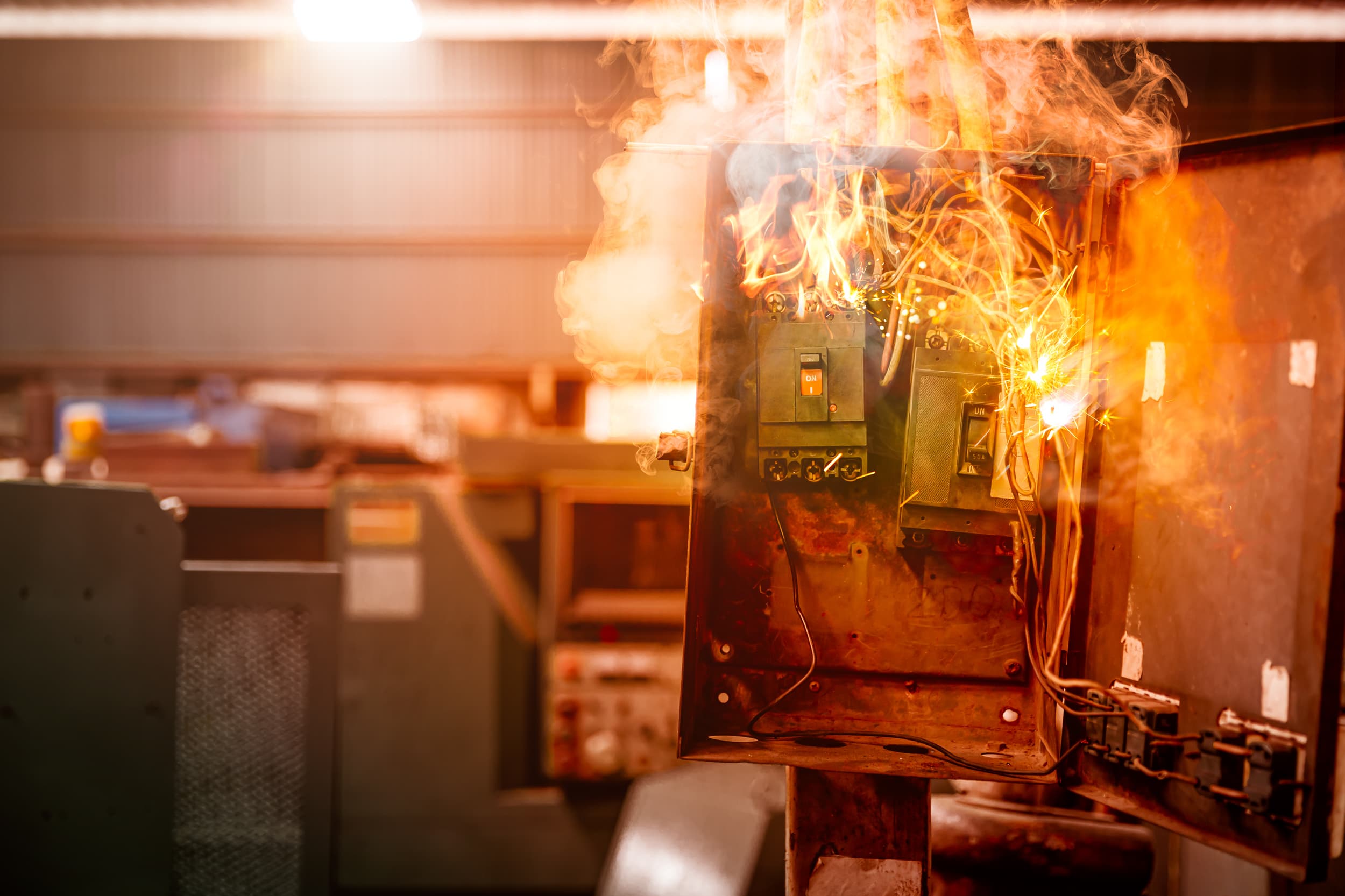
This course presents an overview of measures to reduce hazards presented by arc flash events. It will cover basic electrical concepts, circumstances that can present the risk of arc flashes...
Confined Space Training Online | OSHA-Aligned
Meet OSHA safety standards with our confined space training. Learn regulations for entrants, attendants & supervisors. Enroll now!

Sit Down Forklift Online Safety Training
This course will familiarize you with the regulations, responsibilities, and best practices as outlined in the CFR1910.178(a) requirements for forklift operators and forklift maintenance.