BUSINESS ACCOUNTS
Machine Guarding Online Training
Online Training Certificate Course
29 CFR 1910.212
From the highest rated and most trusted online training company - since 2008.
This course is offered in partnership with Hard Hat Training, a 360training™ company.
Machine guarding safety training helps prevent machine-related injuries. OSHA machine guarding requirements are part of an organization's safety program, and training on how to operate machine guards properly helps workers understand the hazards associated with different machines and how guards protect them from harm. This machine guard training course details methods of machine guarding, employer/employee responsibilities, and potential safeguards for different types of machinery and equipment.
Machines help workers perform tasks they would not otherwise be able to accomplish, but they also present a severe risk of workplace injuries such as cuts, broken bones, amputations, and even death. Moving machine parts pose dangers to machine operators, and anyone in the vicinity of a machine can be struck by flying debris. Machine guards are designed to protect workers from the risk of injury while they are at work.
This course is in partnership with Hard Hat Training. Hard Hat Training and Compliance Training Online™ are divisions of the 360training™.
This course is for:
This OSHA machine guarding training is designed for anyone who works in or around machinery that possesses hazards such as those created by point of operation, ingoing nip points, rotating parts, flying chips, and sparks. This safety training may help prevent serious injury in the workplace and save lives.
Case Study: A worker operating a metal lathe was killed when his shirt became entangled on a piece of metal bar stock protruding from the tailstock. Although no one saw the incident, it is likely that the worker leaned over or walked behind the machine to get a tool from one of the shelves located behind the lathe. As his upper body moved closer to the machine, his shirt was caught on the bar stock and his shirt was then pulled tight around his neck and chest. A coworker noticed the situation and ran for help. Once the machine was shut down, the worker was taken to the hospital. He later died due to a brain injury from strangulation. The piece of bar stock that entangled his shirt was less than two inches long and one inch wide.
Key Takeaway: Workers should keep clear of all rotating machine parts, as rotating is categorized as a hazardous motion. In addition, employers should take measures to safeguard all moving parts to prevent injury such as this; even the smallest machine part can be dangerous. Employers must also provide adequate working space around dangerous equipment. Had the worker not needed to access shelves located behind the machine, or had the hazard been addressed and the rotating piece properly guarded, this situation may not have occurred.
Available languages: 100+ languages - translation provided by Google Translate (Select Language bottom of page)

Governing Regulations
The Occupational Safety and Health Act of 1970 created the Occupational Safety and Health Administration (OSHA). OSHA, an agency of the U.S. Department of Labor, is charged with the enforcement of safety and health conditions of workers through the use of regulations published in the Code of Federal Regulations. OSHA regulations are published in Title 29 of the Code of Federal Regulations. Part 1910 covers general industry regulations. This machine guarding training course references OSHA 29 CFR 1910.212, which identifies machinery and machine guarding general requirements for all machines.
What You'll Learn
Introduction to OSHA Machine Guarding Safety Training
- Definitions and Key Terms
- Regulations for Machine Guards
- Machine Parts That Require Guarding
- Hazardous Motions and Actions
Methods of Machine Guarding
- Guards
- Devices
- Location and Distance Guarding Methods
- Feeding and Ejection Methods
Saws and Potential Safeguards
- Straight-line/Gang Rip Saws
- Cut-off Saws
- Band Saws
- Radial Saws
- Scroll Saws and Chop Saws
- Miter Saws
- Hand-held Saws
Presses and Brakes and Potential Safeguards
- Hydraulic, Pneumatic, and Hydra-mechanical Presses
- Power Press Brakes and Mechanical-friction Clutch Presses
Plastics Machinery and Potential Safeguards
- Horizontal Injection Molding Machines
- Thermoforming Machines
Employer and Employee Responsibilities
Employee Responsibilities
Common Machine-Guarding Safety Violations
Lockout/Tagout Method
Summary
Additional Resources
Exam
Our online courses will take at least 2 hours to complete, including the final exam, unless a different timeframe is specified in the course details. The learner may log on and off as needed. When they log back in, the course will return to where they left off.
Unless otherwise indicated in the course details, learners have 60 days from the date of enrollment to complete the course. During this time, participants can log out and back in to return to where they left off in the course. The only exception is the final exam, which must be completed in a single sitting.
Learners who do not complete the course within 60 days will have their enrollment disabled and not be eligible for a refund. Please review our Terms & Conditions for details.
Employers are responsible for training new personnel before assigning them to tasks that may expose them to hazards such as moving machine parts.
To ensure compliance with machine guard training, safety training must be conducted periodically and as-needed to ensure the work environment is free from recognized hazards. Refresher training should also occur whenever changes to the worksite, equipment, or tasks render previous training obsolete. OSHA standards related to machine guarding do not specify a time frame for required retraining or; however, the OSH Act General Duty Clause defines that each employer must ensure that worksites are free from recognized hazards. This online certification course meets these training requirements.
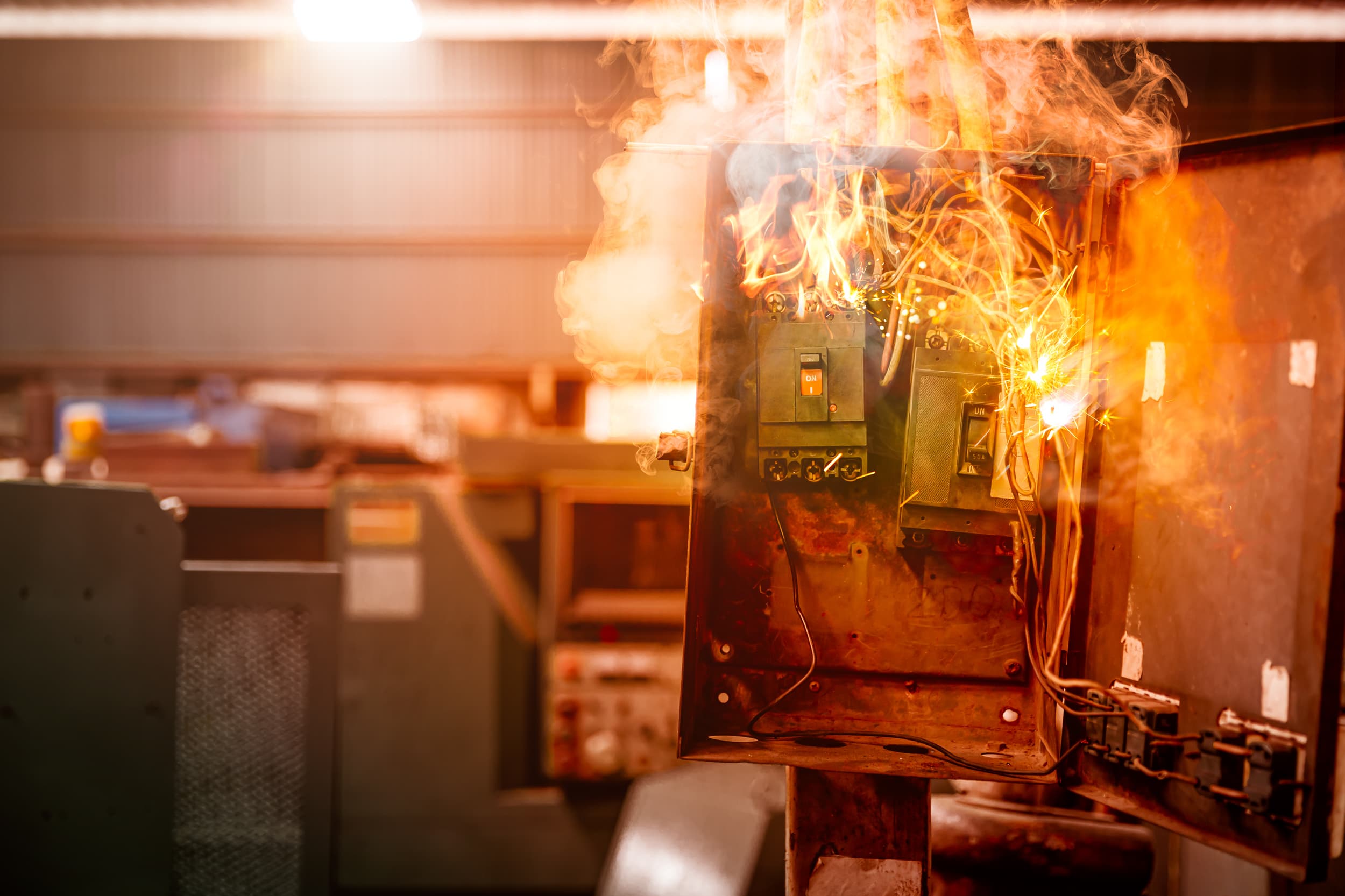
NFPA 70E (2024): Standard for Electrical Safety in the Workplace
This course presents an overview of measures to reduce hazards presented by arc flash events. It will cover basic electrical concepts, circumstances that can present the risk of arc flashes...
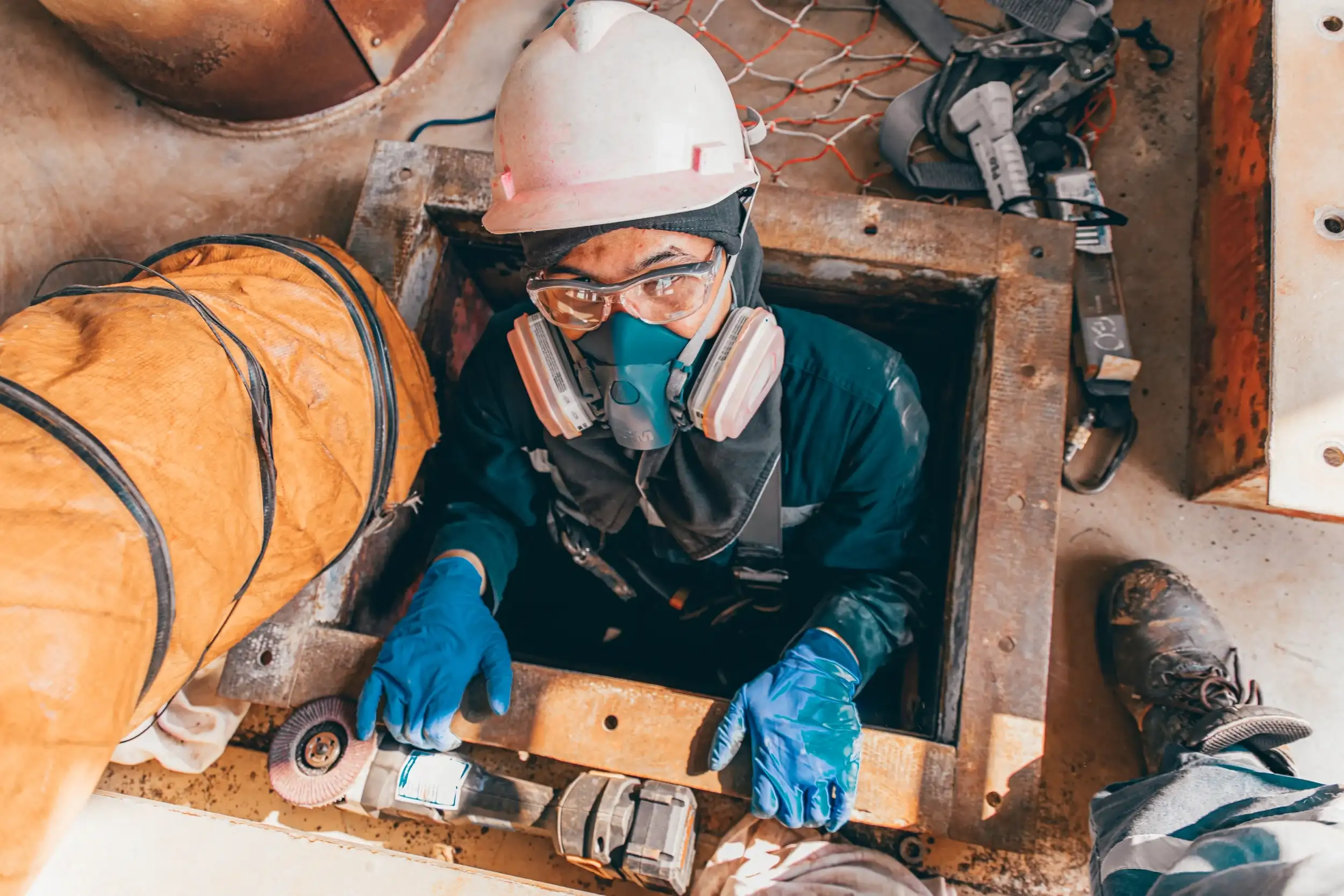
Confined Space Training Online | OSHA-Aligned
Meet OSHA safety standards with our confined space training. Learn regulations for entrants, attendants & supervisors. Enroll now!
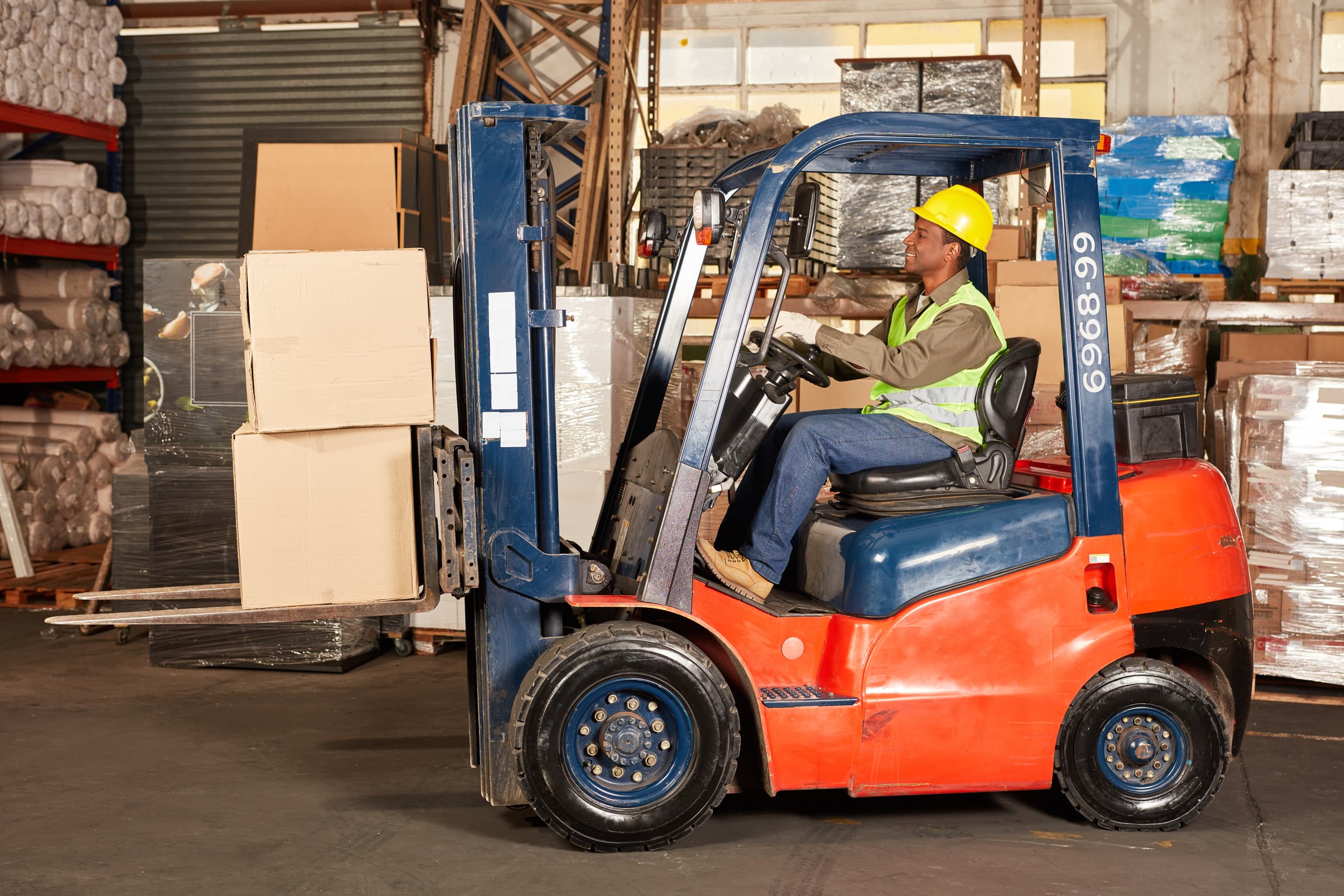
Sit Down Forklift Online Safety Training
This course will familiarize you with the regulations, responsibilities, and best practices as outlined in the CFR1910.178(a) requirements for forklift operators and forklift maintenance.