BUSINESS ACCOUNTS
Basics of Petroleum Refining
Online Training Certificate Course
From the highest rated and most trusted online training company - since 2008.
This course is offered by 360training®. Compliance Training Online™ is a division of 360training.
Petroleum refining involves complex chemical processes and high-risk equipment, making safety training essential for anyone working in or around refineries. This course helps participants understand the characteristics of crude oil, petroleum chemistry fundamentals, and the distillation process. You’ll also learn about basic refinery flow configurations, how refiners blend products for specific uses, and how market trends and environmental regulations impact refinery profitability and operations.
This course is offered by 360training. Compliance Training Online is a division of 360training.
This course is designed for workers, supervisors, and contractors involved in the petroleum refining industry. It’s ideal for new employees, support personnel, and anyone seeking to strengthen their knowledge of workplace safety in refining environments.
Case Study: A 29-year old male had been working as a derrickman on an oil rig for about four years. One day, after four hours of tripping pipe (removing or replacing pipe from the well bore in order to change the drill bit or perform other tasks) on the drilling rig, the derrickman took a lunch break. After lunch, he hooked up to the climb assist and climbed back up to the derrick board. Unfortunately, after unhooking from the climb assist, he did not attach his fall protection device. The derrickman grabbed the first stand of pipe with the tail rope (a rope attached to a D-ring on the safety belt and the railing that is designed to prevent the derrickman from falling off the derrick). The tail rope helped the derrickman to keep his balance as the elevators were being sent up to attach to the pipe. However, when he let go of the tail rope, he lost his balance and fell 90 feet to his death on the rig floor.
Key Takeaway: Providing safety equipment is only part of the solution to prevent injuries and death from slipping, tripping, and falling. Workers must also be trained about how to use the equipment. And, employers must enforce the implementation of safety precautions and the required use of safety equipment.

Governing Regulations
Petroleum refining operations are subject to a range of federal safety and health regulations designed to protect workers from industry-specific hazards. These regulations aim to ensure safe working conditions throughout all phases of oil and gas operations, from extraction to refining.
Oversight is primarily provided by the Occupational Safety and Health Administration (OSHA), established under the Occupational Safety and Health Act of 1970. OSHA regulations are published in Title 29 of the Code of Federal Regulations and are enforced across both general industry and construction activities.
Key governing regulations include:
- 29 CFR Part 1910 – OSHA General Industry Standards
- 29 CFR Part 1926 – OSHA Construction Industry Standards
- OSH Act General Duty Clause – Employer responsibility to provide a safe workplace
What You'll Learn
Topics Covered
- Characteristics of Crude Oil
- Fundamentals of Petroleum Chemistry
- Fundamentals of Crude Oil Distillation
- Basic Refinery Flow Configuration
- Product Bending and Usage
- Refinery Economics and Trends
Learning Objectives
By the end of this course, you will be able to:
- Recognize the important processes in a petroleum refinery and describe their functions.
- Identify the key properties of the major refinery products.
- Describe the characteristics of crude oils, including the differences between light and heavy crudes.
- Determine whether the current economic environment is favorable for refinery profits or not, based on the prices of crude oil, gasoline, and diesel fuel.
- Identify important trends in the petroleum refining industry.
- Describe how government environmental regulations affect petroleum refiners.
Most of our courses take about two (2) hours to complete. If a final exam is included, you should plan for an additional 30 minutes. Courses that require additional training time will clearly state that in the course title or description.
You’ll have unlimited access during your enrollment or access period. Most CTO courses must be completed within 90 days of purchase. OSHA-authorized Outreach Training provides up to 180 days to finish the course and required survey. Timeframes vary depending on the specific course and regulatory requirements. Please refer to our Terms & Conditions for more details.
Because our courses are self-paced, you can log in and out as needed and complete your training on a schedule that works best for you.
Employers are responsible for training new personnel before assigning them to tasks that may expose them to hazards inherent to oil and gas extraction operations.
To ensure compliance with OSHA oil and gas extraction regulations, safety training must be conducted periodically and as-needed to ensure the work environment is free from recognized hazards. Refresher training should also occur whenever changes to the worksite, equipment, or tasks render previous training obsolete. OSHA standards related to oil and gas extraction do not specify a time frame for required retraining; however, the OSH Act General Duty Clause defines that each employer must ensure that worksites are free from recognized hazards. This gas and oil drill training online course meets these training requirements.
NFPA 70E (2024): Standard for Electrical Safety in the Workplace
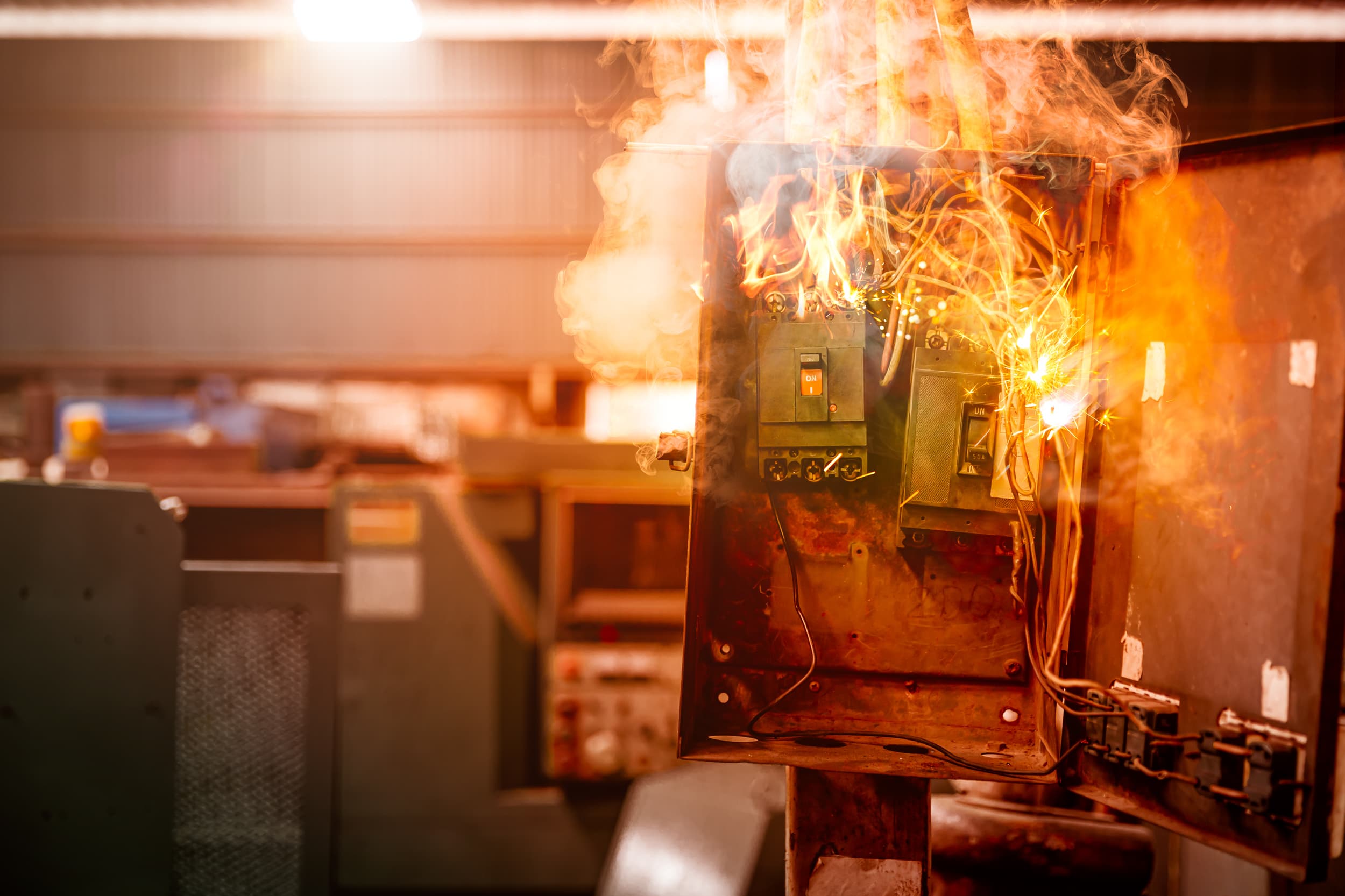
This course presents an overview of measures to reduce hazards presented by arc flash events. It will cover basic electrical concepts, circumstances that can present the risk of arc flashes...
Confined Space Training Online | OSHA-Aligned
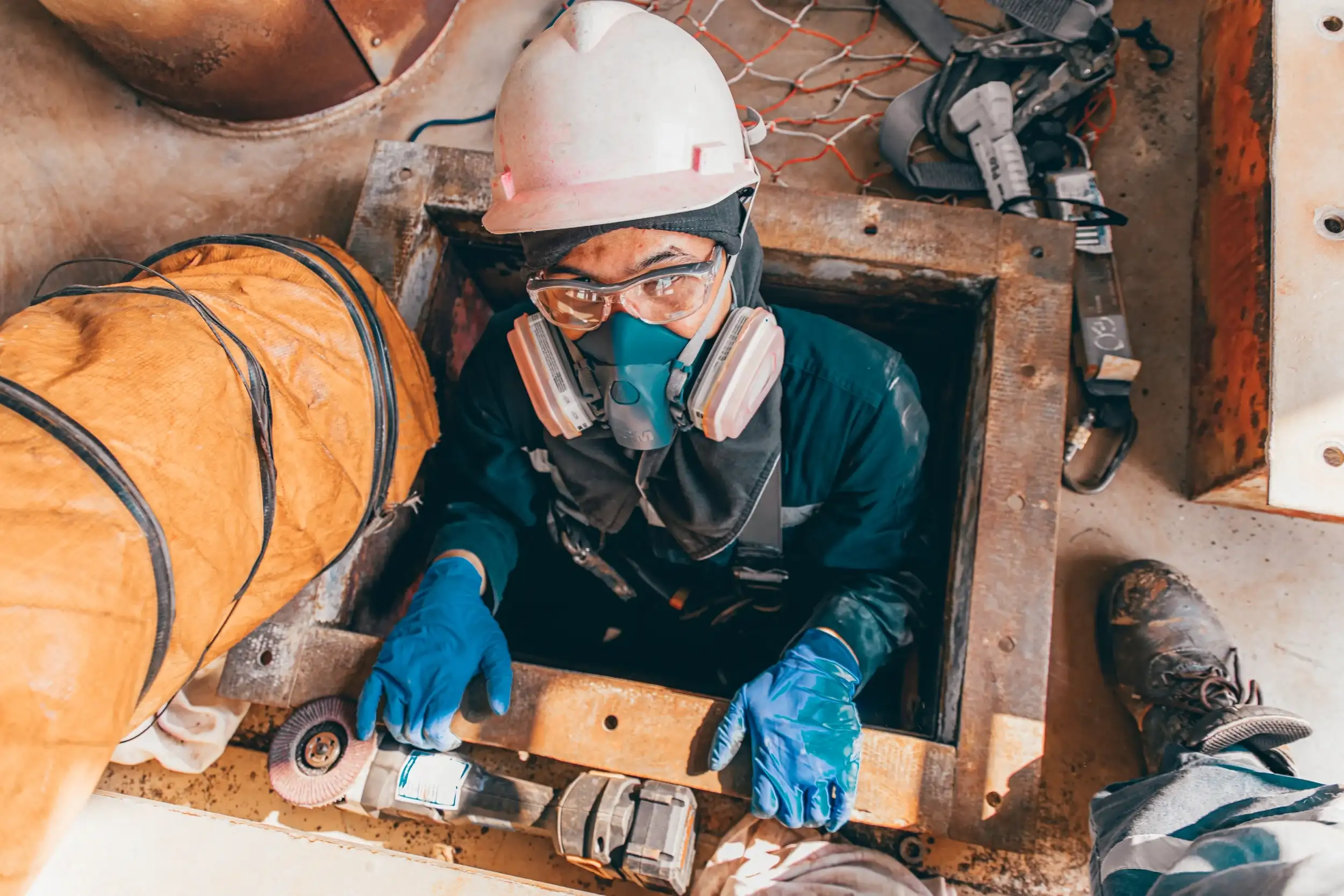
Meet OSHA safety standards with our confined space training. Learn regulations for entrants, attendants & supervisors. Enroll now!
Sit Down Forklift Online Safety Training
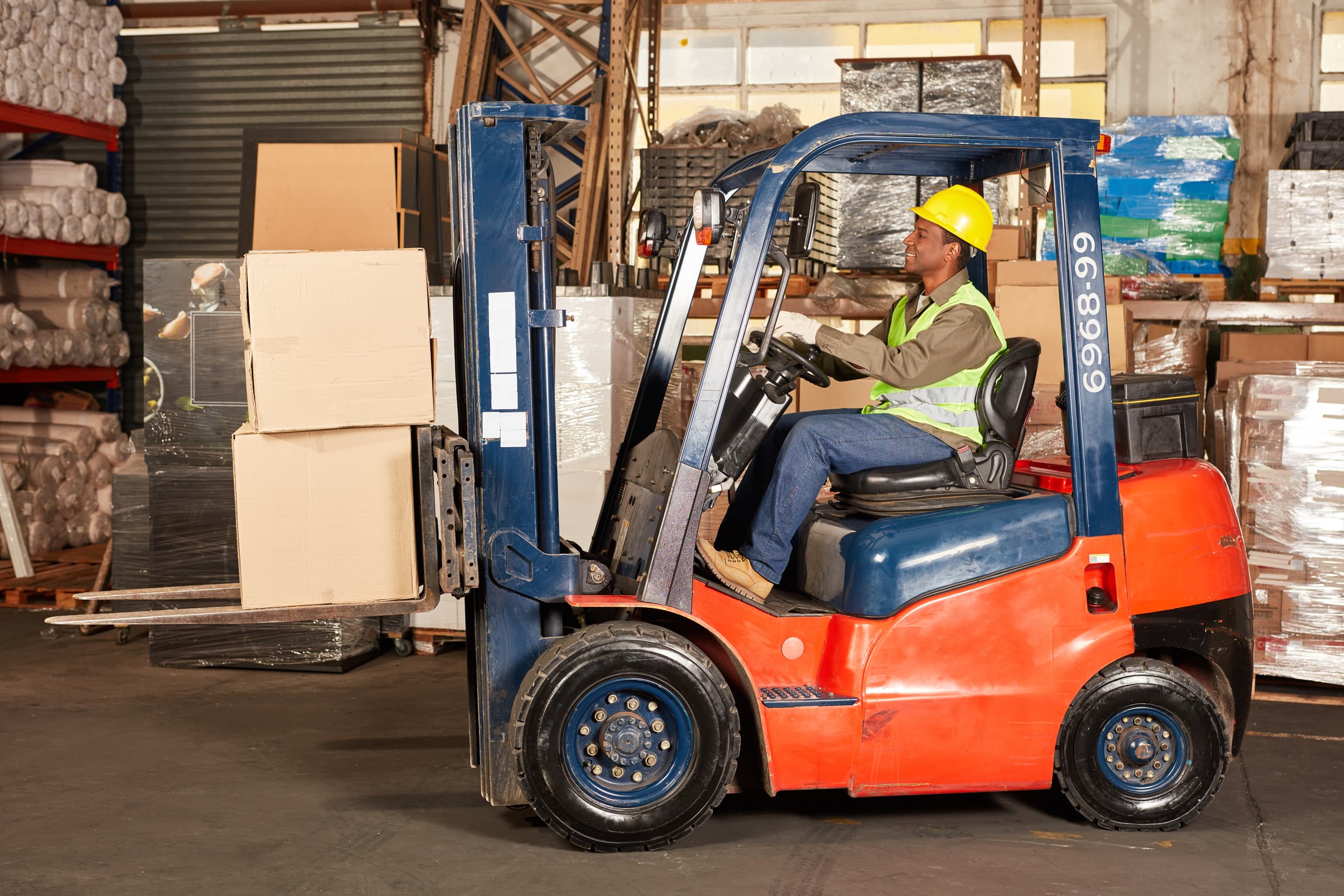
This course will familiarize you with the regulations, responsibilities, and best practices as outlined in the CFR1910.178(a) requirements for forklift operators and forklift maintenance.