BUSINESS ACCOUNTS
OSHA 10 Hour General Industry Training with Free Study Guide
This course is offered by 360training®, an OSHA-authorized Online Outreach Provider. Compliance Training Online™ is a division of 360training®.
The OSHA 10 General Industry course is a 10-hour online safety training program designed for entry-level workers outside of construction, maritime, or agriculture. In this course, you'll learn to identify and respond to key hazards such as chemical exposures, machinery accidents, and electrical risks. Upon finishing the course, you will receive a course completion card from the U.S. Department of Labor (DOL). This training empowers employees by clarifying their rights and responsibilities, while offering practical strategies to prevent accidents and injuries, helping to create a safer and more accountable work environment.
This course is offered by 360training, an OSHA-authorized Online Outreach Provider. Compliance Training Online™ is a division of 360training.
OSHA 10-Hour General Industry Training is intended for entry-level workers in industries such as healthcare, manufacturing, cosmetology, automotive, warehousing, distribution, maintenance, electrical, entertainment, and others that fall under general industry. This training promotes workplace safety and informs workers of their safety rights, with all employers required to provide basic safety education.
Note that this course is not designed for construction workers, who must complete the OSHA 10-Hour Outreach Construction Course instead.

Governing Regulations
Workplace safety and health in general industry are regulated by the Occupational Safety and Health Administration (OSHA). OSHA is a U.S. federal agency dedicated to ensuring safe and healthful working conditions by setting and enforcing standards, as well as providing training, outreach, education, and assistance. These regulations are designed to protect workers from hazards such as exposure to dangerous chemicals, machinery accidents, falls, and other workplace risks.
The United States Code of Federal Regulations (CFR) compiles the rules and regulations of the U.S. government, including those enforced by OSHA. OSHA’s regulations for general industry are primarily found in Title 29 of the CFR, which is divided into various parts addressing specific safety and health topics.
Key governing regulations for general industry include:
- 29 CFR Part 1910 – Occupational Safety and Health Standards for General Industry
- Hazard Communication Standard (29 CFR 1910.1200) – Governing the proper labeling and handling of hazardous chemicals
- Control of Hazardous Energy (Lockout/Tagout) (29 CFR 1910.147) – Establishing procedures to prevent accidental machine startups during maintenance
- Personal Protective Equipment (PPE) Requirements – Guidelines for selecting and using appropriate PPE to protect workers
What You'll Learn
Topics Covered
- Introduction to OSHA
- Walking & Working Surfaces, including Fall Protection
- Exit Routes, Emergency Action Plans, Fire Prevention Plans and Fire Protection
- Electrical
- Personal Protective Equipment
- Hazard Communication
- Machine Guarding Safety
- Ergonomics
- Recordkeeping & Reporting
- HAZWOPER
Learning Objectives
By the end of this course, you will be able to:
- Recognize the OSH Act, the functions and resources of OSHA
- Become aware of the OSHA inspection priorities and describe the inspection process
- Identify the rights and responsibilities of employers and employees under the OSH Act
- Discuss the major hazards associated with general industry work and how to avoid, protect or control them. This includes:
- Slips, trips, falls associated with walking and working surfaces
- Effective Egress and fire protection program
- Outline the general requirements for general safety standards
- Flammable and combustible liquids and gasses
- Hazards of chemicals
- Electrical hazards
- Recognize the value of personal protective equipment, usage and limitations
- Discuss the basic elements of a safety and health program
OSHA Outreach courses are provided in partnership with 360training.com, an OSHA-authorized Online Outreach Provider. For assistance or questions pertaining to OSHA 10 or OSHA 30 courses only, please use the information below.
Customer Support: 877-881-2235
Current Trainer: Jason Cole, OHST [email protected]
OSHA requires at least 10 hours of direct instruction for online OSHA Outreach courses. This 10-hour requirement does not include time spent on quizzes, tests, or the final exam. This means the course may take longer than 10 hours, depending on your individual pace. OSHA also enforces daily limits on course progress, which can extend the overall time needed to finish the program.
OSHA Policies to Note
- OSHA limits all OSHA Outreach Training to a maximum of 7.5 hours training per day in all OSHA 10-Hour courses. As a result, all 10-Hour courses must be delivered over a minimum of two days.
- OSHA also defines Program Jurisdiction Restrictions. Outreach Training Programs are limited to OSHA Jurisdiction only. Student course completion cards can only be issued for students within U.S. jurisdiction (the 50 States and certain U.S. Territories).
- You must complete this training within 180 days.
There is no set expiration date for your DOL card. However, because OSHA rules change frequently, it’s a good idea to update your training every 3 to 4 years.
Keep in mind that some states or employers may have different rules. For example, New York and Nevada require you to retake the course every five years. Always check with your employer or state for any extra requirements.
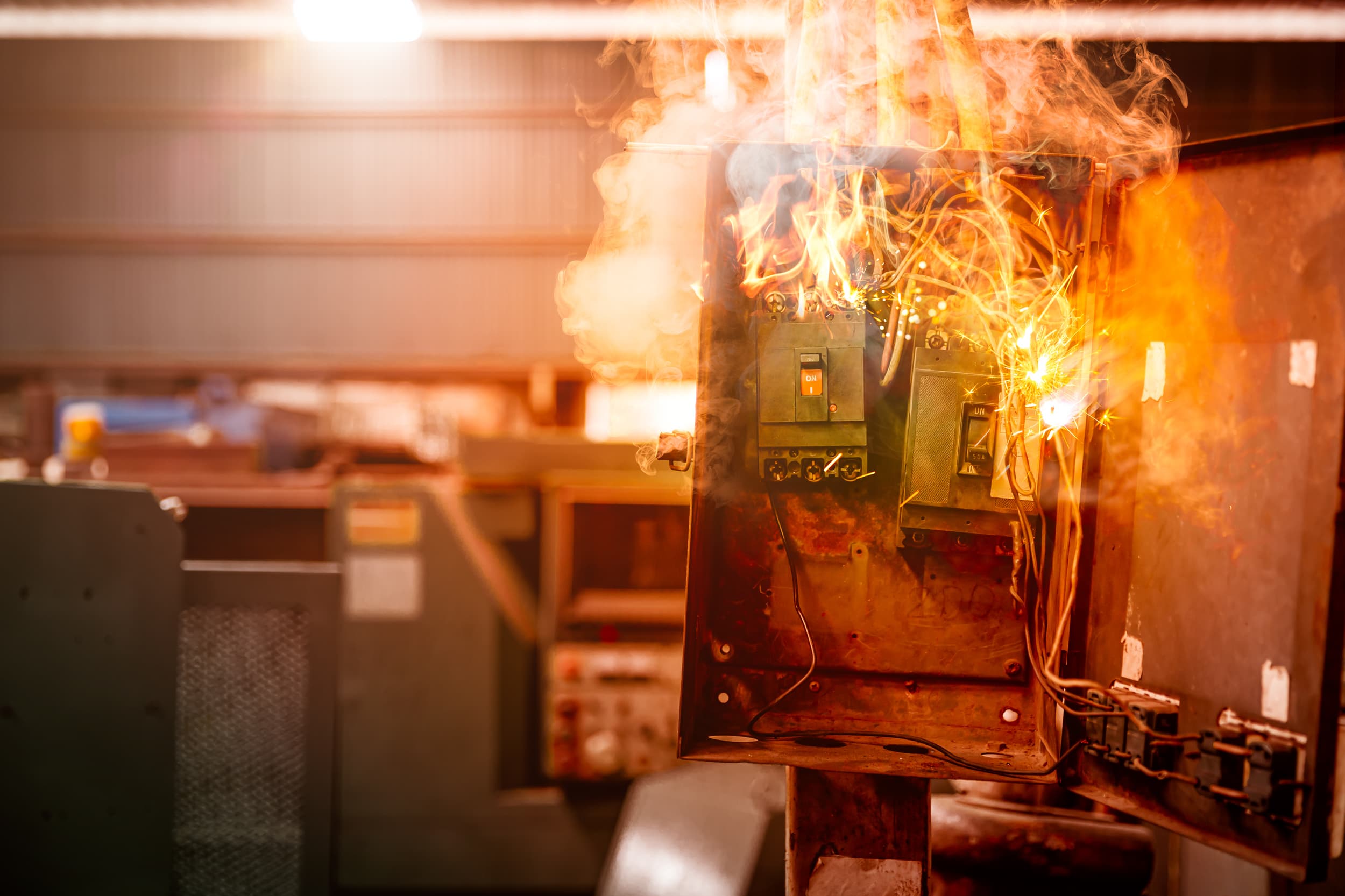
NFPA 70E (2024): Standard for Electrical Safety in the Workplace
This course presents an overview of measures to reduce hazards presented by arc flash events. It will cover basic electrical concepts, circumstances that can present the risk of arc flashes...
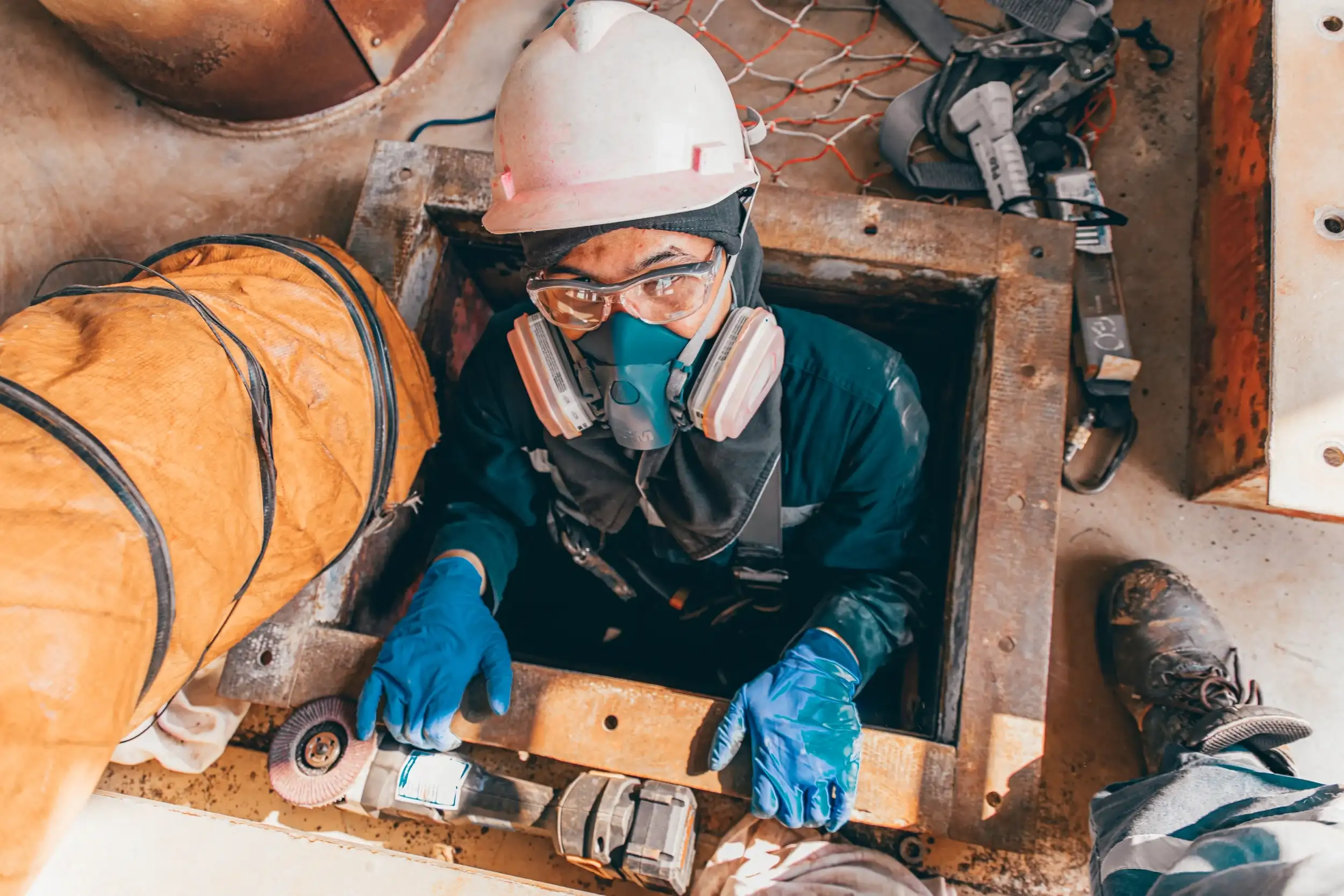
Confined Space Training Online | OSHA-Aligned
Meet OSHA safety standards with our confined space training. Learn regulations for entrants, attendants & supervisors. Enroll now!
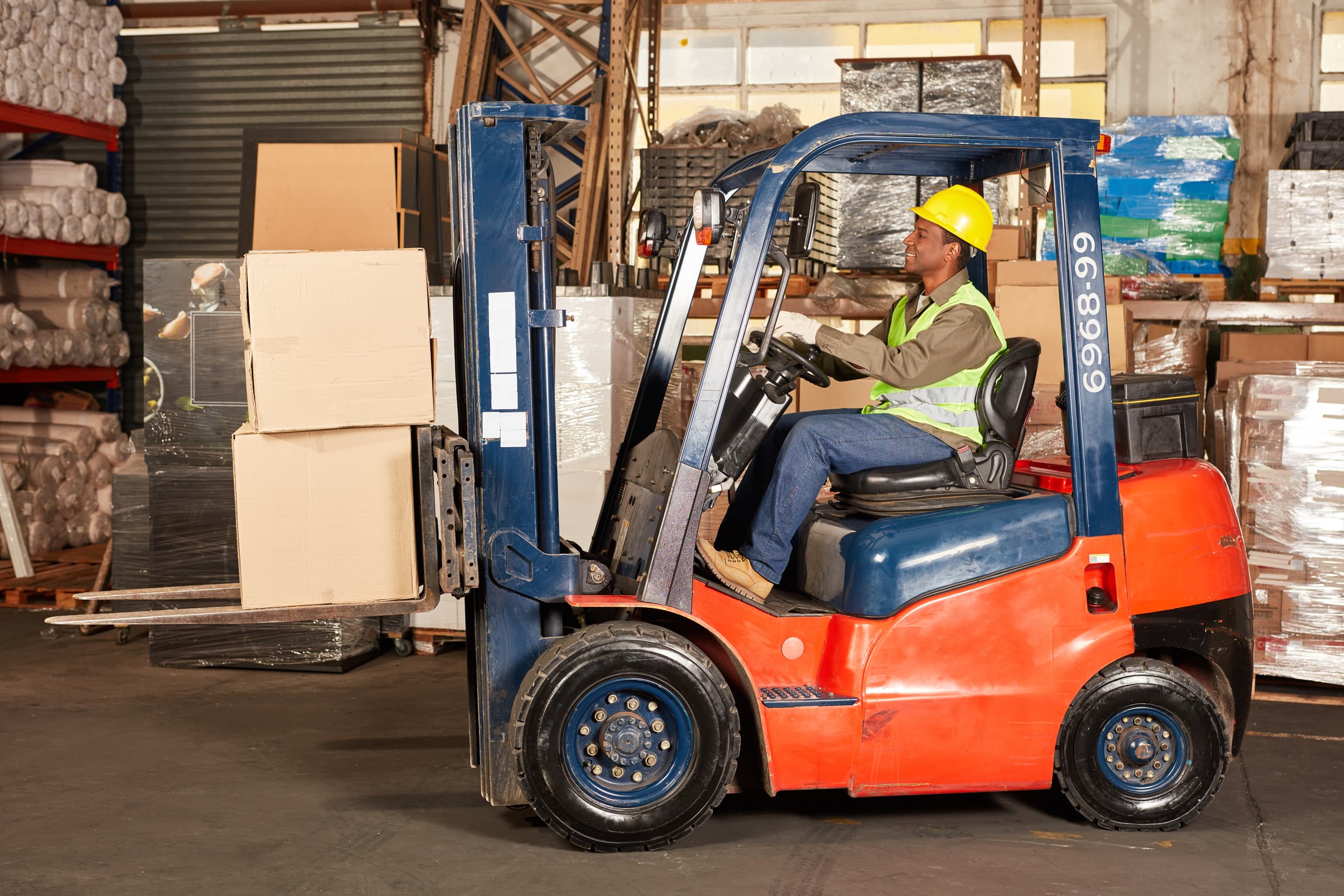
Sit Down Forklift Online Safety Training
This course will familiarize you with the regulations, responsibilities, and best practices as outlined in the CFR1910.178(a) requirements for forklift operators and forklift maintenance.