BUSINESS ACCOUNTS
OSHA 10 Hour Construction Training with Free Study Guide
This course is offered by 360training®, an OSHA-authorized Online Outreach Provider. Compliance Training Online™ is a division of 360training®.
The OSHA 10-Hour Construction course is a 10-hour online safety training program designed specifically for entry-level construction workers. In this course, you'll learn to identify and respond to key hazards such as falls from heights, electrocution, struck-by incidents, and caught-in/between dangers. Upon finishing the course, you will receive a course completion card from the U.S. Department of Labor (DOL). This training empowers construction workers by clarifying their rights and responsibilities, while offering practical strategies to prevent accidents and injuries on the jobsite, ultimately fostering a safer and more productive work environment.
This course is offered by 360training, an OSHA-authorized Online Outreach Provider. Compliance Training Online™ is a division of 360training.
OSHA 10-Hour Construction Training is intended for entry-level workers on construction sites—including laborers, carpenters, electricians, roofers, and other on-site personnel. This training promotes jobsite safety and informs workers of their safety rights, with employers required to provide essential safety education.

Governing Regulations
Workplace safety and health in the construction industry are regulated by the Occupational Safety and Health Administration (OSHA). OSHA is a U.S. federal agency dedicated to ensuring safe and healthful working conditions by setting and enforcing standards, as well as providing training, outreach, education, and assistance. These regulations are designed to protect workers from hazards such as falls from heights, electrocution, caught-in/between incidents, and struck-by hazards.
The United States Code of Federal Regulations (CFR) compiles the rules and regulations of the U.S. government, including those enforced by OSHA. OSHA’s regulations for construction are primarily found in Title 29 of the CFR, Part 1926, which is divided into various subparts addressing specific safety and health topics.
Key governing regulations for construction include:
- 29 CFR Part 1926 – Construction Safety Standards
- Fall Protection (Subpart M) – For working at heights
- Electrical Safety & Hazard Communication – Requirements for identifying electrical hazards and ensuring proper labeling, training, and protective measures to prevent workplace injuries
- Personal Protective Equipment (PPE) Guidelines – Guidelines for selecting and using appropriate PPE to protect workers
What You'll Learn
Topics Covered
- Introduction to OSHA
- OSHA Focus Four Hazards
- Personal Protective Equipment
- Health Hazards in Construction
- Stairways and Ladders
- Cranes, Derricks, Hoists, Elevators and Conveyors
- Excavations
- Materials Handling, Use and Disposal
- Scaffolds
- Tools ‐ Hand and Power
Learning Objectives
By the end of this course, you will be able to:
- Given OSHA historical events and current information, the student will be able to explain the importance of OSHA in providing a safe and healthful workplace to workers covered by OSHA.
- Locate OSHA Standards references applicable to specific hazardous conditions and practices (Introduction to OSHA Standards)
- Recognize the aspects of 1926 Subpart C (General Safety and Health Provisions)
- Implement preventative measures for accidents in their workplace (Subpart D - Occupational health and Environmental Controls)
- Describe types of personal protective equipment (PPE), and the requirements for use in OSHA standards (Subpart E - Personal Protective Equipment)
- Understand the requirements for fire protection in the workplace (Subpart F - Fire Protection and Prevention)
- Identify types of rigging equipment used to protect employees (Subpart H - Rigging; Subpart N - Cranes and Rigging)
- Identify the critical health and safety hazards of welding and cutting in the construction industry (Subpart J - Welding and Cutting)
- Implement measures for protecting workers and equipment from dangerous falls (Subpart M - Fall Protection)
- Recognize the hazards associated with working in or around excavation sites (Subpart P - Excavations)
- Understand the safety requirements necessary to protect workers around concrete and masonry jobs (Subpart Q - Concrete and Masonry)
- Identify the precautions and hazards to protect workers using explosives or blasting agents (Subpart T - Demolition)
- Protect workers who perform jobs on or around stairways or ladders at worksites (Subpart X - Stairways and Ladders)
- List and describe the hazards and prevalence of confined spaces
- Identify common electrical hazards and related OSHA standards (Subpart K - Electrical Standards)
- Understand the importance of scaffolding for workers in elevated workplaces (Subpart L - Scaffolding)
OSHA Outreach courses are provided in partnership with 360training.com, an OSHA-authorized Online Outreach Provider. For assistance or questions pertaining to OSHA 10 or OSHA 30 courses only, please use the information below.
Customer Support: 877-881-2235
Current Trainer: Jason Cole, OHST [email protected]
Most of our courses take about two (2) hours to complete. If a final exam is included, you should plan for an additional 30 minutes. Courses that require additional training time will clearly state that in the course title or description.
You’ll have unlimited access during your enrollment or access period. Most CTO courses must be completed within 90 days of purchase. OSHA-authorized Outreach Training provides up to 180 days to finish the course and required survey. Timeframes vary depending on the specific course and regulatory requirements. Please refer to our Terms & Conditions for more details.
Because our courses are self-paced, you can log in and out as needed and complete your training on a schedule that works best for you.
Your DOL card doesn't technically expire. However, since OSHA regulations are regularly updated, we recommend refreshing your training every 3 to 4 years. Your employer or local jurisdiction may also require more frequent retraining, so it's best to check their specific requirements.
NFPA 70E (2024): Standard for Electrical Safety in the Workplace
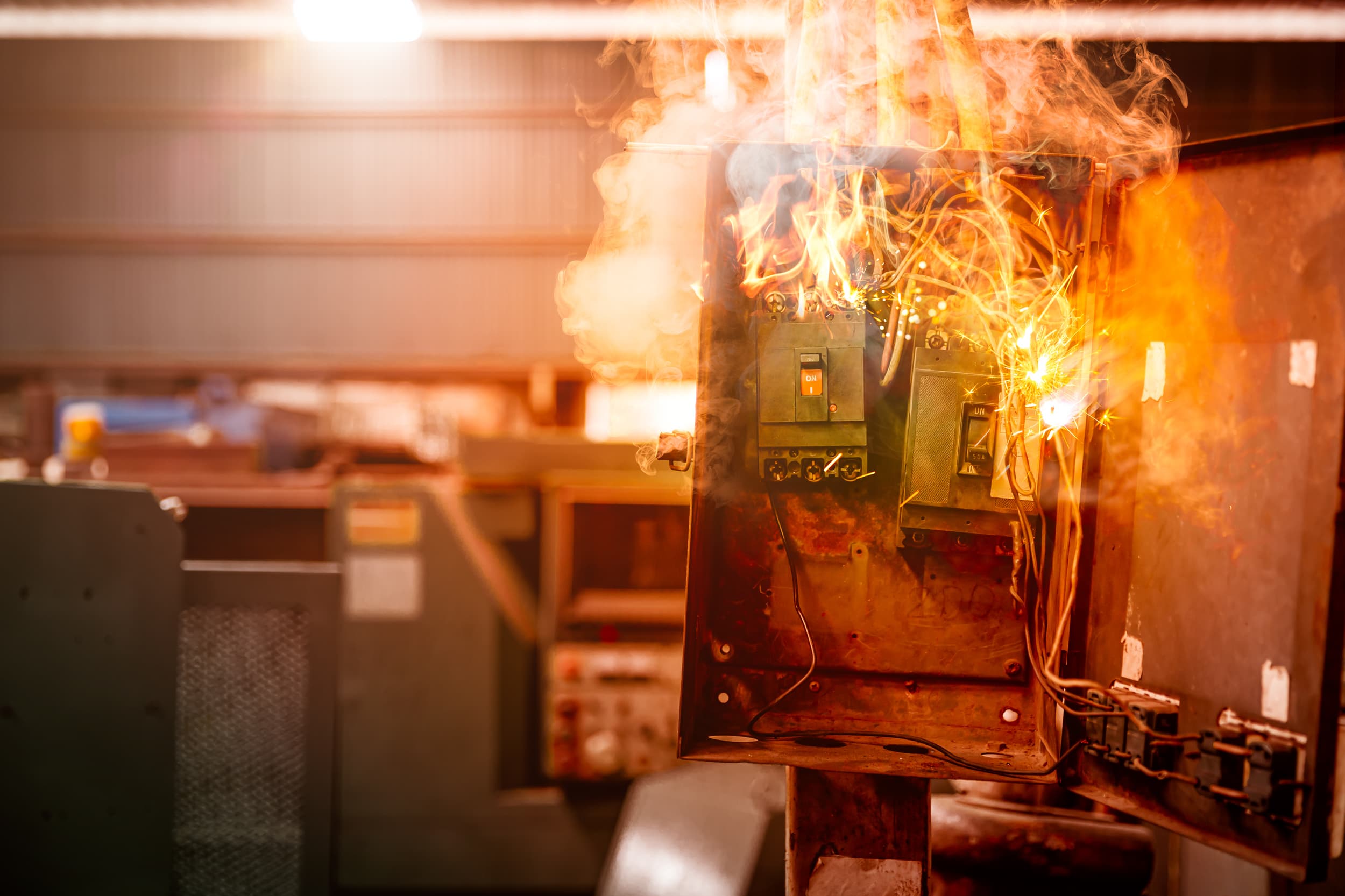
This course presents an overview of measures to reduce hazards presented by arc flash events. It will cover basic electrical concepts, circumstances that can present the risk of arc flashes...
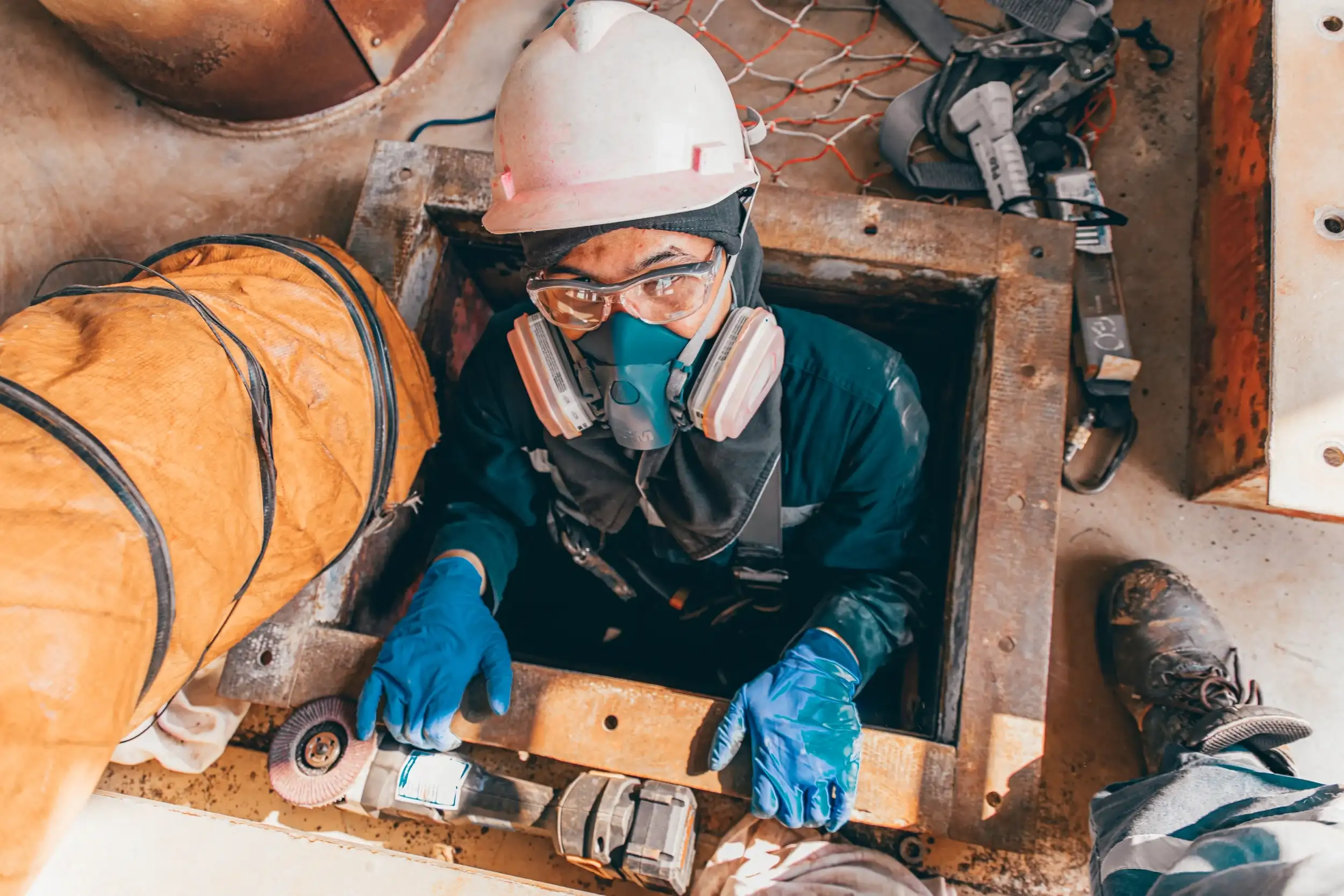
Confined Space Training Online | OSHA-Aligned
Meet OSHA safety standards with our confined space training. Learn regulations for entrants, attendants & supervisors. Enroll now!
Sit Down Forklift Online Safety Training
This course will familiarize you with the regulations, responsibilities, and best practices as outlined in the CFR1910.178(a) requirements for forklift operators and forklift maintenance.