CONTACT
MSHA Part 46 8-hour Surface Mining Refresher
Online Training Certification Course
From the highest rated and most trusted online training company - since 2008.
IMPORTANT * Before making a purchase be sure and read the GOVERNING REGULATIONS SECTION.
This course presents key components of mandatory annual refresher training for experienced surface miners in surface mines. As a result of completing this course successfully, you will understand common categories of miner injuries and deaths and how to prevent them, mandatory health and safety standards for surface miners, ground controls required in surface mines, machinery and equipment safety in surface mines, safety measures for working with electricity, explosives, and blasting in surface mines and proper materials handling and storage regulations for surface mines.You will also learn how miners must be protected from chemicals in the workplace as well as atmospheric hazards like dust and noise at surface mines. And lastly how to respond to emergencies at surface mines and your rights and responsibilities as a miner.
This course is for:
This course is for surface miners with at least one year of experience working in surface mines, meaning miners engaged in shell dredging or employed at sand, gravel, surface stone, surface clay, colloidal phosphate, surface limestone, marble, shale, kaolin, feldspar, granite, traprock, cement, lime, sandstone, and slate mines and operations.Training must also be available to office staff, delivery workers, customers, independent contractors, maintenance personnel and visitors of the mine site. MSHA surface refresher topics help miners identify and minimize exposure to hazards typically found at surface mines.
Case Study: In May 2018, a kiln system technician at a lime mine was igniting natural gas to pre-heat a rotary kiln. He used a standard road flare attached to the end of an angle iron rod to manually light the kiln while his supervisor adjusted the gas valve. The first attempt to light the kiln failed. During the second attempt, fire blew out of the kiln access door. The blowback inflicted severe burns on the technician, who was transported by helicopter to an emergency burn center. He died later the same day as a result of his injuries.
Key Takeaways: The accident occurred because the mine operator did not ensure that the natural gas was purged after the initial lighting failure; did not ensure the victim had been properly task trained in lighting kilns; did not provide proper personal protective equipment and clothing for lighting kilns; and did not have safe procedures in place for lighting the kiln.
Available languages: 100+ languages - translation provided by Google Translate (Select Language bottom of page)

Governing Regulations
Title 30 CFR 46.8 requires 8 hours of annual MSHA surface refresher training. Part 46 refresher topics must cover changes at the mine that could adversely affect the miner's health or safety. This online certification course, in addition to our other MSHA refresher online courses, can be used as part of your company's MSHA-approved training plan.
On-site surface mine employees must receive this training. Training must also be available to contractors and visitors who want it.
TO BE MSHA COMPLIANT YOUR COMPANY MUST HAVE A MSHA APPROVED TRAINING PLAN AS OUTLINED BY 30 CFR §46.4. YOUR COMPANY CAN USE THIS OR ANY OF OUR COURSES AS PART OF THAT PLAN.
YOUR MINE SITE OPERATOR MUST PROVIDE YOU WITH A COMPLETED 5000-23 FORM UPON COMPLETION OF ALL REQUIRED ASPECTS OF TRAINING AS OUTLINED BY 30 CFR §46.8 WHICH MAY INCLUDE THIS SAFETY TRAINING AS WELL AS SITE SPECIFIC HAZARD TRAINING.
IT IS YOUR MINE SITE OPERATOR'S RESPONSIBILITY to Record and certify that each miner has received training required under this part on 5000-23 FORM, or on a form that contains the information listed in paragraph (b) of 30 CFR §46.9. The person signing the form is generally the mine operator, a person acting on behalf of the operator, or company safety official or instructor. Read more about how to complete the MSHA Form 5000-23 here.
For more information regarding what a MSHA training plan is and how our training can be implemented into your plan please reference 30 CFR §46.4.
If you are a mine owner or independent contractor and unsure how to write a training plan our “Making a Part 46 Training Plan” Instructional Course is available as a step-by-step guide. Part 46 Surface Mining Training Plan course.
What You'll Learn
Introduction to the MSHA Part 46 Annual Refresher Training Course
- Overview of Surface Mining Hazards
- Are You Taking the Correct Course?
- Key Terms
- Surface Mining Injury and Death Statistics
Mandatory Health and Safety Standards
- Importance of PPE
- Types of PPE
- Safety Procedures (56 Q)
- Examination of Working Places
- Additional Safety Procedures
Transportation Controls (56 H, I, J, R, S)
- Traffic Safety
- Transportation of People and Materials
- Loading, Hauling, and Unloading of Equipment or Supplies
- Roadway Berms and Guardrails
- Overtravel and Runaway Prevention
- Truck Spotters
- Working Around Drawholes
- Aerial Tramways (56 I)
- Travelways (56 J)
- Travelway Ladders
- Personnel Hoisting (56 R)
- Wire Hoist Rope Inspections
- Wire Hoist Rope Retirement Criteria
- Wire Rope End Attachment
- Wire Rope: End Attachment Retermination
- Conveyances
- Hoist Operators
- Hoisting Procedures
- Hoisting Procedures (continued)
- Hoist Buckets
- Hoist Signals
- Shafts
- Shaft Work
- Hoist and Shaft Inspection and Maintenance
Ground Control (56 B)
- Scaling and Support
- Rock Fixtures
- Fixture Testing
- Ground Control Precautions
Machinery and Equipment (56 M)
- Defects of Machinery and Equipment
- Brakes
- Operator's Stations
- Tire Repairs
- Procedures During Repairs or Maintenance
- Moving Machine Parts
- Unguarded Conveyors with Adjacent Travelways
- Flying or Falling Materials
- Construction and Maintenance of Guards
- Stationary Grinding Machines
- Roll-Over Protective Structures (ROPS)
- Horns and Backup Alarms
- Warnings Prior to Starting or Moving Equipment
- Lubrication, Cleaning, and Belt Dressing
- Securing Movable Parts
- Parking Procedures for Unattended Equipment
- Warning Devices
- Safety Procedures for Towing
- Blocking Equipment in a Raised Position
- Ventilation and Shielding for Welding
- Trains
Electrical Hazards (56 K)
- General Electrical Safety Guidelines
- Circuits, Controls, Switches, and Conductors
- Distribution Boxes, Junction Boxes, and Bare Signal Wires
- Insulation, Isolation, and Guarding of Wires and Cables
- Power Cables
- Trailing Cables
- Lock Out and Tag Out
- Grounding
- Lights, Lamps, and Fuses
- Power Lines, Power Poles, Trolley Wires, and Transformers
Explosive Hazards (56 E)
- Storage of Explosives
- Explosive Material Storage Facilities
- Magazine Requirements
- Powder Chests
- Transportation of Explosives
- Vehicles Containing Explosive Material
- Explosive Material in Hoists
- Use of Explosives by Specially Trained Personnel
- Primers
- Loading, Blasting, and Security
- Misfires
- Electric Blasting
- Non-Electric Blasting
- Non-Electric Initiation Systems
- Safety Fuse
- Loading Practices
- Static Electricity Dissipation During Loading
- Air Gap
- Maintenance
- Black Powder
- Excessive Temperatures
- Burning Explosive Material
- Drilling (56 F)
- Rotary Jet Piercing (56 F)
Materials Storage and Handling (56 O)
- Bins, Hoppers, Silos, Tanks, and Surge Piles
- Storage of Hazardous Materials
- Taglines, Hitches, Slings, and Suspended Loads
- Operator-Carrying Overhead Cranes
- Lift Trucks
Airborne Contaminants and Noise Exposure at Surface Mines (56 D)
- Control of Exposure to Airborne Contaminants
- Asbestos (57 S Misc.)
- Restricted Chemicals
- Occupational Noise Exposure
- Employer Responsibility to Protect Employees from Noise Exposure
Chemicals in the Workplace (HazCom) (30 CFR 47)
- HazCom Program Contents
- Labels and Other Forms of Warning
- HazCom Label Contents
- Label Alternatives
- Material Safety Data Sheets (MSDS)
- Availability of a Material Safety Data Sheet
- Hazardous Waste
Fire Prevention and Control (56)
- Fire Prohibitions and Precautions
- Electric Substations and Liquid Storage Facilities
- Firefighting Equipment
- Inspection of Firefighting Equipment
- Fire Hydrants
- Self-Propelled Mobile Equipment
- Firefighting Procedures/Alarms/Drills
- Flammable and Combustible Liquids and Gases
- Other Fire Hazards
- Fire Safety for Buildings
- Illumination of Surface Working Areas (56 P)
- Closure of Valves
Rights of Miners and Responsibilities of Mine Operators
- Overview of Your Rights Under the Act
- Your Responsibilities Under the Act
- Your Protection Against Discrimination Under the Act
- Types of Discriminatory Conduct
- Filing a Complaint
- Two Types of Complaints
- Your Rights to Request an Inspection or Report Hazardous Conditions
- Your Right to Be Represented or Participate in Inspections
- Your Rights Relating to New and Revised Standards or Regulations
- Toxic Substances and Hazardous Physical Agents and Equipment Studies
- Accident Investigations
- Smoking Prohibited
- Responsibilities for Supervisors or Other Responsible People
Summary
Additional Resources
Exam
Most courses expire ninety (90) days after you purchase them (the date you submit payment), unless the learning management system (LMS) and course itself indicate otherwise. This period varies based on the course and regulatory requirements. Please refer to our Terms of Use. for more details
You do have unlimited access during this time. Our self-paced design enables you to learn at your own pace, and you can log in and out as needed to fit your training around other commitments.
Miners must receive a minimum of 8 hours of annual refresher training. It must address health and safety subjects that are relevant to mining operations, as well as instructions on changes at the mine that could impact the miner's health or safety. Online training makes it easy to track and monitor annual refresher training, ensuring miners are following MSHA Part 46 regulations.
The refresher training must include instruction on changes at the mine that could adversely affect the miner's health or safety.
(1) No later than 12 months after the miner begins work at the mine, or no later than March 30, 2001, whichever is later; and
(2) Thereafter, no later than 12 months after the previous annual refresher training was completed.
(b) The refresher training must include instruction on changes at the mine that could adversely affect the miner's health or safety.
(c) Refresher training must also address other health and safety subjects that are relevant to mining operations at the mine. Recommended subjects include, but are not limited to: applicable health and safety requirements, including mandatory health and safety standards; information about the physical and health hazards of chemicals in the miner's work area, the protective measures a miner can take against these hazards, and the contents of the mine's HazCom program; transportation controls and communication systems; escape and emergency evacuation plans, firewarning and firefighting; ground conditions and control; traffic patterns and control; working in areas of highwalls; water hazards, pits, and spoil banks; illumination and night work; first aid; electrical hazards; prevention of accidents; health; explosives; and respiratory devices. Training is also recommended on the hazards associated with the equipment that has accounted for the most fatalities and serious injuries at the mines covered by this rule, including: mobile equipment (haulage and service trucks, front-end loaders and tractors); conveyor systems; cranes; crushers; excavators; and dredges. Other recommended subjects include: maintenance and repair (use of hand tools and welding equipment); material handling; fall prevention and protection; and working around moving objects (machine guarding).
Making a MSHA Part 46 Training Plan
MSHA has a minimum set of requirements that a training plan must incorporate to be considered an "approved plan." In this course you will be guided through each...

Miners' Rights and Responsibilities
This online course is designed to help miners understand their rights and responsibilities under the Mine Act. As a condition of the Mine Act, MSHA is...
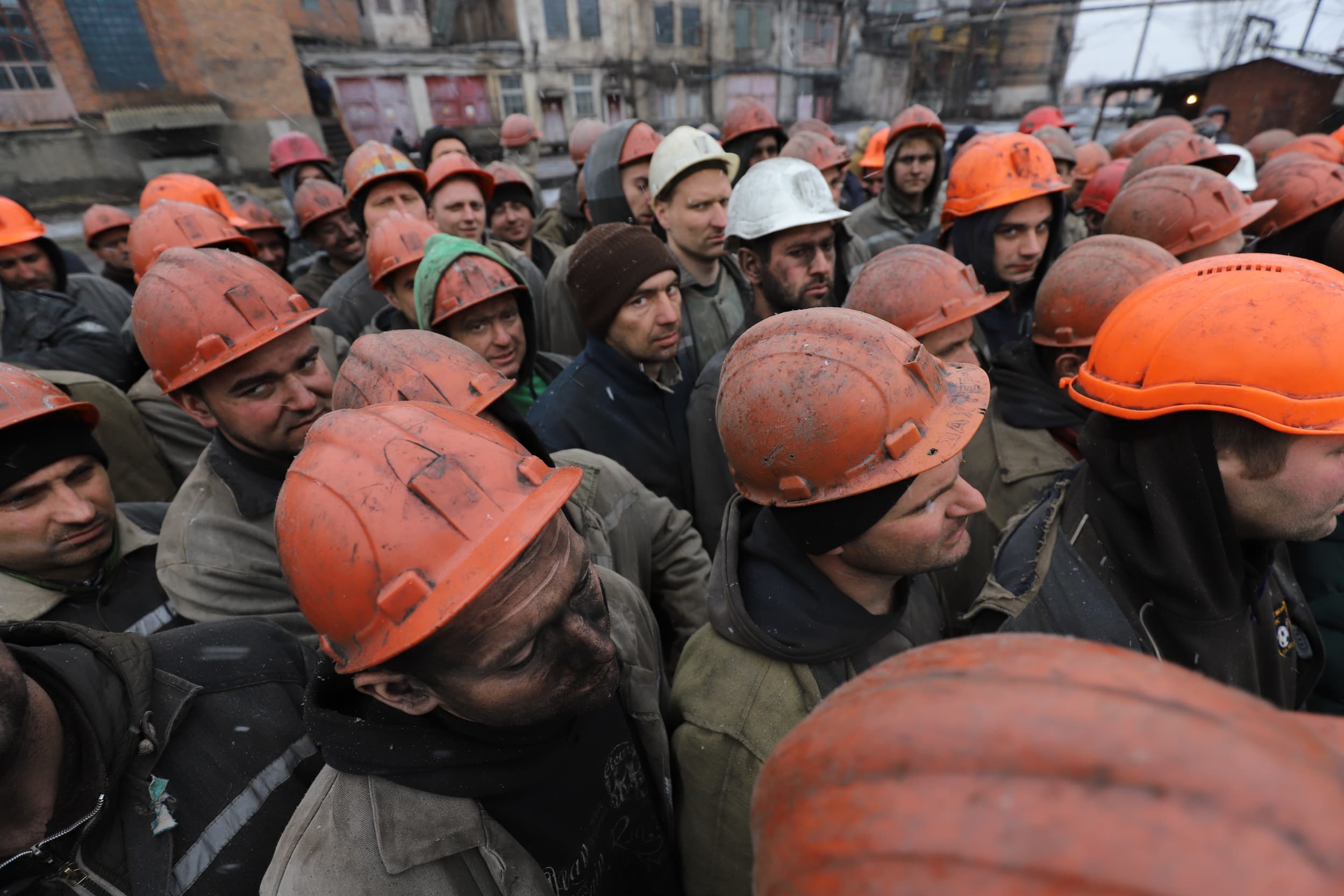
Miners' Rights and Responsibilities
This online course is designed to help miners understand their rights and responsibilities under the Mine Act. As a condition of the Mine Act, MSHA is...