BUSINESS ACCOUNTS
PPE Training Online
Online Training Certificate Course
29 CFR 1910.132-138
From the highest rated and most trusted online training company - since 2008.
This course is offered in partnership with Hard Hat Training, a 360training® company.
This PPE online training certification course describes the relevant standards and general OSHA requirements for personal protective equipment. Important course topics include hazard assessment, hazard controls, and different types of PPE protection.
A personal protective equipment (PPE) program is a critical component of a safe and healthy workplace. Workplace hazards exist in many different forms, including sharp edges, falling objects, flying sparks, chemicals, noise, and numerous other potentially dangerous situations. Personal protective equipment training helps employers and employees understand the various types of PPE, what PPE is appropriate for specific circumstances, and the proper use and care of PPE.
This course is in partnership with Hard Hat Training. Hard Hat Training and Compliance Training Online™ are divisions of the 360training.
This course is for:
This OSHA PPE training is designed for anyone who uses, selects, maintains, or inspects PPE in the workplace. The Personal Protective Equipment Standard, OSHA 29 CFR 1910.132-138, applies to managers, supervisors, and employees within the general industry sector. This safety training may help prevent serious injury in the workplace and save lives.
Case Study: A 67-year-old woman was admitted to the hospital on May 24, 2003. The patient's mother had recently been admitted to the same hospital and died from pneumonia. Progressive respiratory failure later developed in the patient, and, on May 28, 2003, she suffered respiratory arrest. Medical staff attempted cardiopulmonary resuscitation. Three Intensive Care Unit (ICU) nurses (referred to here as Nurses 1 to 3) participated in the resuscitation, along with other personnel. The nurses were wearing PPE, including two gowns, two sets of gloves, goggles, and a full-face shield (except Nurses 1 and 2), shoe covers, hair cover, and NIOSH-approved N95 disposable respirators that were not fit-tested. Later, Nurse 1 complained of headache and nausea, and Nurse 2 reported difficulty breathing. Of the three nurses, Nurse 2 met the World Health Organization criteria for probable SARS.
Key Takeaway: This case study describes the apparent transmission of SARS from a patient to healthcare workers during an attempted resuscitation. The nurses were wearing N95 disposable respirators that were designed to protect them against the airborne transmission of respiratory aerosols, including SARS. However, in this case, the N95 disposable respirators used by the nurses were not fit-tested to ensure an adequate seal. The situation may have been prevented had the nurses been wearing properly-fitted respirators. Additionally, a respirator with a more powerful air-purification system, including a disposable full hood with a face shield that covered the healthcare worker's upper body, could have provided a higher level of protection against airborne infections.

Governing Regulations
The Occupational Safety and Health Act of 1970 created the Occupational Safety and Health Administration (OSHA). OSHA, an agency of the U.S. Department of Labor, is charged with the enforcement of safety and health conditions of workers through the use of regulations published in the Code of Federal Regulations. OSHA regulations are published in Title 29 of the Code of Federal Regulations. Part 1910 covers general industry regulations, while 1926 is designated for construction industry standards. This online certification course meets the requirements of OSHA personal protective equipment training.
What You'll Learn
What the relevant standards cover
Hazard controls
- Engineering/technological solutions
- Work practices and training
PPE overview
Types of protection
- Eyes/face
- Head
- Respiratory
- Hearing
- Hands/arms
- Body
- Legs/feet
- Special protection
General PPE information
Employee responsibilities
Summary
Additional Resources
Exam
Most of our courses take about two (2) hours to complete. If a final exam is included, you should plan for an additional 30 minutes. Courses that require additional training time will clearly state that in the course title or description.
You’ll have unlimited access during your enrollment or access period. Most CTO courses must be completed within 90 days of purchase. OSHA-authorized Outreach Training provides up to 180 days to finish the course and required survey. Timeframes vary depending on the specific course and regulatory requirements. Please refer to our Terms & Conditions for more details.
Because our courses are self-paced, you can log in and out as needed and complete your training on a schedule that works best for you.
Employers are responsible for training new personnel before assigning them to tasks that may expose them to workplace hazards not sufficiently protected by engineering or work practice controls, creating the need for personal protective equipment to minimize exposure.
To ensure compliance with the Personal Protective Equipment Standard, safety training must be conducted when changes in the workplace or types of PPE render previous training obsolete, as well as when the employer has reason to believe that any affected employee does not have the understanding or skill for the use of assigned PPE. This OSHA equipment training course meets these training requirements.
NFPA 70E (2024): Standard for Electrical Safety in the Workplace
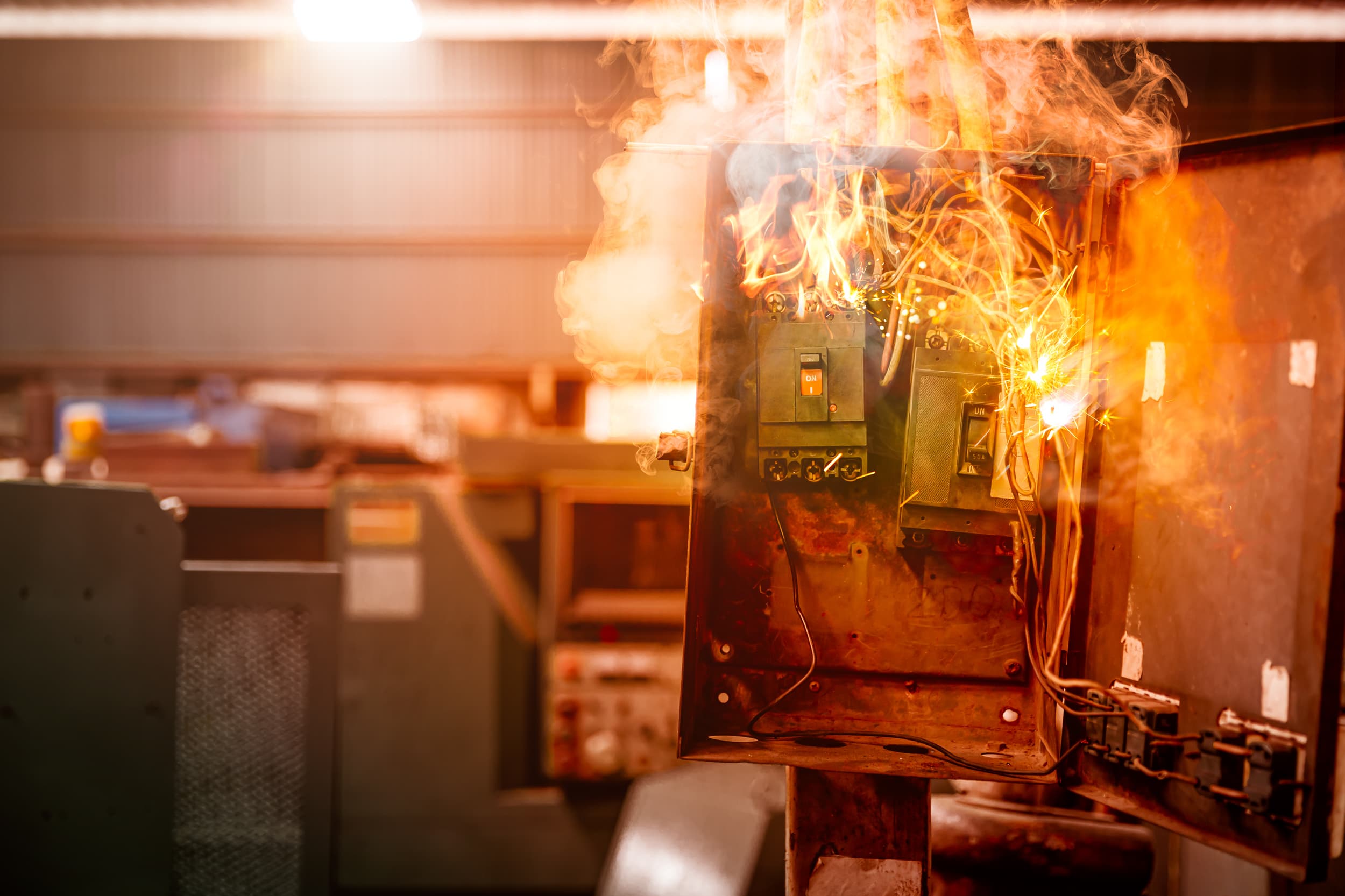
This course presents an overview of measures to reduce hazards presented by arc flash events. It will cover basic electrical concepts, circumstances that can present the risk of arc flashes...
Confined Space Training Online | OSHA-Aligned
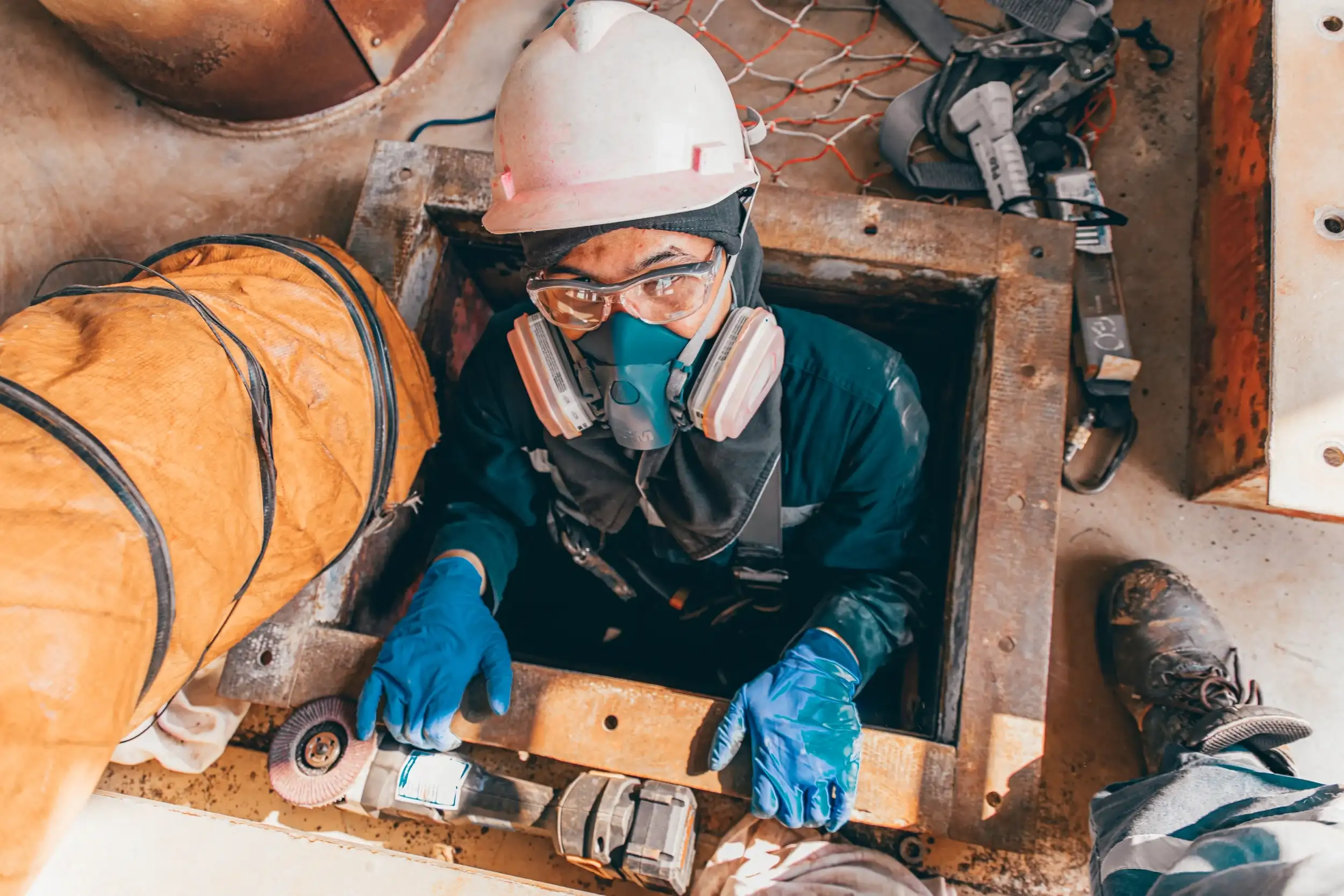
Meet OSHA safety standards with our confined space training. Learn regulations for entrants, attendants & supervisors. Enroll now!
Sit Down Forklift Online Safety Training
This course will familiarize you with the regulations, responsibilities, and best practices as outlined in the CFR1910.178(a) requirements for forklift operators and forklift maintenance.