BUSINESS ACCOUNTS
OSHA SHIPYARD/MARITIME ONLINE TRAINING CERTIFICATE COURSES
CTO offers online training for Cal/OSHA, DOT HAZMAT, EEOC, EPA, HIPAA, IATA, IMDG, MSHA, OSHA, Canada OHS, and TDG. With engaging audio and video content, our courses ensure high retention and efficient learning. Upon completion, students can instantly print their certificates and wallet cards.
Workers in the maritime industry face a higher risk of injury, illness, and death than other industries. Maritime employment includes shipyards, fishing, commercial diving, and marine transportation, among others. OSHA maritime training online addresses hazards that are unique to maritime industries. Our selection of online certification courses focuses on topics relevant to the maritime and shipyard industry, from chemical hazards to toxic substances, cold/heat stress, silica exposure, and more.
Numerous OSHA regulations and safety guidelines apply to maritime and shipyard work. Maritime safety certification helps workers stay safe when working on, near, and around water. Bodily injuries, including drowning and hypothermia, are always a threat to employees working at a shipyard or aboard a vessel.
Maritime safety training online educates workers about challenges and hazards unique to working on the water or at shipyards, such as working within confined spaces, severe weather, extreme working conditions, and exposure to chemical hazards and toxic substances. OSHA shipyard training online ensures that workers are aware of the laws and safety measures designed to protect them.
Inadequate training can lead to serious injuries or fatalities on the worksite. Legislative acts, including general maritime law, require employers to properly train workers. Shipyard safety certification courses help maritime workers maintain a safe working environment.
Shipyard safety training online is a convenient way for maritime workers to be familiar with safety guidelines and OSHA regulations for shipyard work. Online training allows students to work at their own pace, accommodating the erratic time schedules of the maritime industry.
OCCUPATIONAL SAFETY HEALTH ADMINISTRATION

SHIPYARD/MARITIME INDUSTRY TRAINING ONLINE TRAINING COURSES
Maritime Fall Protection Online Training
Slips, trips, and falls have been the leading potential hazard of shipyard workers. This online training course details the applicable standards and regulations for a fall protection training program, including...

Maritime Fire Safety Online Training
This course is designed to assist both employers and employees to achieve compliance with OSHA standards regarding fire safety in shipyards. Fire prevention and fire protection are critical elements of a safe workplace....
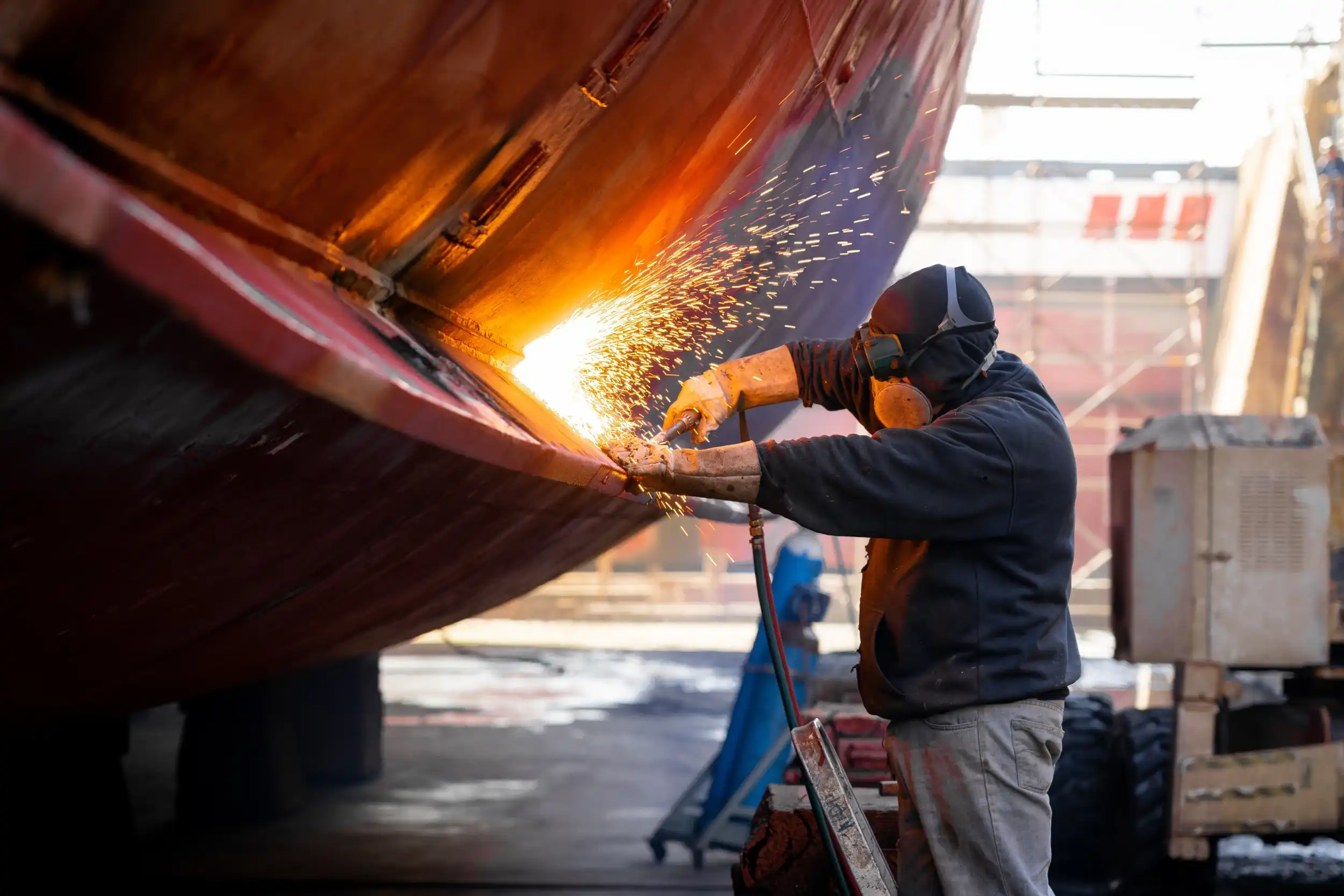
Maritime Walking and Working Surfaces Online Training
Slips, trips, and falls from both walking and working surfaces on vessels are among the leading causes of severe injuries and...
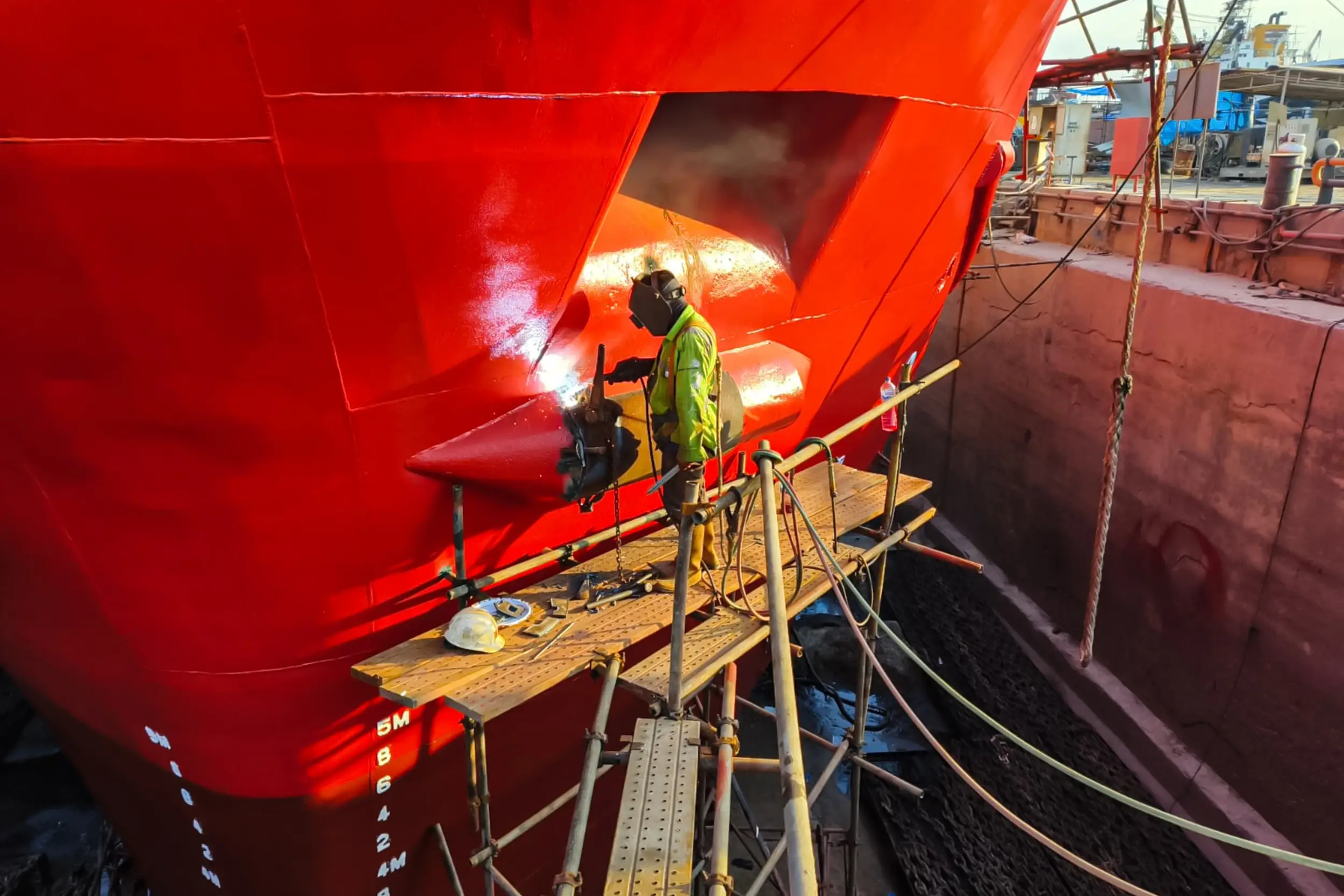
Chemical Hazards & Toxic Substances (Shipyard)
This online course presents an overview of chemical hazards and toxic substances that are commonly used in the maritime and shipyard industry. The course will cover...
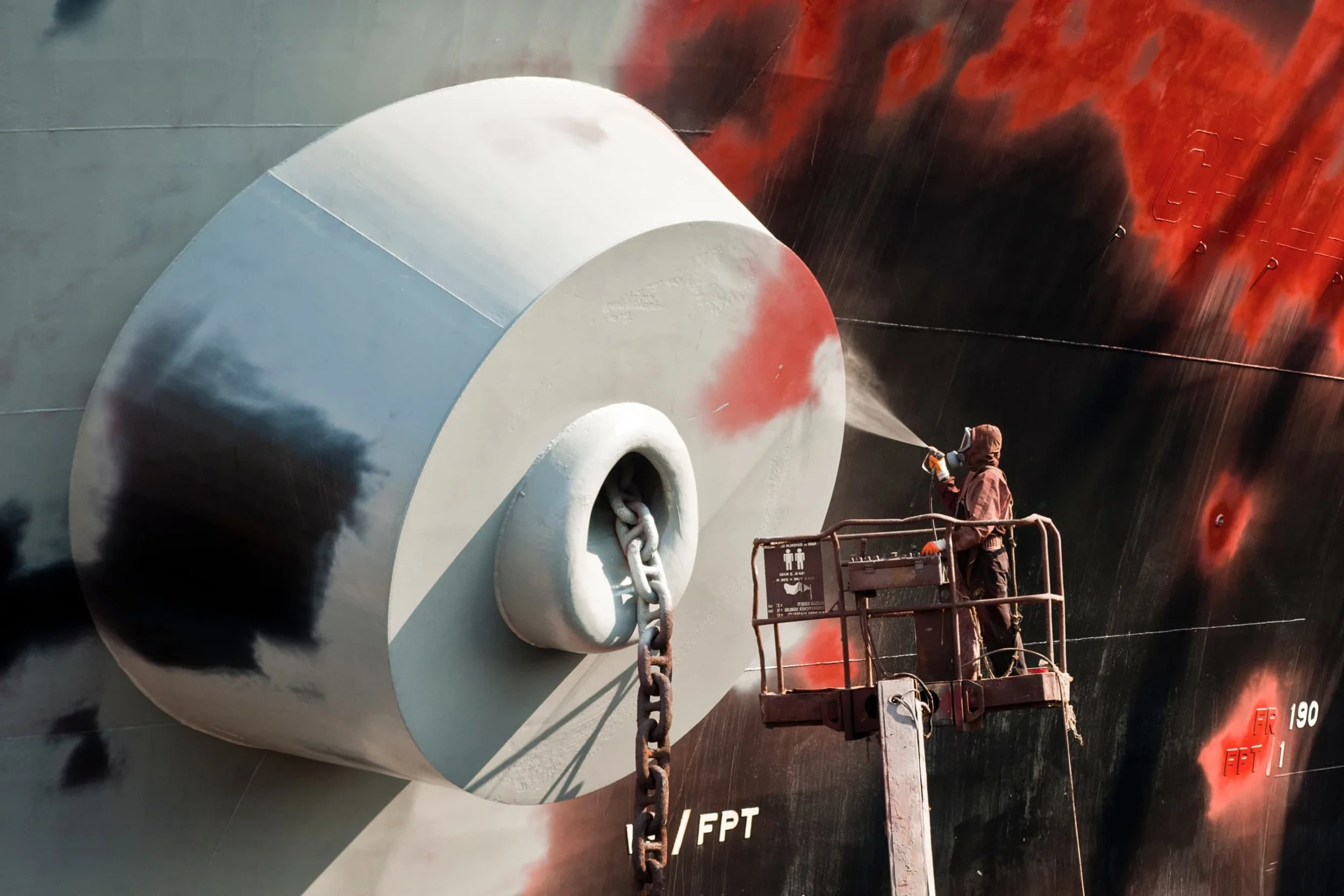
Shipyard Confined Spaces
Many shipyards feature a wide variety of confined and enclosed spaces, which are some of the most dangerous work environments. These spaces can contain hazardous atmospheric conditions, such as high or low oxygen content...

Shipyard Crane Safety
This course presents an overview of the types of cranes used in the maritime industry and the qualifications and duties of workers involved in rigging and hoisting operations. Working with and around cranes is inherently dangerous. Shipyard employees....

Ergonomics (Shipyard)
This course presents an overview of ergonomics hazards and solutions for employees who work in a shipyard work environment with tasks related to the building, repairing, and dismantling...

Shipyard Gear and Equipment
Our Shipyard Gear & Equipment course is an online safety training program designed for shipyard workers responsible for the construction, repair, and dismantling of vessels, as well as the loading and unloading of cargo.
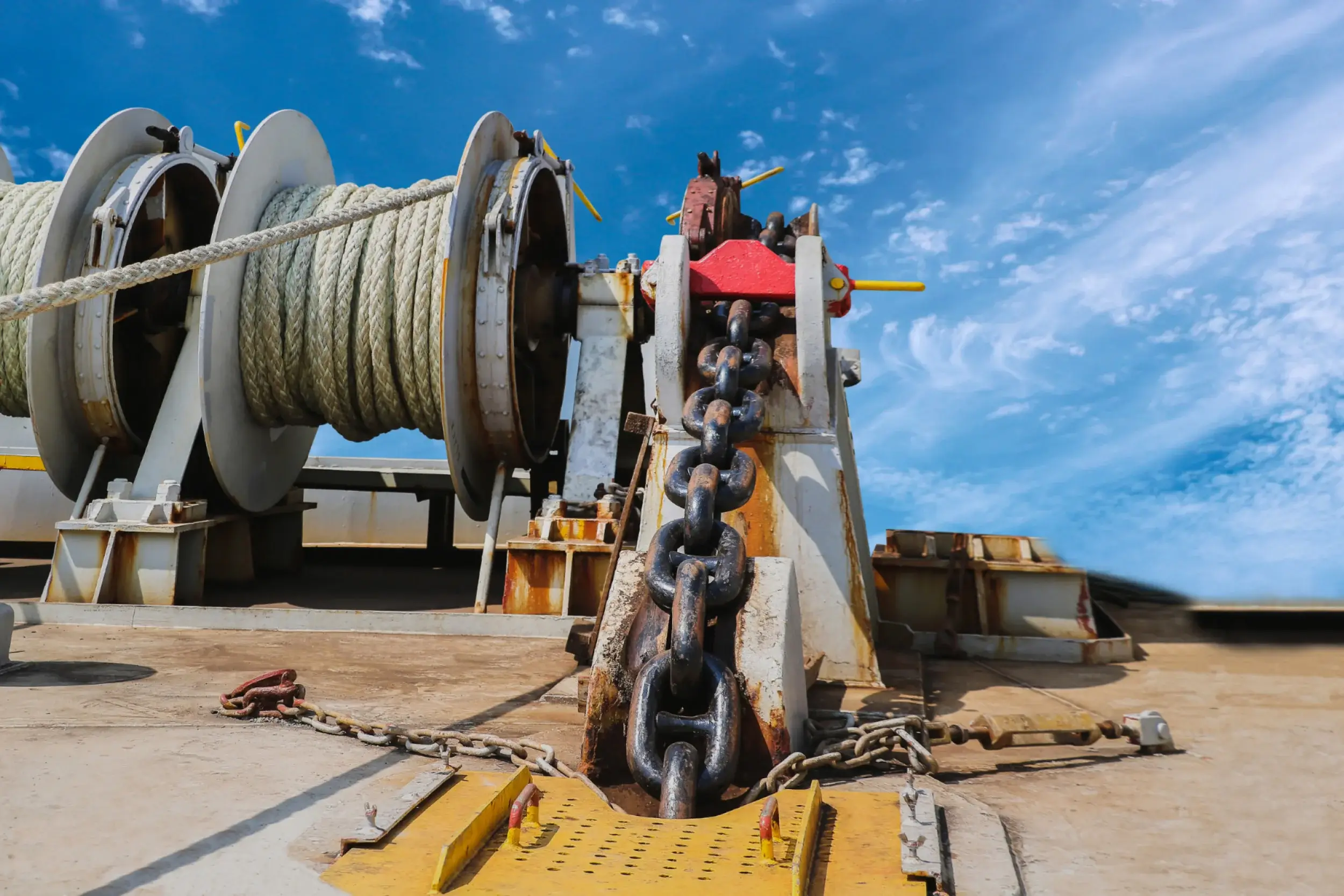
Hazard Communication (Shipyard)
This course presents an overview of the hazard communication (HAZCOM) standards and regulations set forth by OSHA that shipyard workers must adhere to when using, handling...
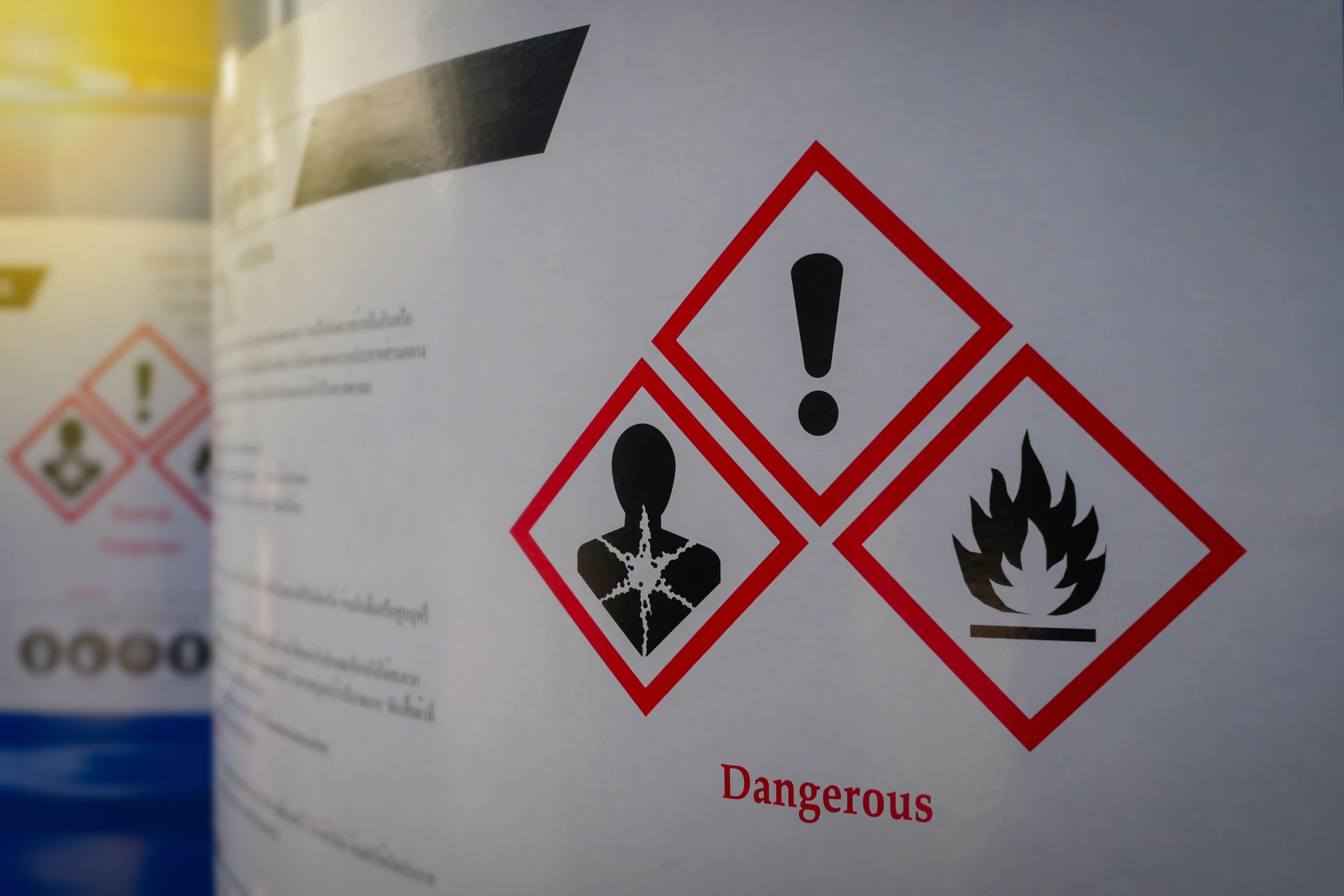
Hazardous Substances (Shipyard)
This course presents an overview of toxic and hazardous substances found in shipyards. This includes principles of hazard awareness, hazard communication protocols...
Hot Work (Shipyard)
This online course presents an overview of safe work practices when performing hot work in a shipyard/maritime environment. The course will cover the responsibilities of both employers...

Shipyard Lockout Tagout
This course presents an overview of the lockout and tagout procedures used to protect employees from hazardous energy sources encountered when servicing machinery, equipment, and systems in shipyards....
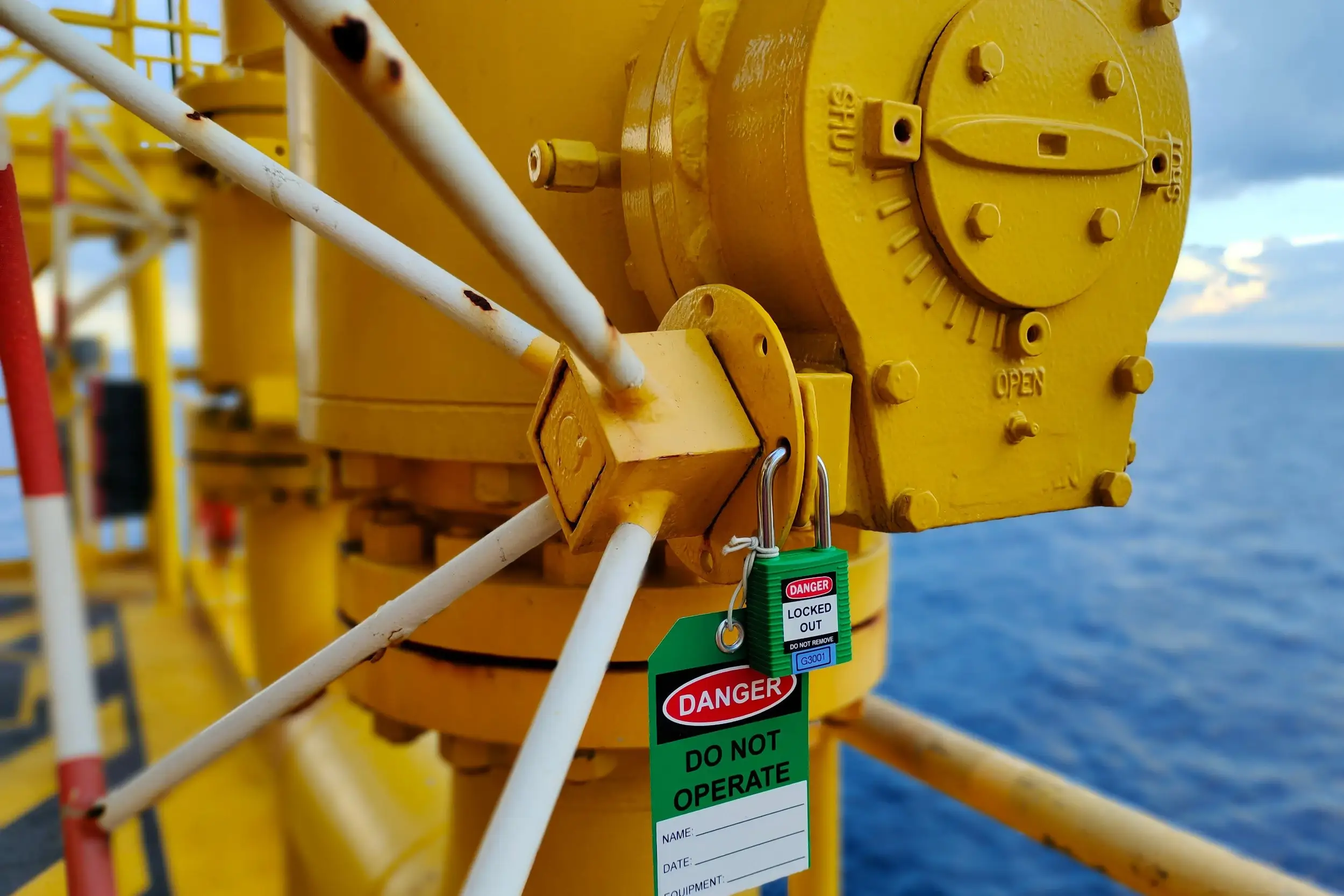
Shipyard Machinery and Piping Systems Safety
This course presents an overview of the safety and health precautions, procedures, and regulations that should be followed when servicing the machinery and piping systems of...
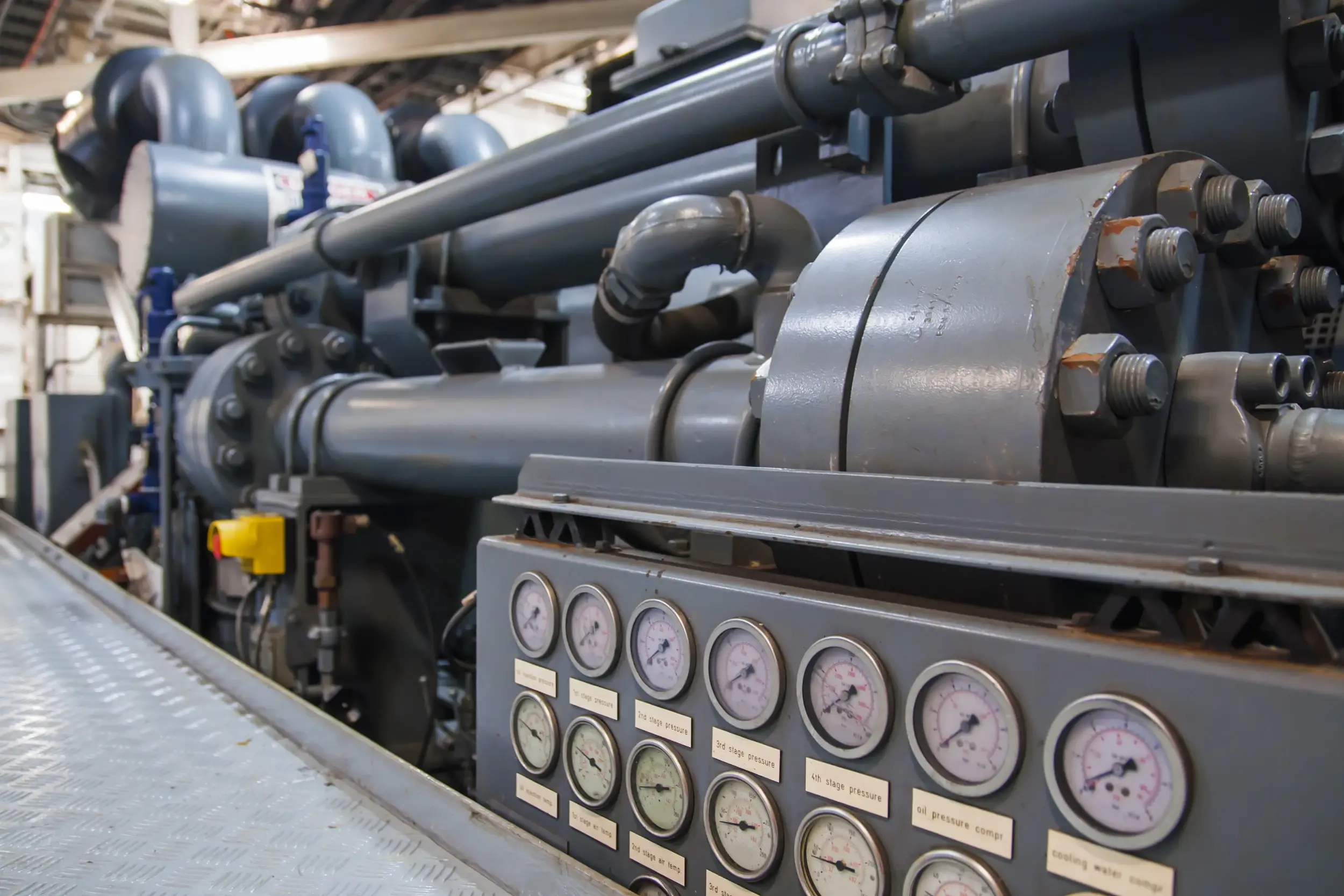
Shipyard Marine Terminal Operations
Marine terminals are high traffic, dynamic environments that present a wide variety of hazards to workers. These hazards should be taken seriously, as they can lead to serious workplace injuries. By adhering to the safety regulations set forth by...

Personal Protective Equipment (Shipyard)
Shipyard worksites and specific job duties can expose workers to hazardous situations. Personal protective equipment (PPE) is an important.....

Respiratory Protection (Shipyard)
Shipyard workers are often expected to perform a wide variety of duties that often expose them to hazardous atmospheres. To lessen the risk of illness and injury, shipyard employers must implement administrative....
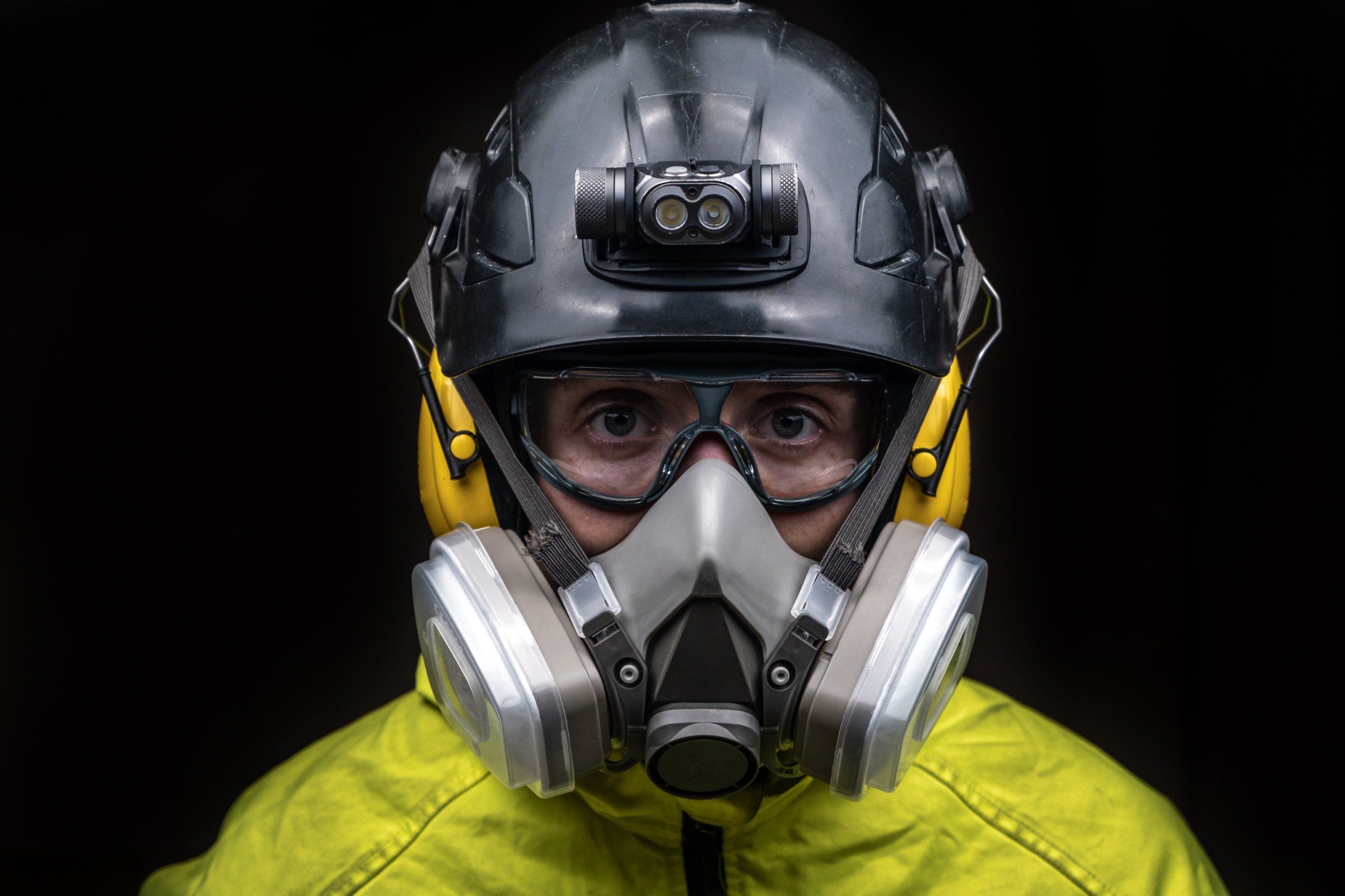
Shipyard Surface Preparation and Preservation
Shipyard workers that use toxic cleaning solvents, chemical removers, mechanical removers, and paints during the surface preparation and preservation...

Tools and Equipment (Shipyard)
When not used properly or poorly maintained, shipyard tools and equipment can be hazardous. Not having the right equipment available for the task at hand is one type of hazard. Taking shortcuts to save time and effort is another....